New Doors · Springwater
Commercial Rolling Door Repair
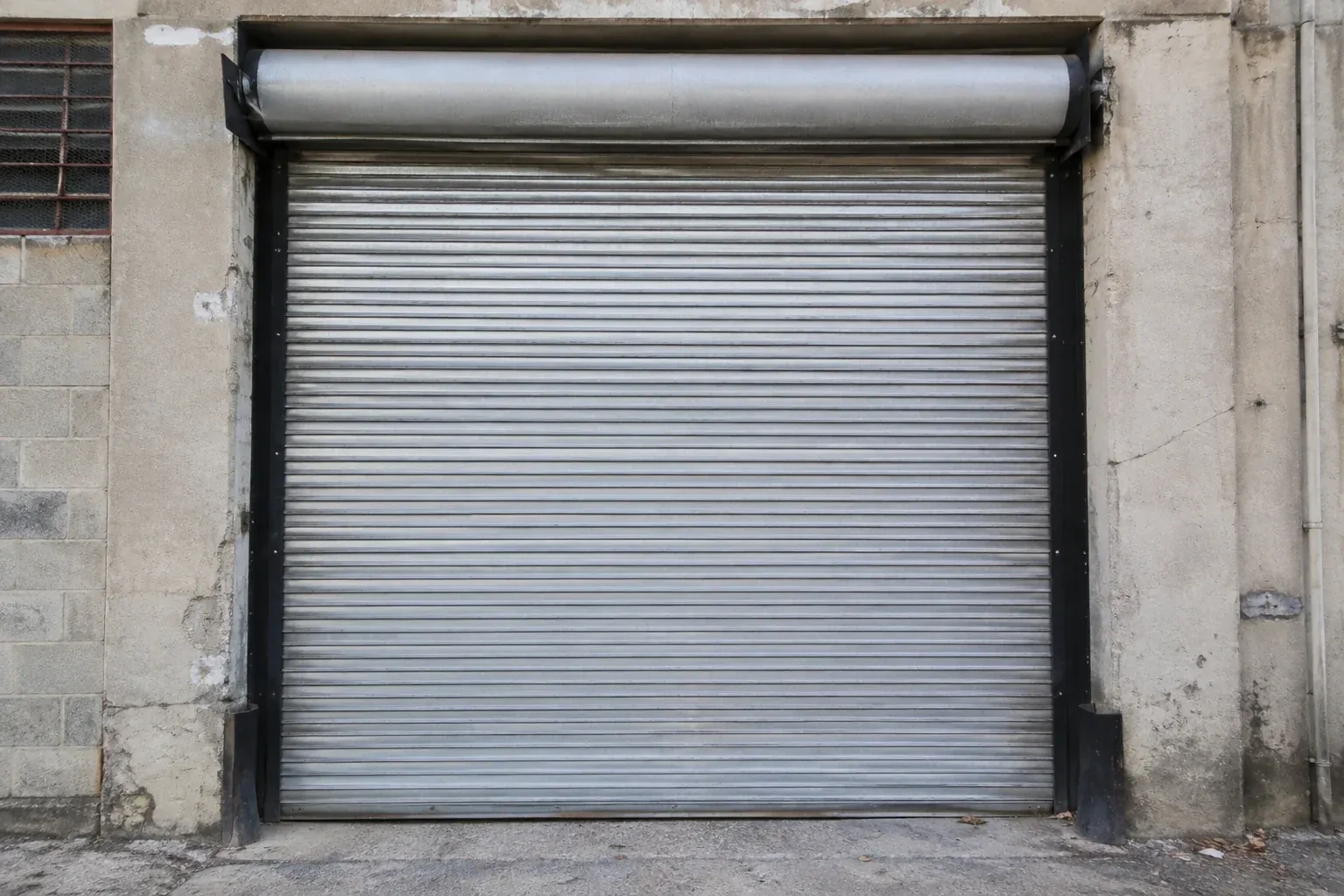
A metallic clatter now comes from inside the hood whenever the curtain coils.
In plain words
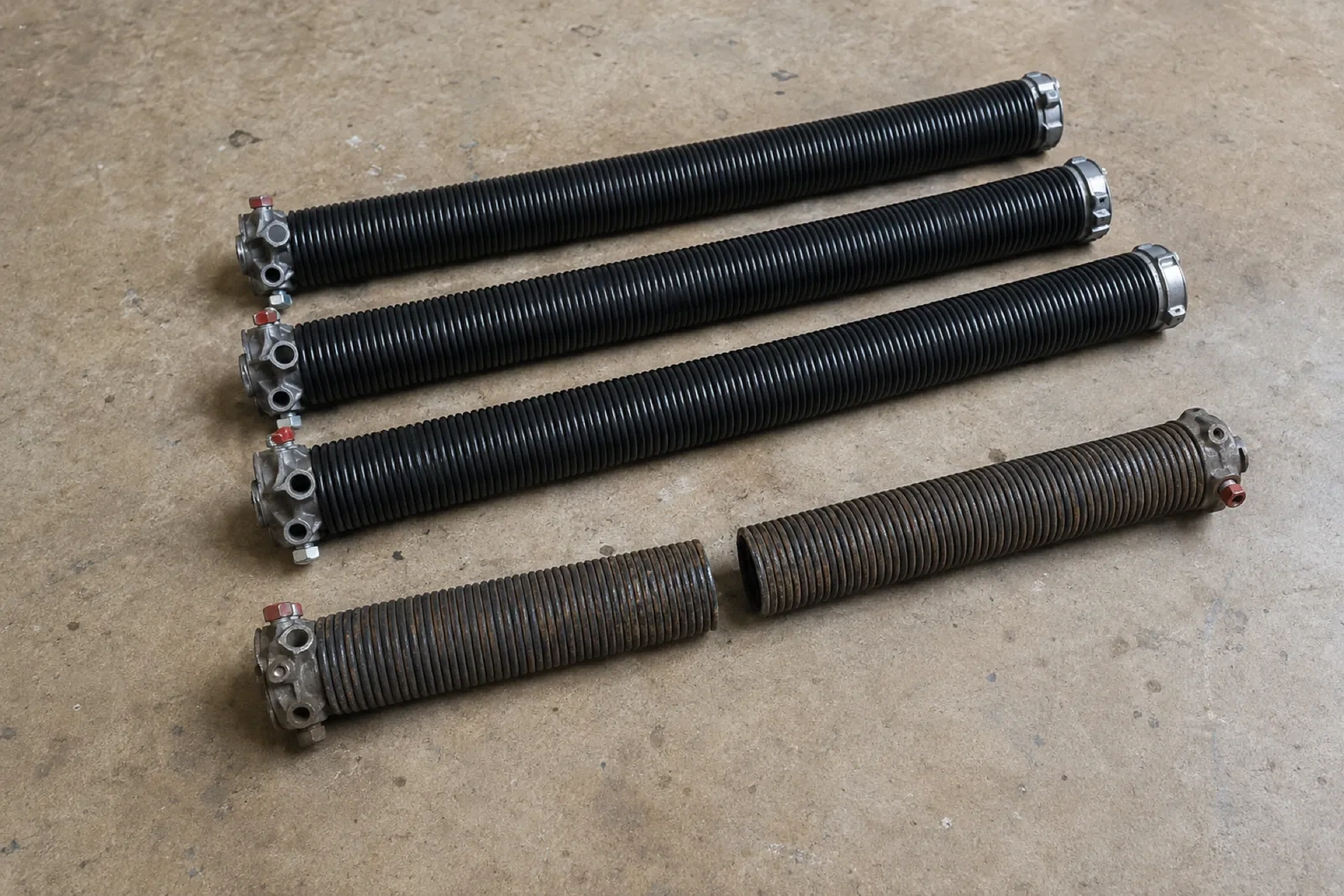
A rolling door that has become unusually heavy or starts to drift is asking for a counterbalance assessment. The barrel assembly commonly contains springs that offset curtain weight, and those parts hold substantial tension even while the door is stationary. The technician secures the curtain, examines brackets, bearings and drive components, then evaluates balance under controlled conditions. Adjustment uses purpose-made winding tools and the identified door instructions. Once the mechanical setting is correct, manual effort is checked across the full travel and any powered operator is tested without asking it to compensate for a poorly balanced door.
How the visit goesCold-weather moisture has frozen the bottom seal to the sill, and salty grit has collected along the guide entrances. The door chatters during its first cycle and leaves a visible gap after it reaches the closed limit.
Commercial Rolling Door Repair
How the visit goes
Assess barrel support and counterbalance
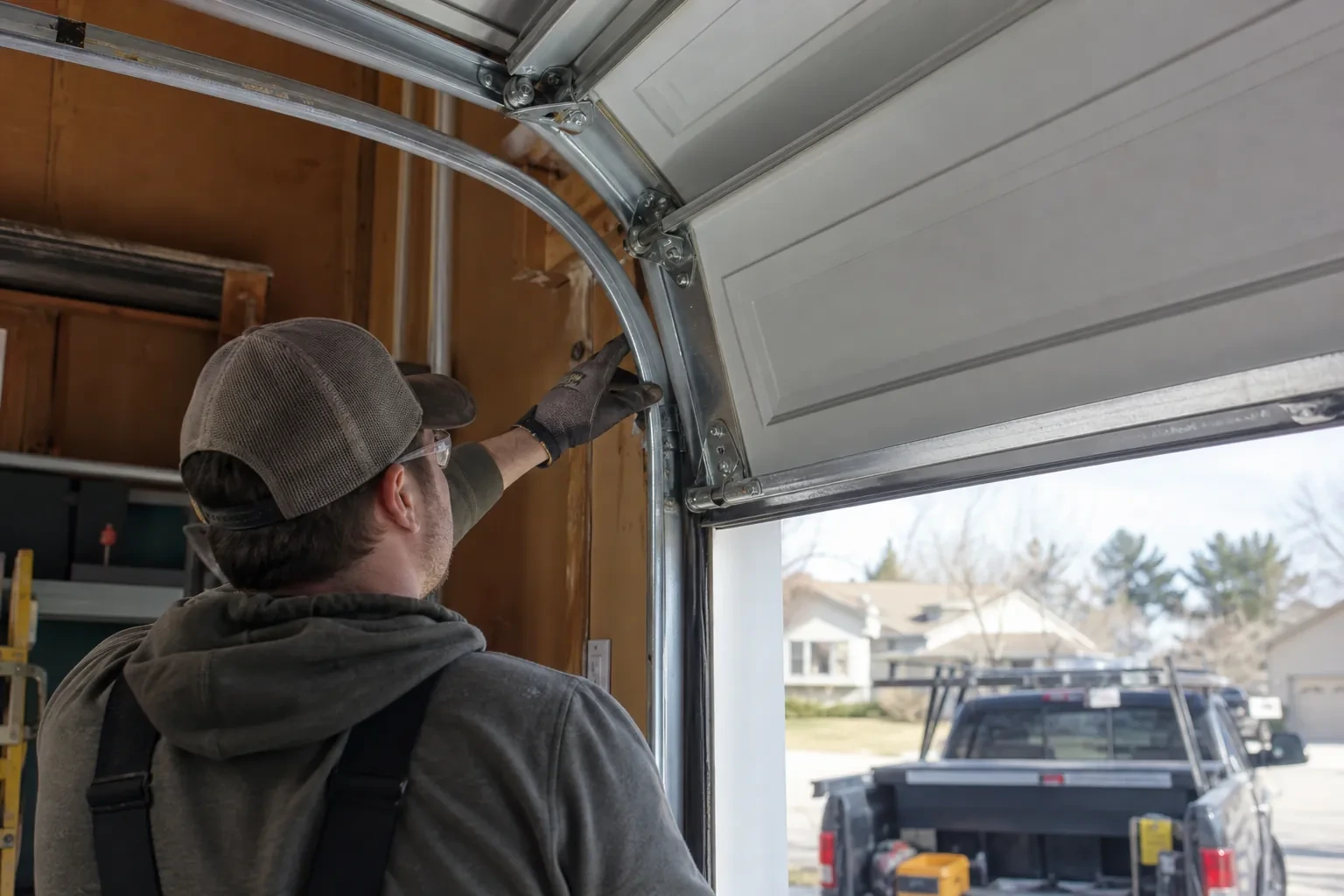
Above the opening, the barrel, headplate brackets, bearings and counterbalance carry the curtain and shape its operating effort. The technician looks for bracket movement, worn-bearing sounds, loose drive connections and signs that the curtain has walked sideways. Balance is evaluated only after the door is secured and the operating method is understood. A door that rises by itself, drops from a set position or feels heavy through part of its travel may need mechanical correction, while a consistent rough spot may trace to a bearing or distorted coil. This check keeps the operator from masking a mechanical load problem.
Set controls and protective response
Control and protection devices are returned to their documented roles. Photoelectric sensors are aligned and secured at the required position for the operator system, sensing edges are inspected for full-length response, and damaged cables or connectors included in the scope are renewed. Key stations, three-button controls and access inputs are checked without retaining private codes. During testing, an intentional beam obstruction or edge activation is introduced in a controlled manner to observe the operator's response. Vehicle-detection accessories are tested separately from entrapment-protection devices so each function is understood and recorded accurately.
A square close and usable lock
The closed door meets the sill evenly, which lets the bottom seal, slide bolts and keepers do their jobs without staff pulling the curtain sideways. Locks are demonstrated only after alignment and limits have been settled, and any operator interlock is included in that demonstration. The person responsible for closing can see the sequence: bring the door fully down, confirm contact across the threshold and engage the intended hardware. Keeping the sill clear of pallet wrap, ice and loose debris helps preserve that result, while a lock that begins missing its keeper becomes an early alignment clue rather than a nightly struggle.
Commercial Rolling Door Repair
In the van
Sensing edge and controls
Barrel and headplate brackets
Windlocks and curtain fasteners
Curtain slats and endlocks
Counterbalance spring assembly
Commercial Rolling Door Repair
What affects the quote
Guide and jamb condition
The quote reflects guide straightening or replacement, wall-angle fasteners and measured alignment. Moved masonry, steel framing or a struck jamb can add separately responsible building work.
Door construction and size
A coiling slat curtain, rolling sheet door, insulated assembly or labelled fire door uses different components and procedures. Opening width and height also shape curtain weight, access and handling equipment.
Curtain position when work begins
A curtain resting closed, stopped mid-travel or held near the hood presents a different securing and access plan. Its position affects how components can be reached and supported.
What to have ready
- Has manual effort, noise or travel changed gradually?
- What happens when staff use the normal control?
- Can both sides of the opening be cleared for work?
Commercial Rolling Door Repair: questions
QuestionsWill operations have to stop around the doorway?
The opening and its adjacent traffic area need to remain controlled during inspection, repair and test cycles. Facilities often route people, lift trucks and deliveries through another path while that work is active. Planning around shipping periods, stored goods and access to both faces of the door helps define a workable service window and equipment setup.
How is a rolling fire door repair different?
A labelled fire door is a closure in a fire separation, so labels, listed construction, compatible components, release hardware, clear closing path and required records shape the work. Routine operating repair and specialised fire-door inspection or release testing are defined explicitly. Substitutions are based on assembly information rather than appearance or approximate fit.
Why is there a grinding or clattering sound near the hood?
Noise at the head can come from worn barrel bearings, loose brackets, misaligned drive chain or sprockets, shifting slats, an uneven coil or hardware contacting the hood. The pattern matters: once per revolution suggests something different from continuous guide scrape. Controlled observation locates the source before a specific part is selected.
Related services
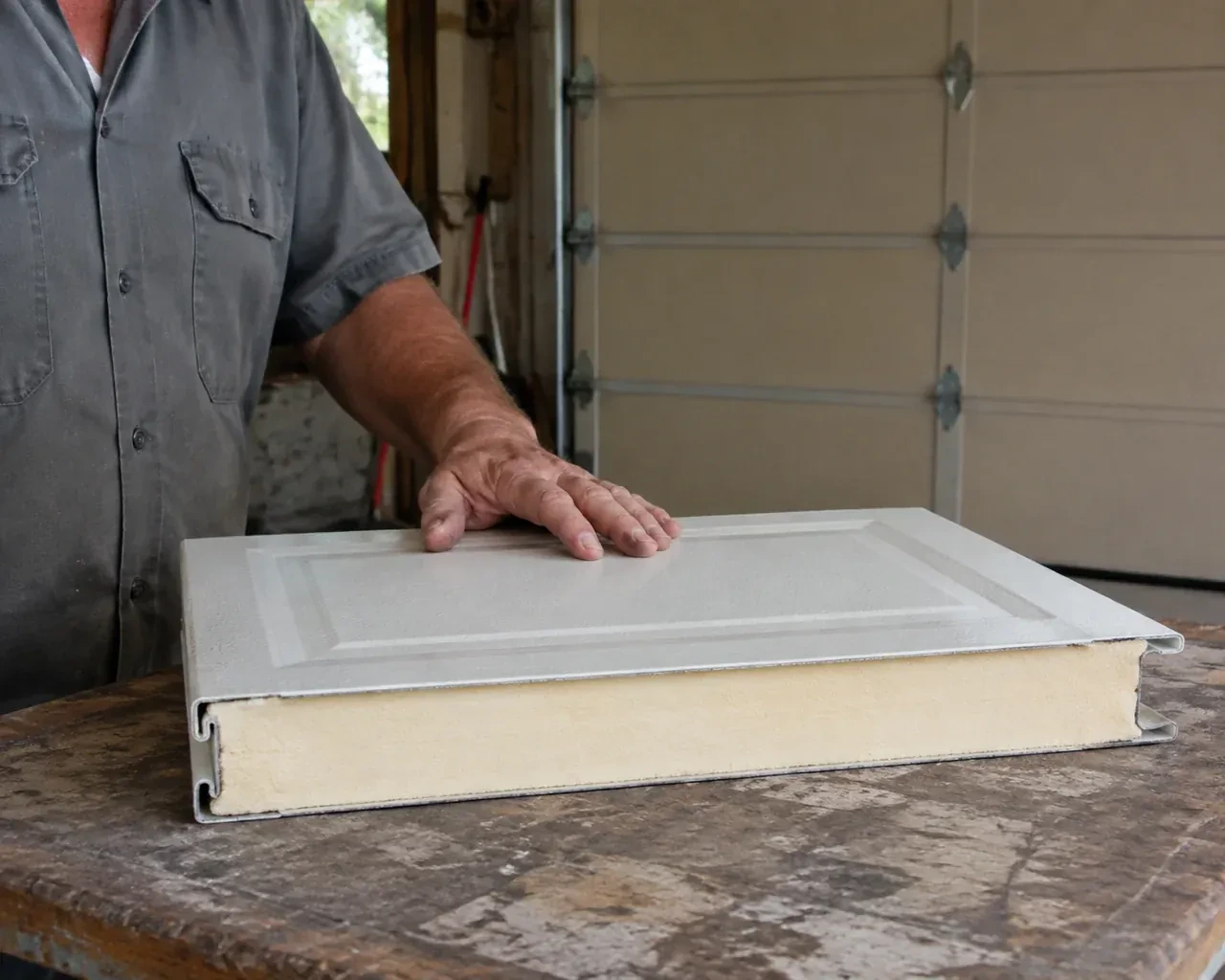
- Insulated Steel Garage Door InstallationA refreshed exterior has made the faded garage door stand out.
- Wind-Rated Garage Door ReplacementYour building designer has supplied positive and negative pressure values for the garage opening.
- Carriage-House Garage Door InstallationYour garage door works, yet its broad plain panels feel disconnected from the brick, gables and entry details around them.