Garage Doors in Midhurst, OntarioFor landlordsand property managers.
If you look after rental homes or a row of townhouses in Midhurst, one call covers every door. We keep notes on each address, replace like with like so tenants are not learning a new remote, and send a clear written summary of what was done so your records stay in order. Calls from Midhurst Station are covered too.
If you look after rental homes or a row of townhouses in Midhurst, one call covers every door. We keep notes on each address, replace like with like so tenants are not learning a new remote, and send a clear written summary of what was done so your records stay in order. Calls from Midhurst Station are covered too.
Explained before, tested after.
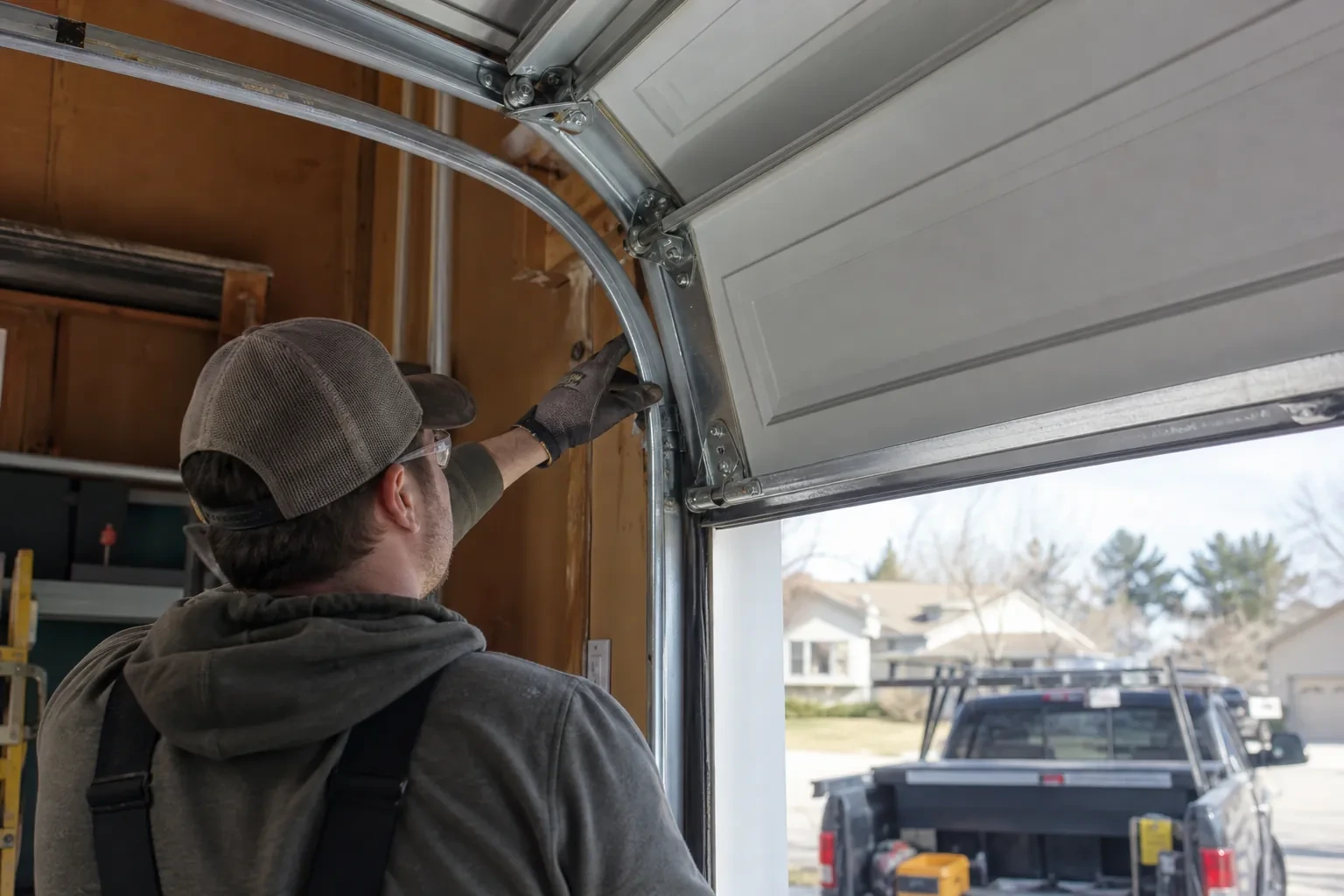
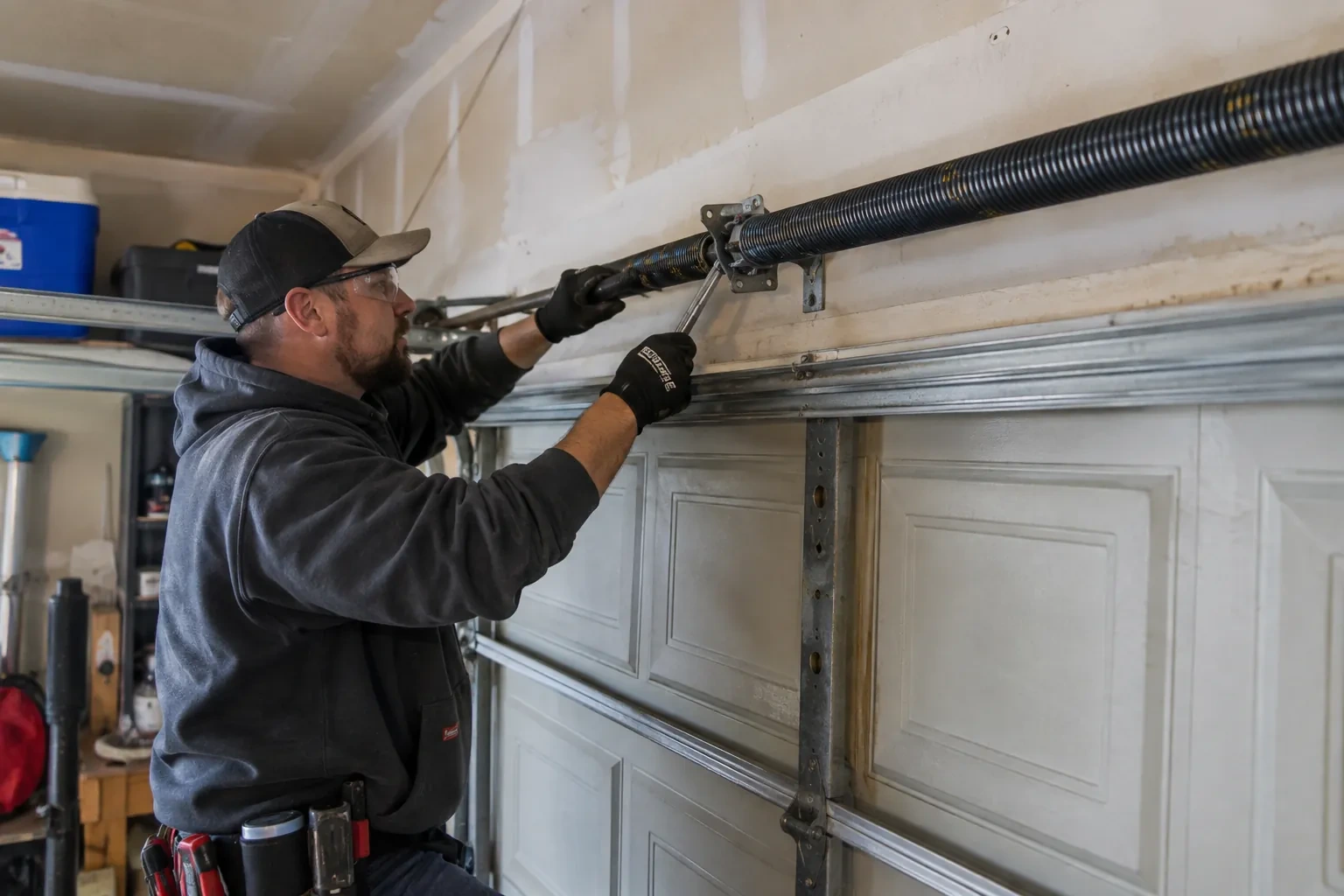
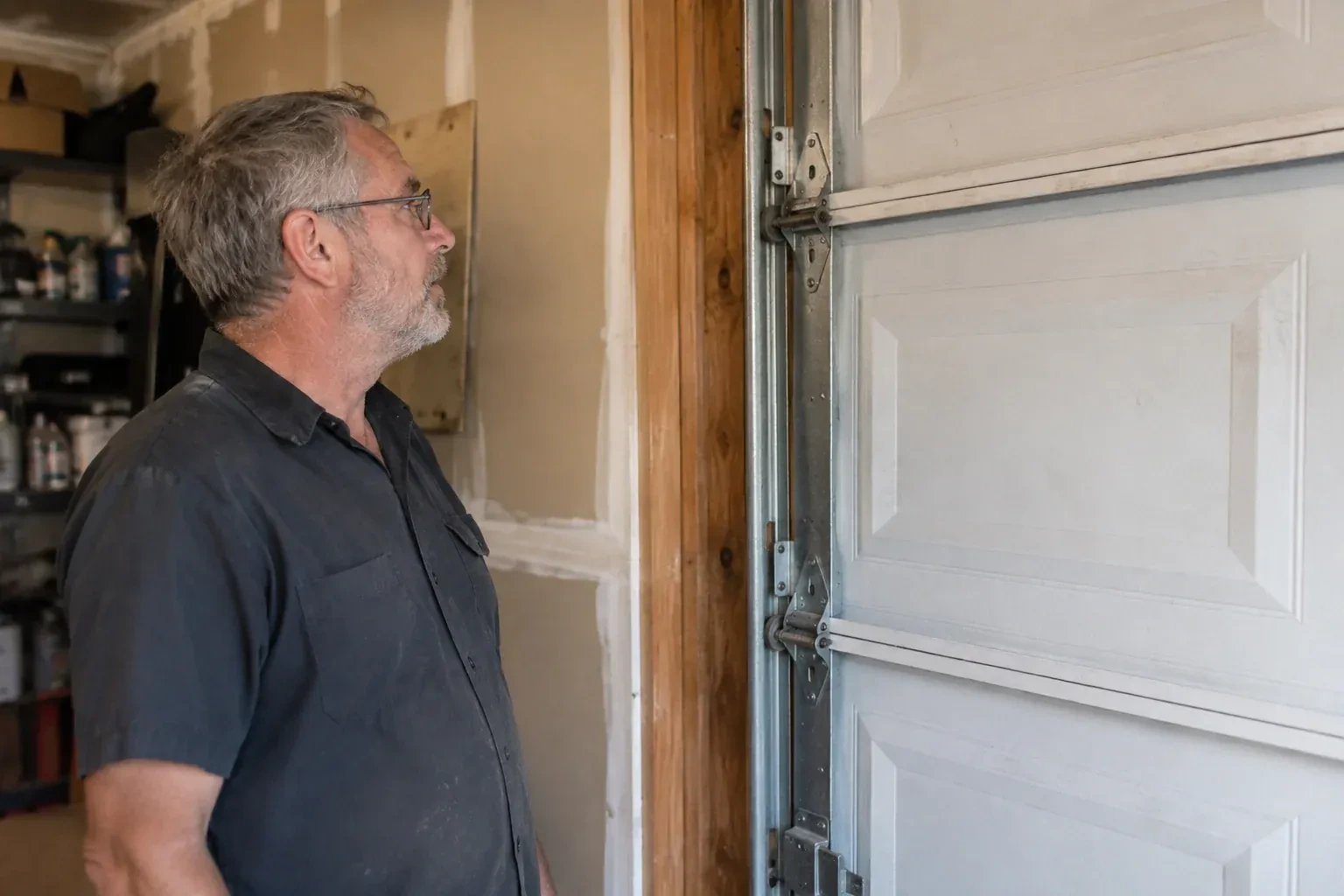
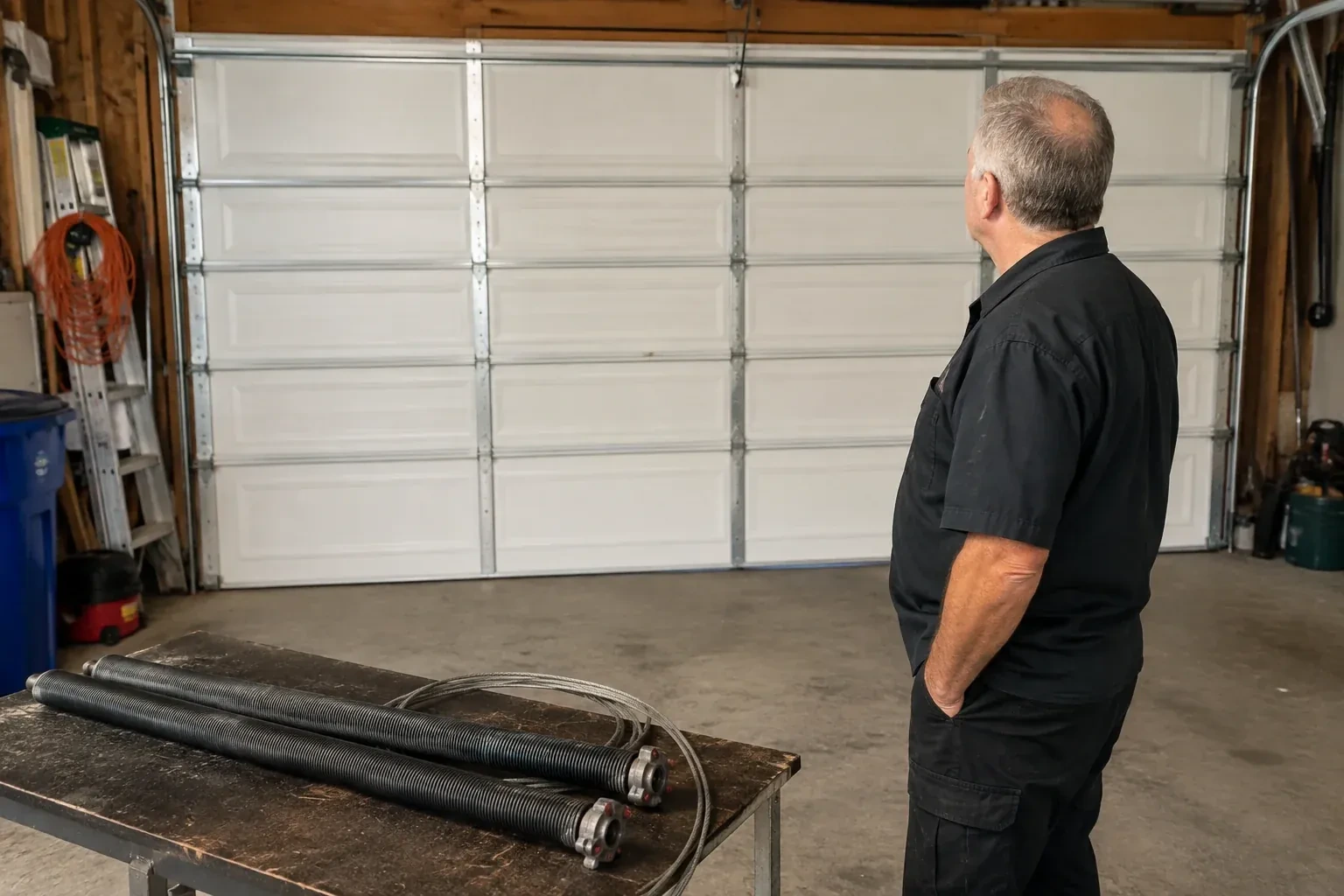
A garage door is heavy and the springs carry real force, so the work in Midhurst is done the careful way: door clamped, tension released with proper bars, parts measured before they are matched, and the door run through complete cycles afterwards. Careful is not slow; it is simply how a heavy door should be treated.
We have been servicing garage doors in Midhurst for long enough to recognize the door styles that came with each stretch of building. That familiarity helps when a spring needs matching or an older opener needs a sensible upgrade. Homeowners and businesses in the area can expect a careful look at the door, plain talk about the options and a repair or installation done properly.
13years in business
24/7open every day
Nothing hidden. Every part we replace, you can see. Every adjustment, we explain. If we find something unexpected, we stop and tell you before continuing.
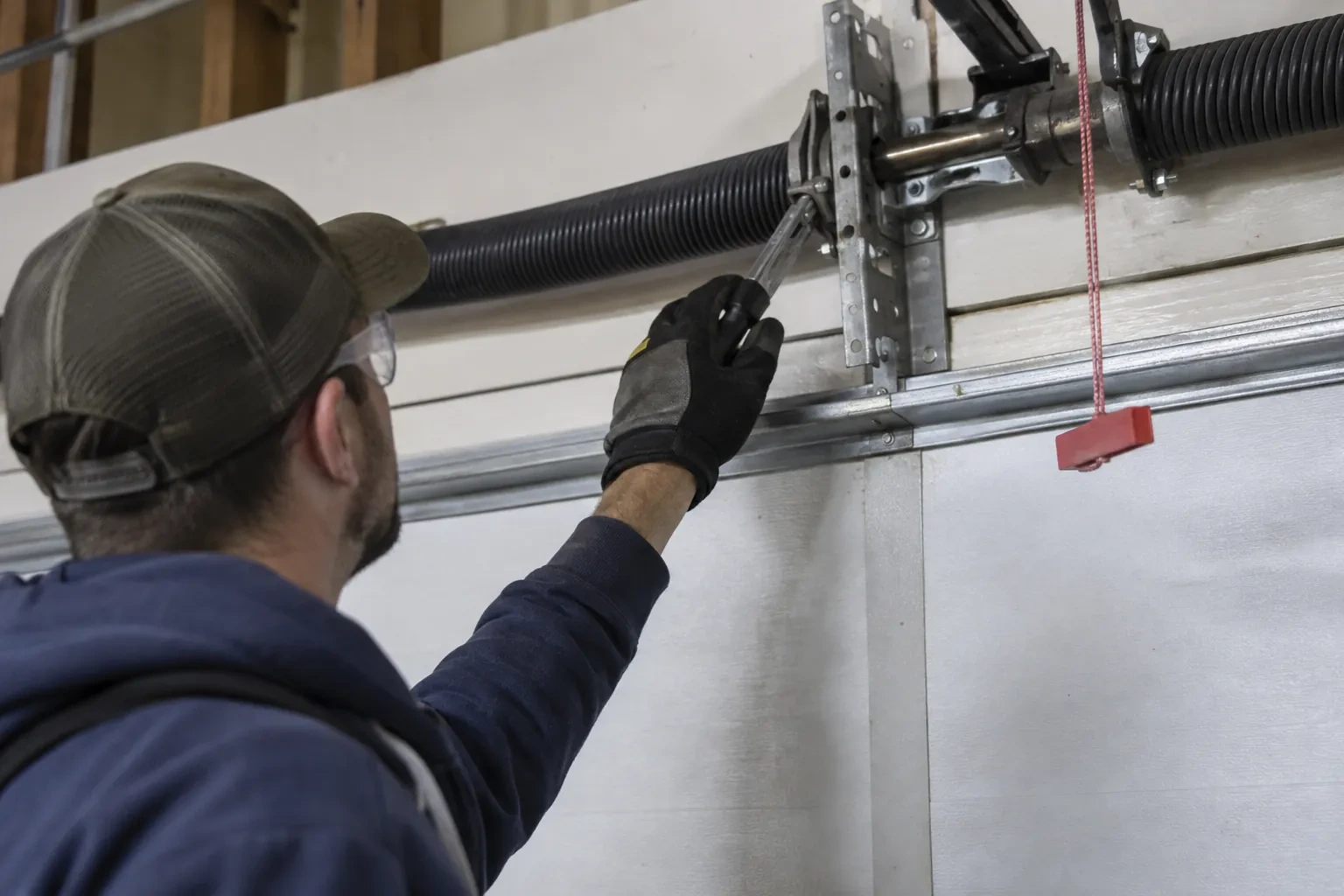
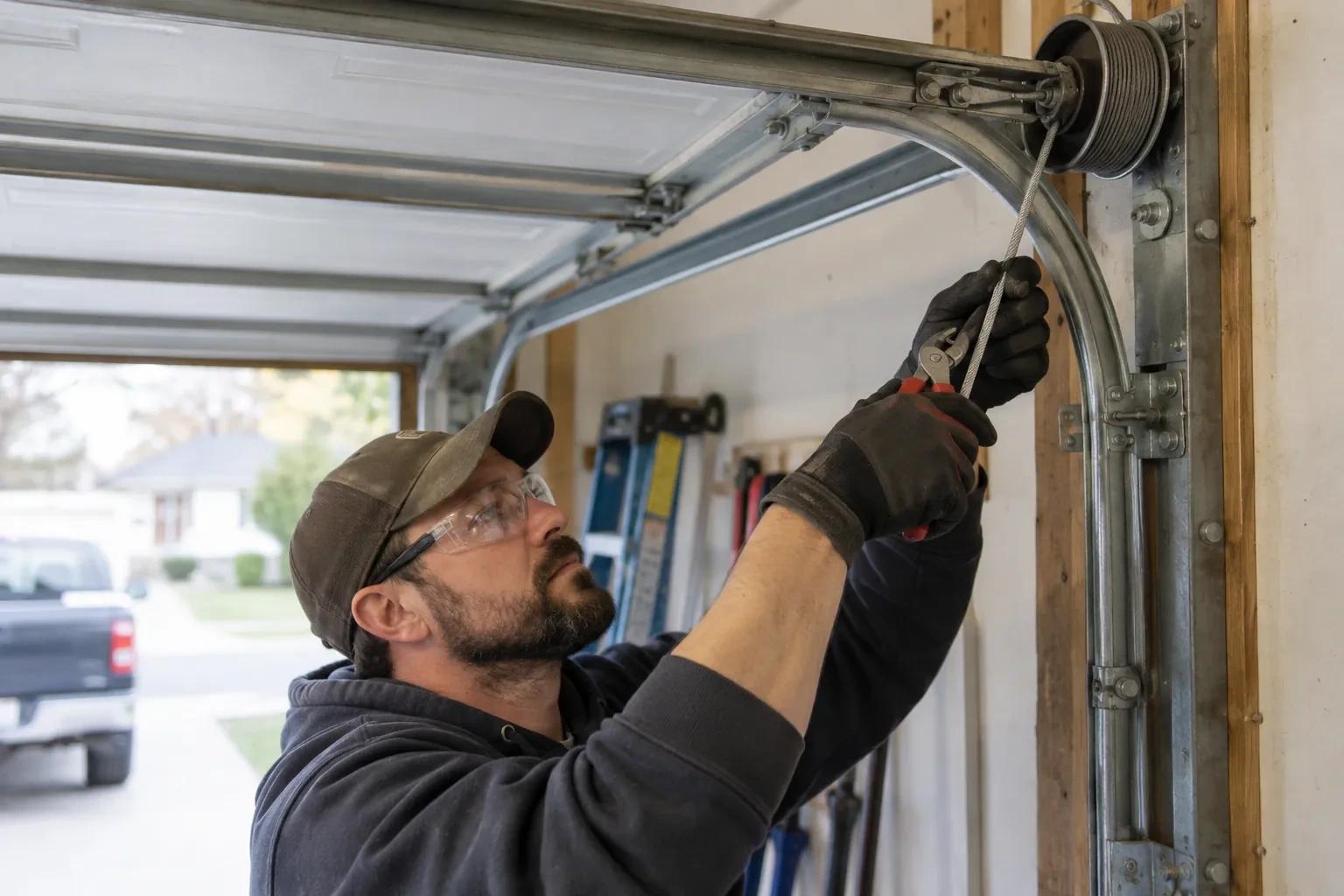
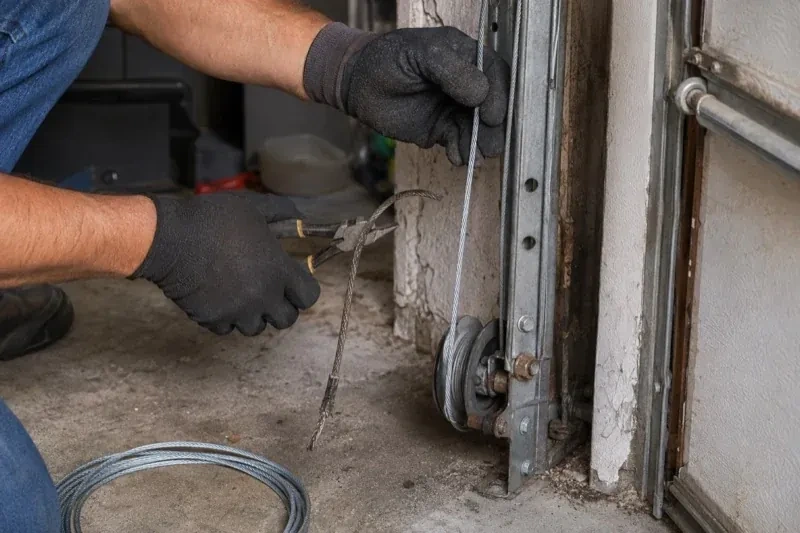
Care with heavy parts. Springs and cables are handled with the right tools and a steady method, and the door is secured before any tension is released.
Clear about what comes next. Before we leave, you know what was done, what to watch for, and when the door might want attention again.
Set up a visit to your home or business in Midhurst.
Every garage door service we offer in Midhurst is described the same way: what you might have noticed, what the technician checks first, how the work is done and what you have afterwards. Start with the symptom you are seeing and the right service will be easy to find.
About 38% of homes in Springwater were built in 1980 or earlier, according to the 2021 Census.
Streets with a mix of older and newer homes tend to show a mix of door styles too, from flush wood panels to raised-panel steel and carriage designs. When a replacement is chosen, it can either match the house's period or the neighbouring doors, and we help weigh both.
Single-detached houses make up about 93% of homes in Springwater (2021 Census).
Mostly houses
A detached house with its own garage is a natural fit for upgrades that need space: a jackshaft opener to free the ceiling, a high-lift door for a car hoist, or a wider door when a bigger vehicle arrives. The technician measures the opening and headroom and says what fits.
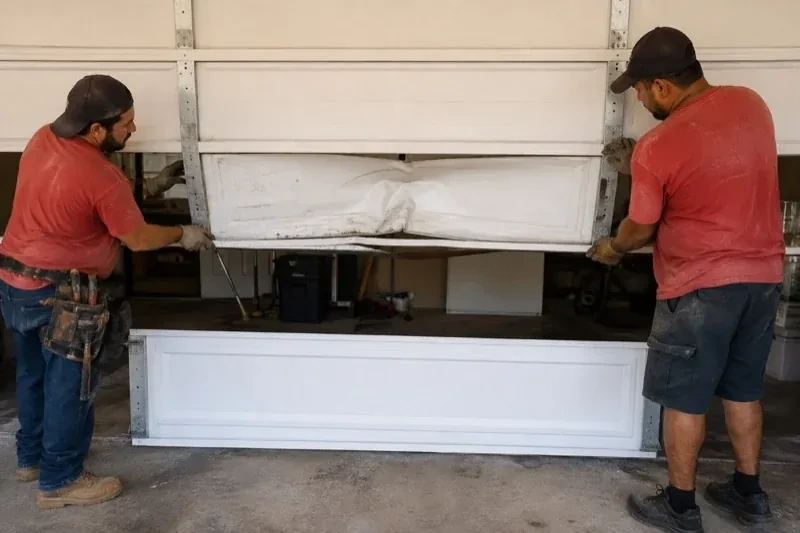
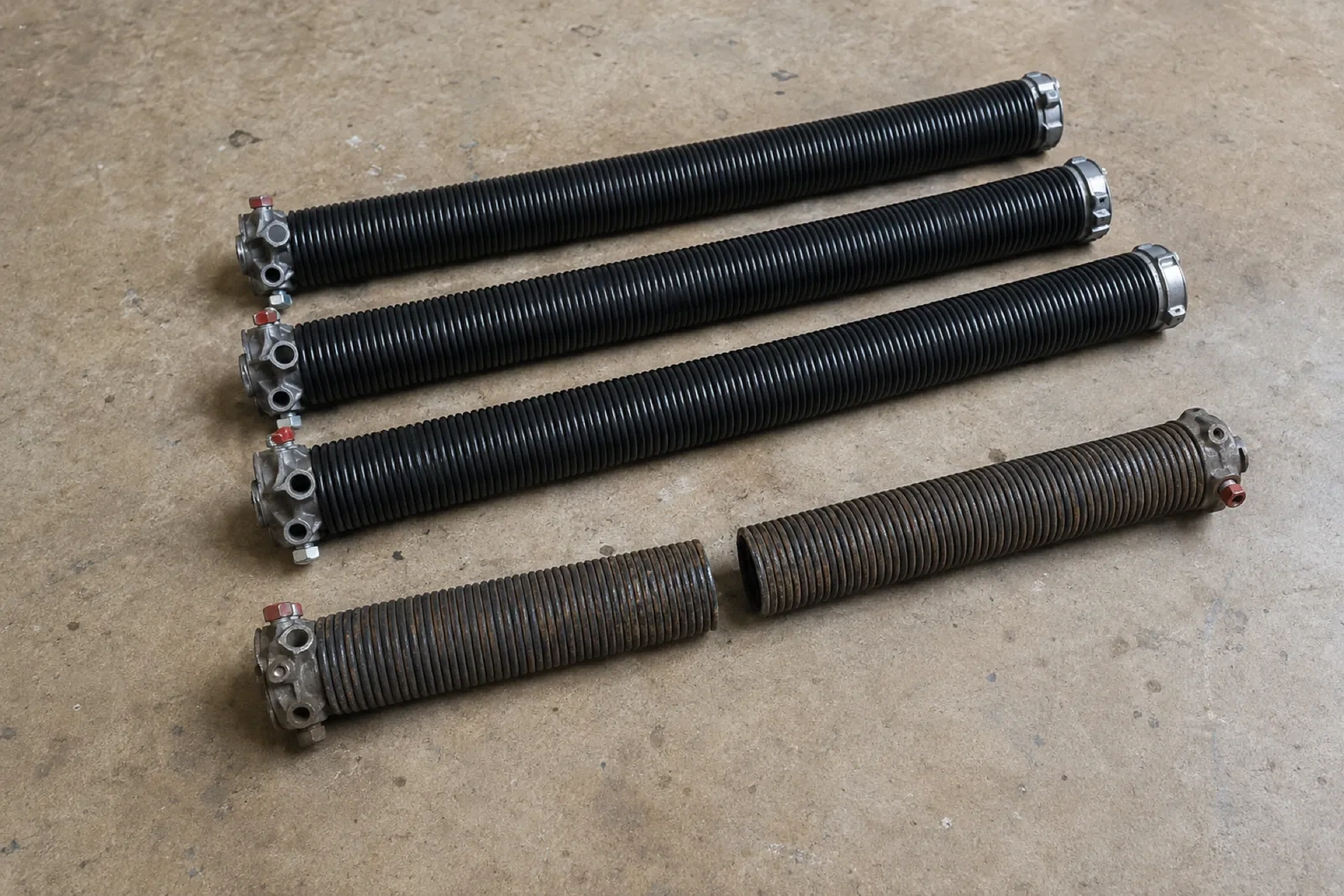
This is the heavy side of garage door work. A technician with winding bars, a set of stands and a measured approach can make a door that was dangerous to move feel light again.
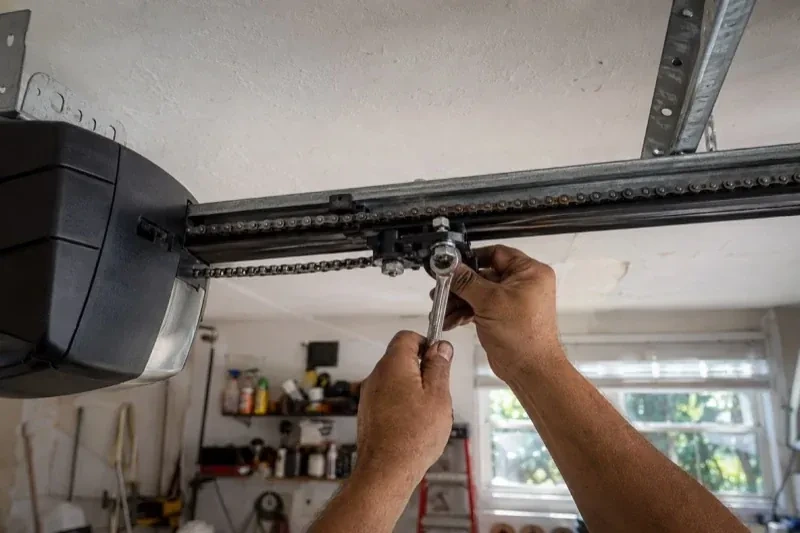
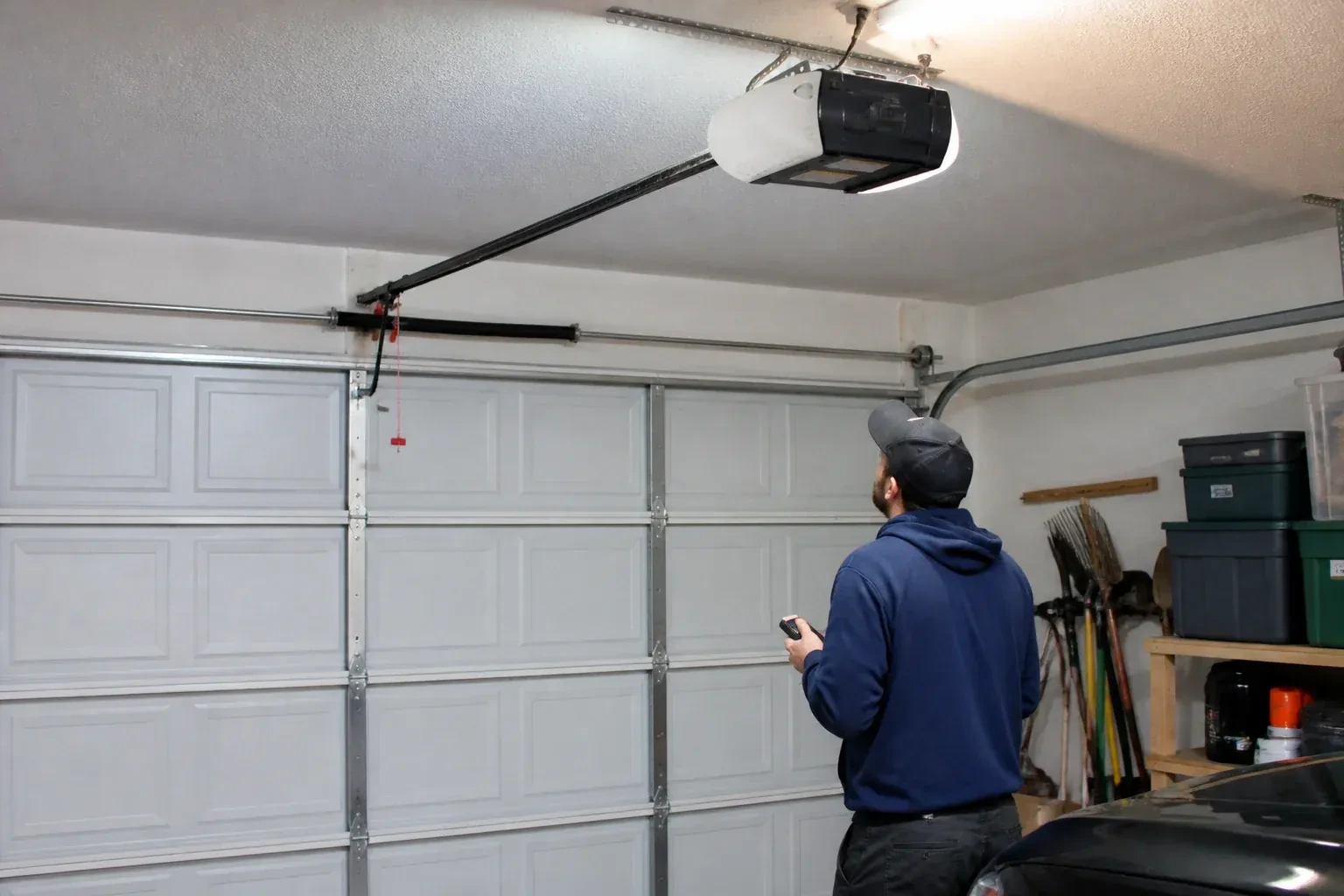
The door used to glide up with a soft hum. Now there is a sharp clack every second or so, and if you stand underneath you can see the belt sagging below the rail and slapping it on the way up.
Since the storm the door behaves oddly: it reverses halfway down for no reason, the light flickers, and the travel limits drift so it either slams or stops short. The board inside is discontinued and the last repair only bought a few months.
The door will only go down while a finger stays on the wall button; let go and it stops or reverses. From the remote it opens fine but never closes, so someone has to stand in the garage every time.
A smart hub arrived in the mail with a coin-cell sensor and two wires. The instructions ask what colour your learn button is and how old the opener is.
Since the new door went in, the red handle has hung just below the ceiling, a stepladder's height above anyone in the household. During last week's blackout your daughter stood under it with a broom, unable to hook it down.
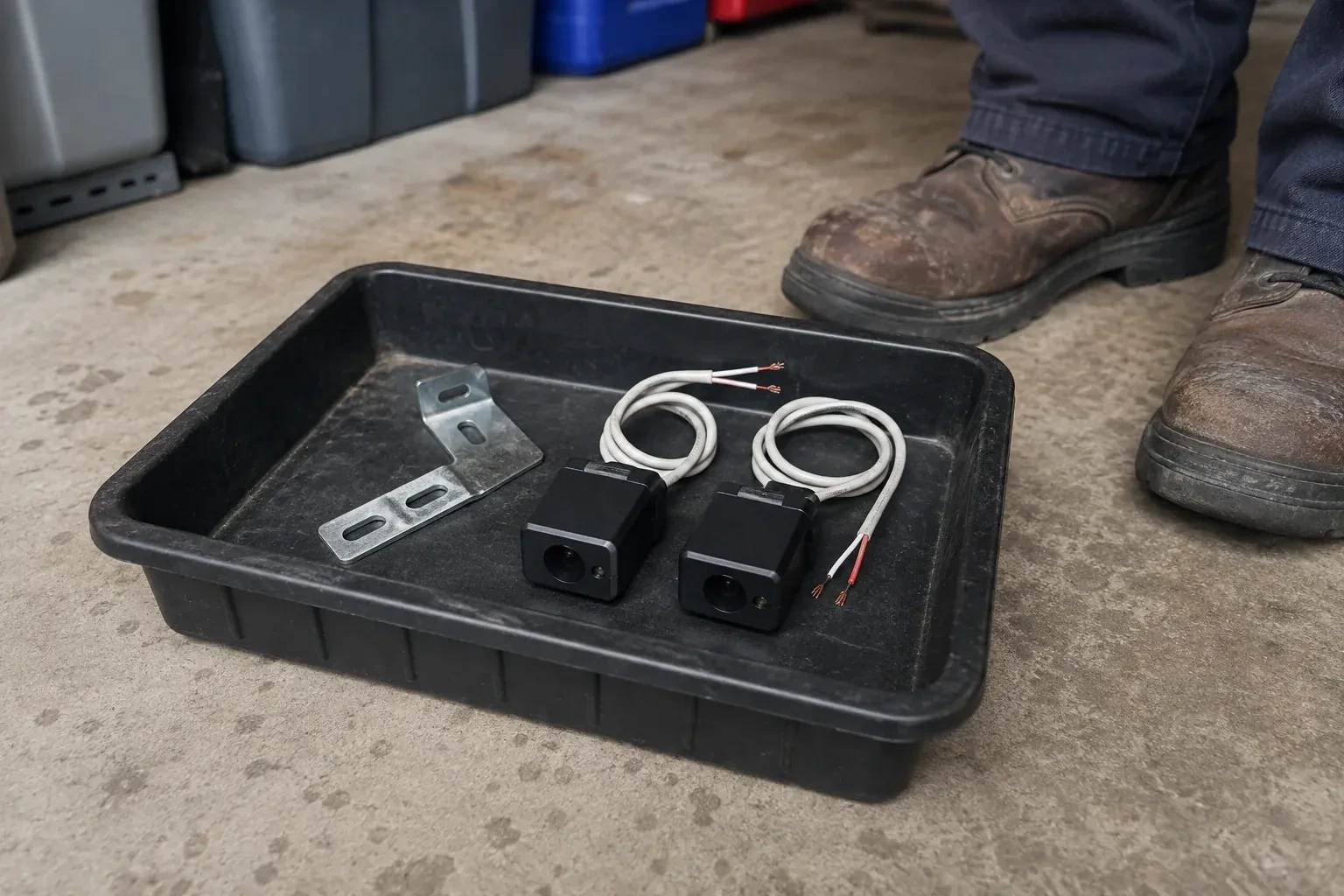
WhyIf your opener has no sensors at the floor, that alone does not date it, since a pair can be missing, removed or never reconnected; the technician identifies the model before deciding whether a pair can be restored or the operator itself needs replacing.
You are adding an automatic opener to an older, very heavy door.
WhyA glazed door can weigh and flex differently from the solid door it replaces, so the supporting hardware deserves equal attention.
How a visit goes
Describe the property, the hardware and what has changed, and the visit starts from what you have seen.
01
We listen first
You describe what the door did and when it started. A stuck door, a bang, a remote that stopped: every detail helps us arrive with the right parts.
02
We check the whole door
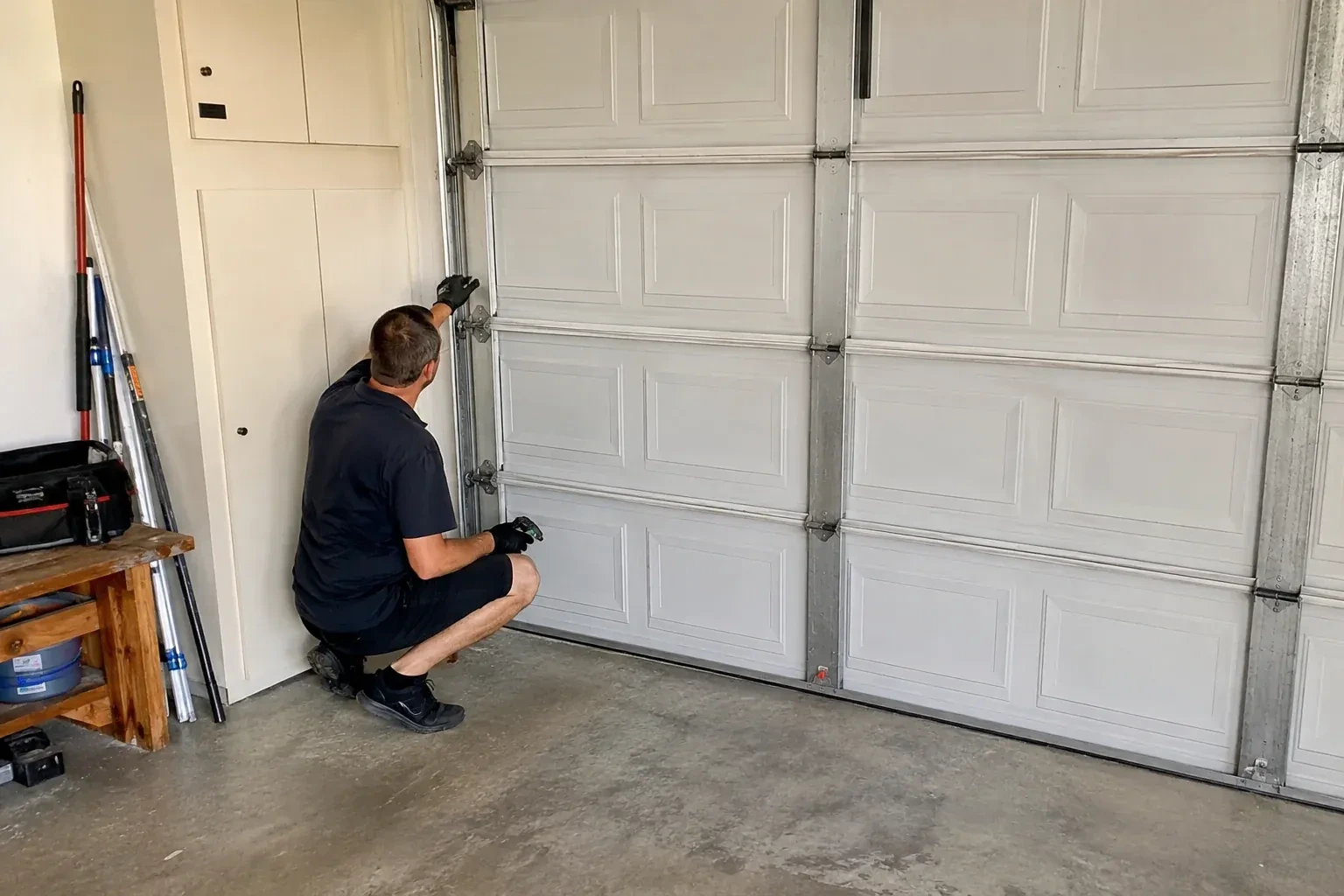
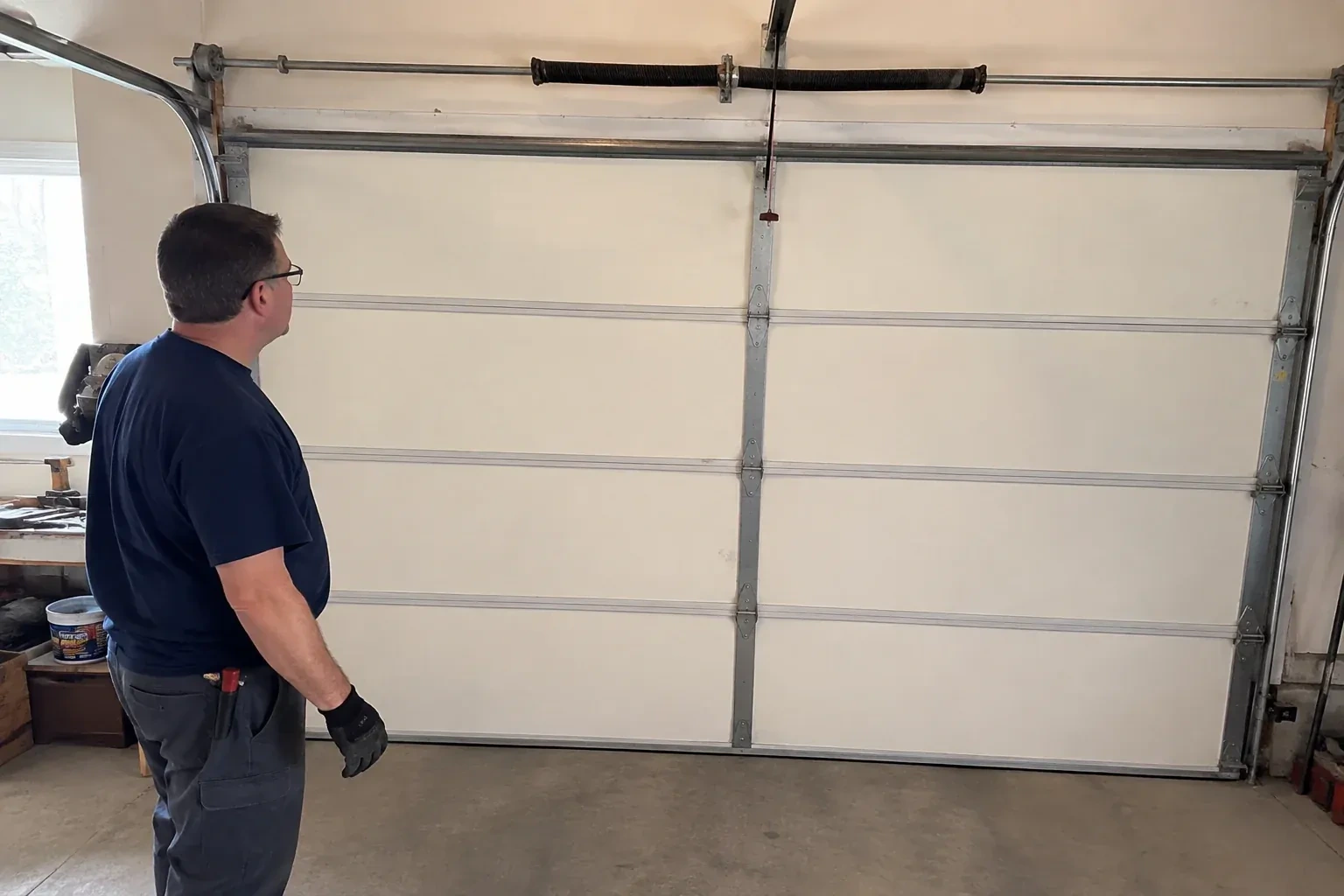
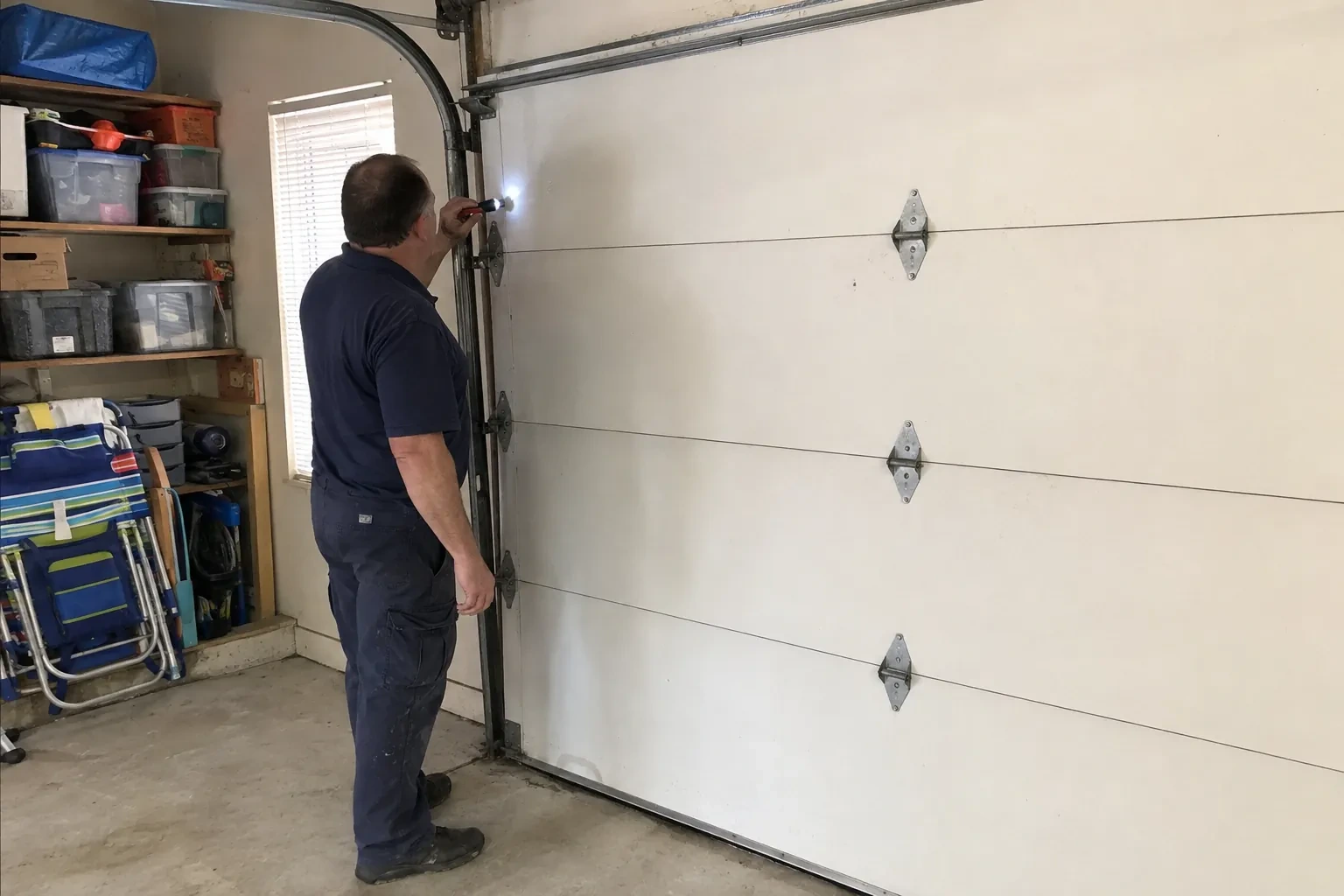
Before touching anything, the technician runs the door, watches the travel, tests balance by hand and looks at springs, cables, rollers and sensors.
03
We explain, then work
You hear what we found and what the choices are before any repair begins. Then the work is done carefully and tested through full cycles.
An entrance. Not an afterthought.
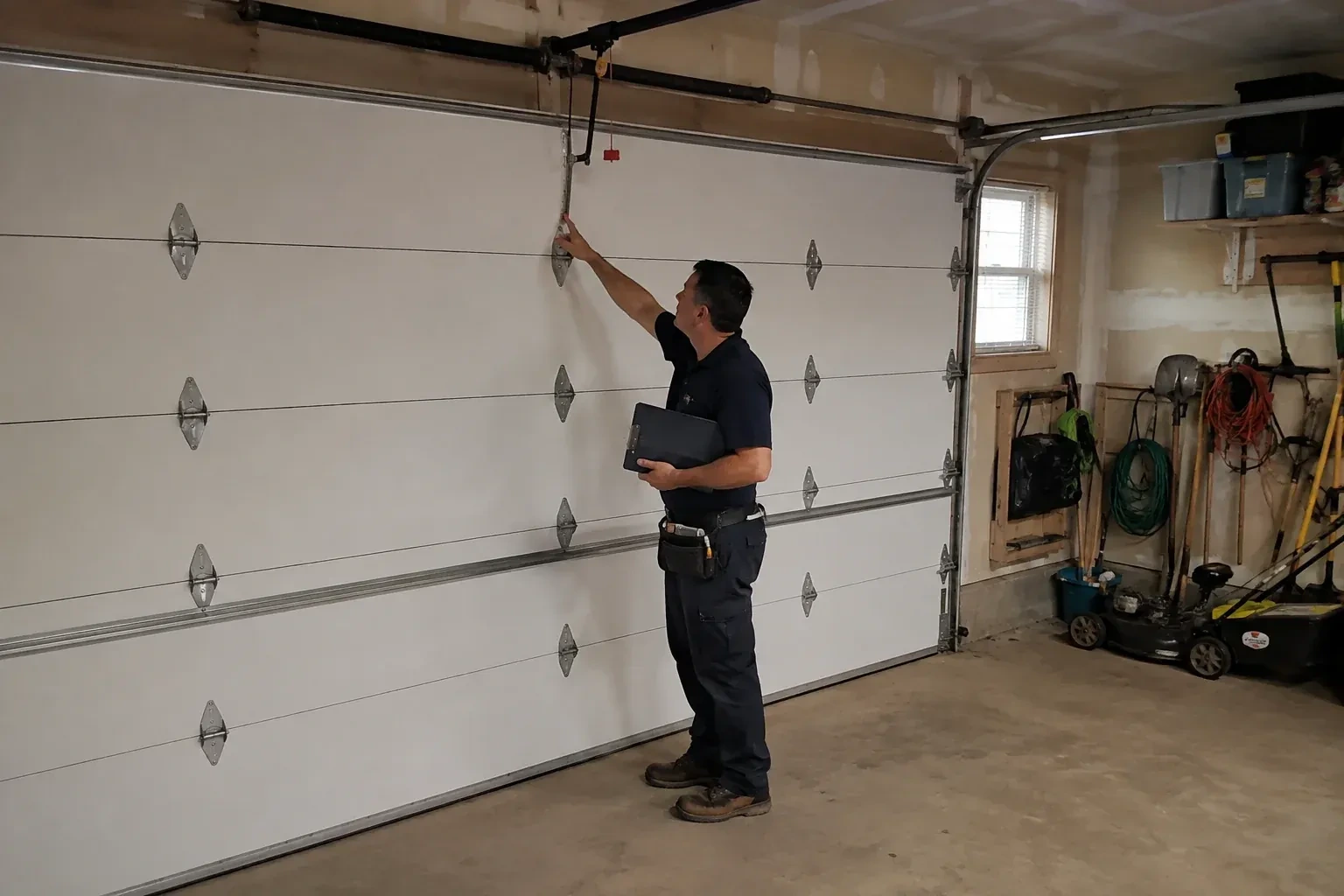
1/10Garage Door Safety Inspection
It has been a hard winter. The bottom seal froze to the slab twice, the opener groaned each morning, and one afternoon you noticed a cable on the left side hanging with a little slack in it.
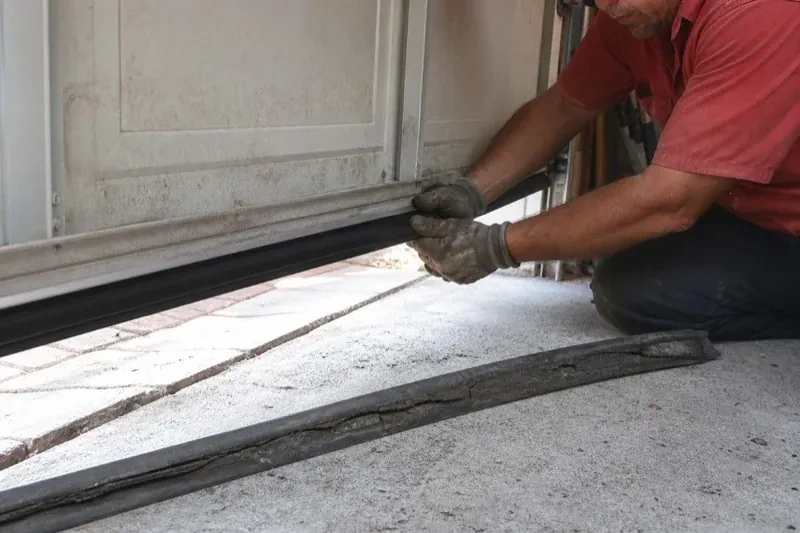
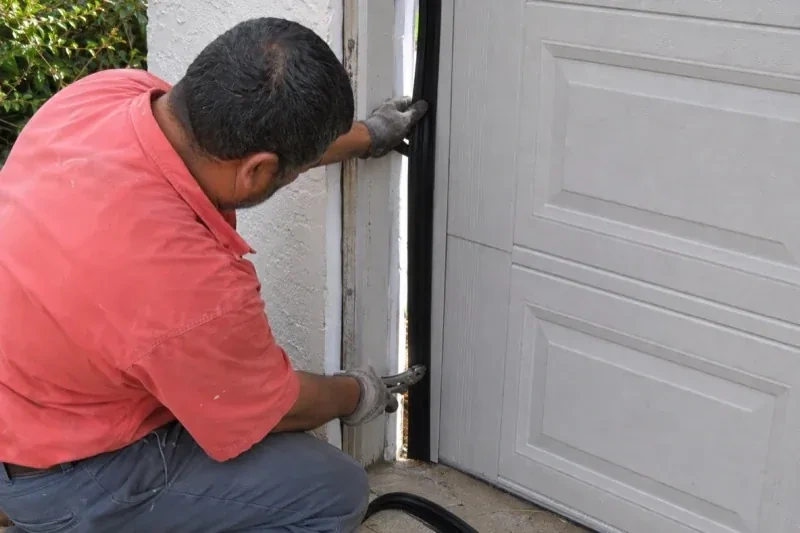
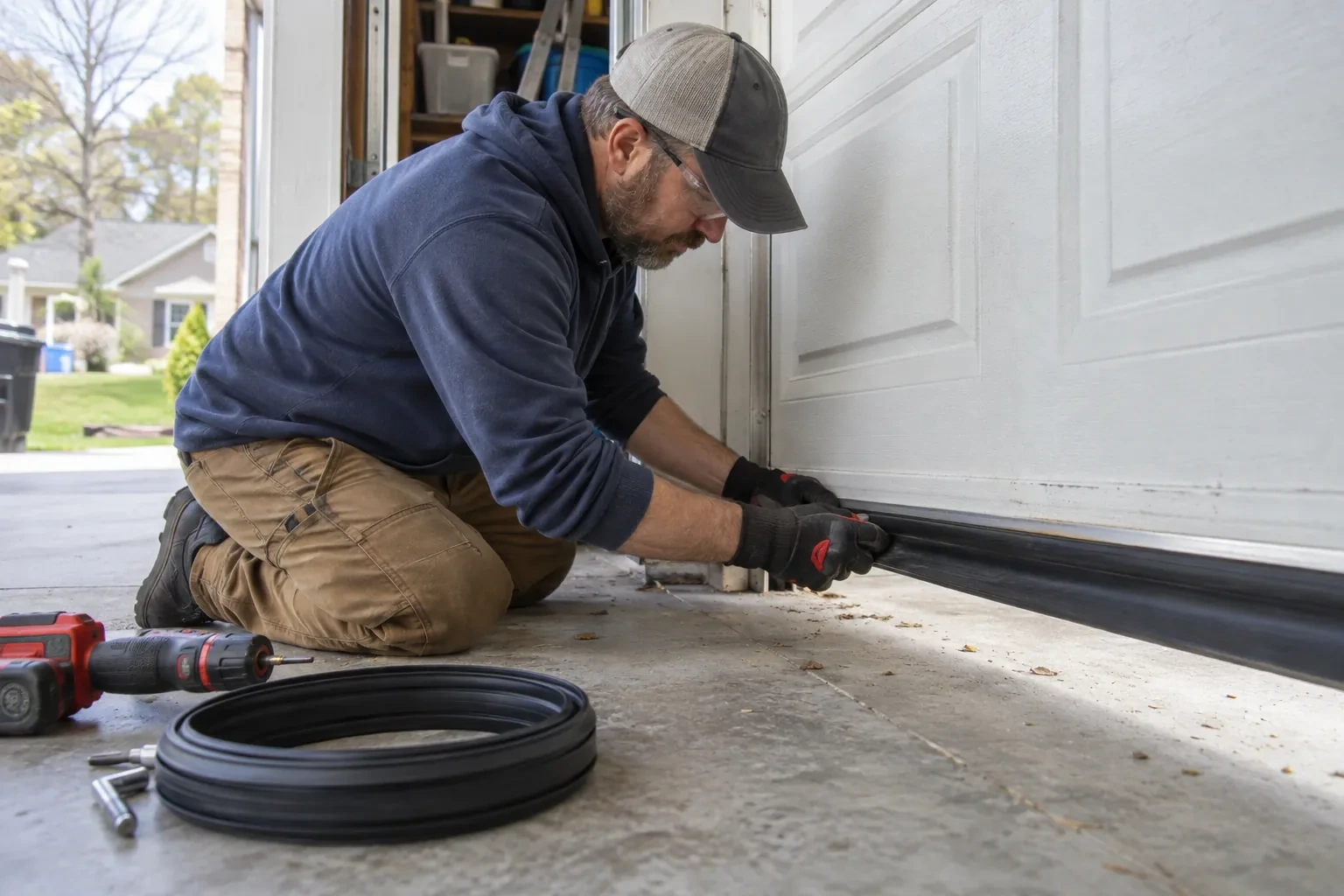
After a spring rain there is a puddle inside the door that reaches the tires. The driveway slopes toward the garage, the slab has a low corner, and the flattened old seal is not making up the difference.
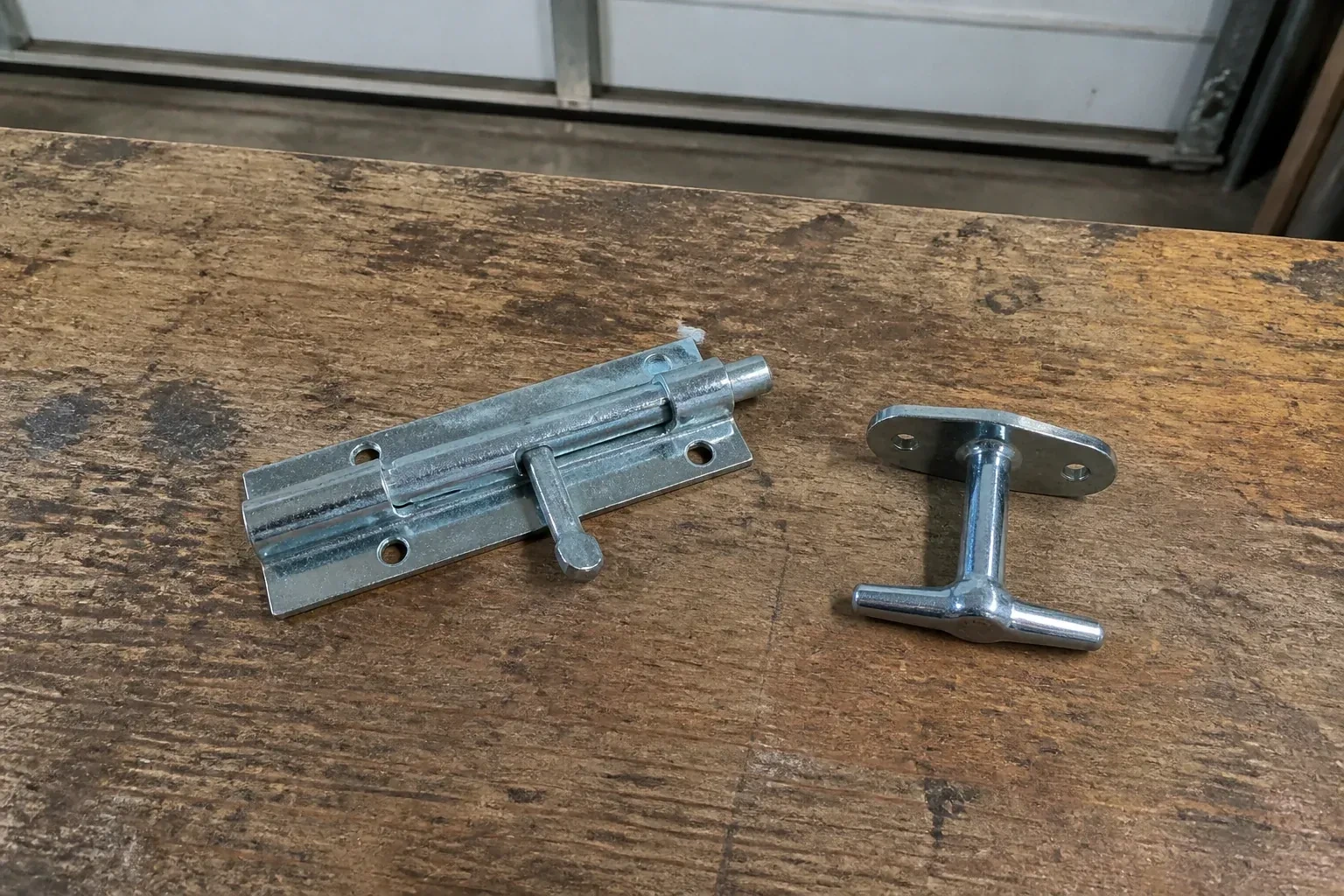
The outside handle wobbles in your hand and the inside knob spins round and round with nothing attached. The screws that held the lock through the door skin have pulled loose, leaving oval holes, and the whole thing hangs on by little more than paint.
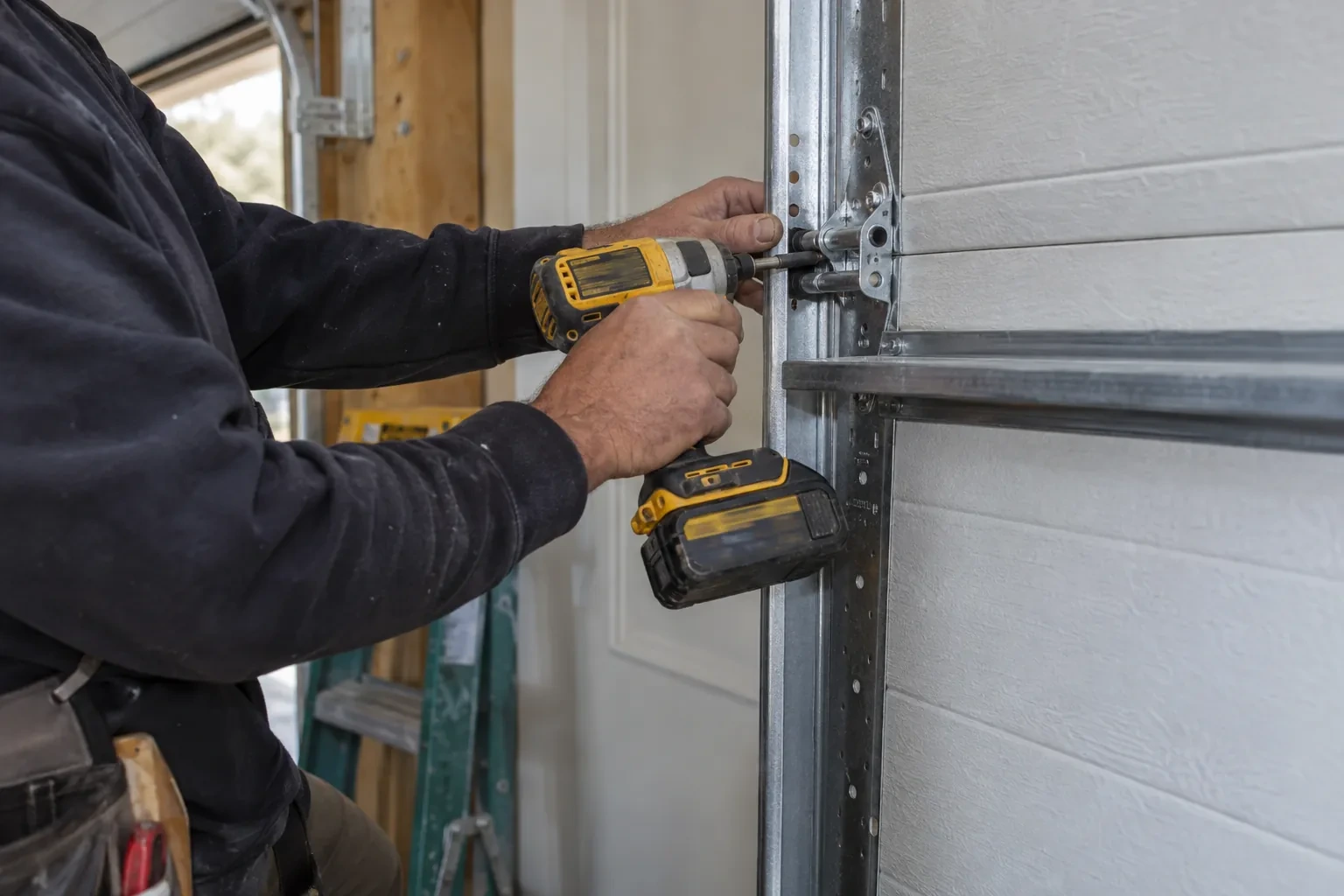
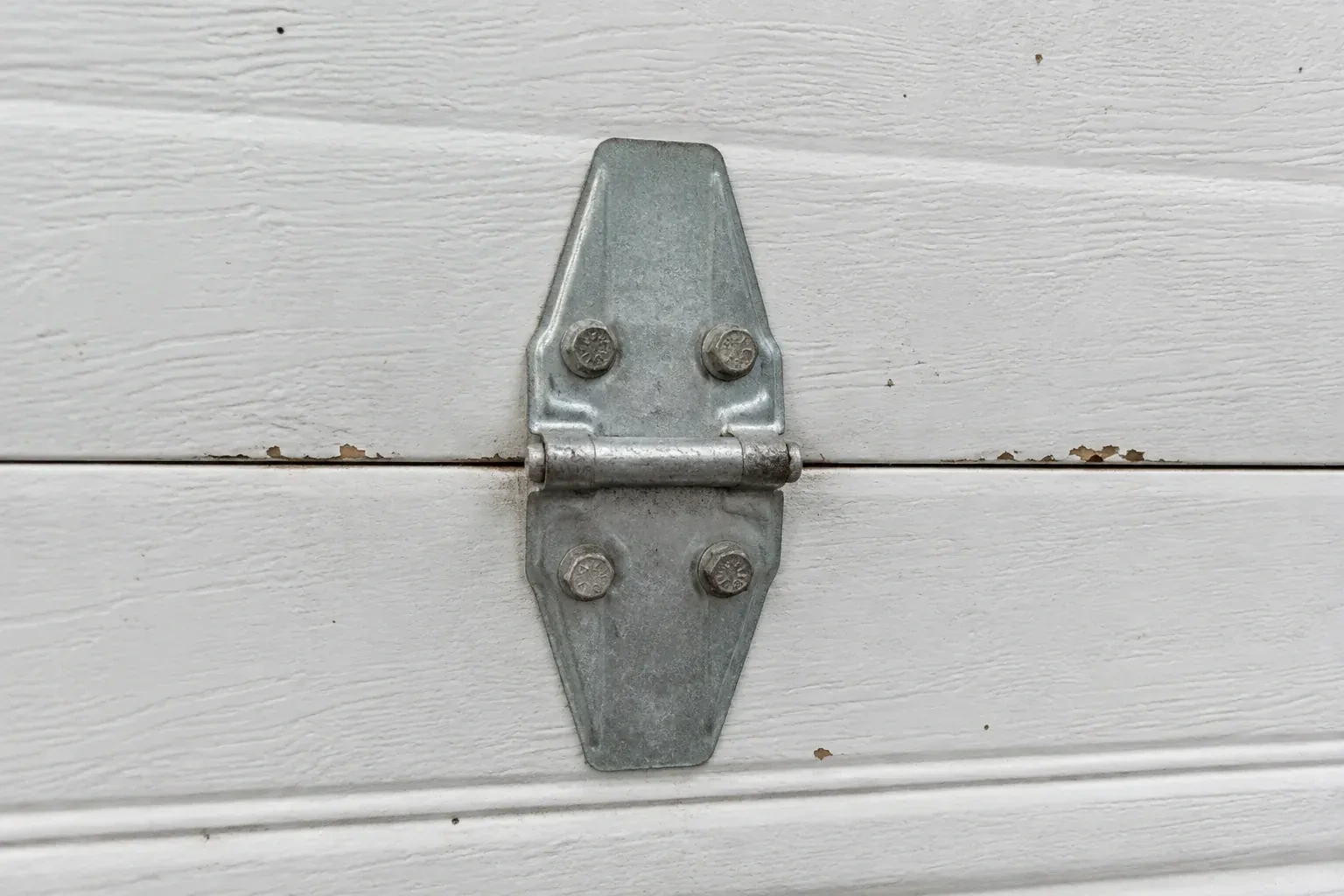
A roller near the top corner is riding on the lip of the track rather than inside it, and the section above leans back a little more each week. The door still moves, but it looks one bump away from coming out altogether.
The door opens about a third of the way and stops. Turning the limit screw on the head has made no difference, and the trolley seems to sit in the wrong place along the rail when the door is fully closed.
On bright mornings the door will not close, then by lunchtime it behaves itself. The garage faces the low sun, and the light reaches straight across the floor to one of the little black sensors.
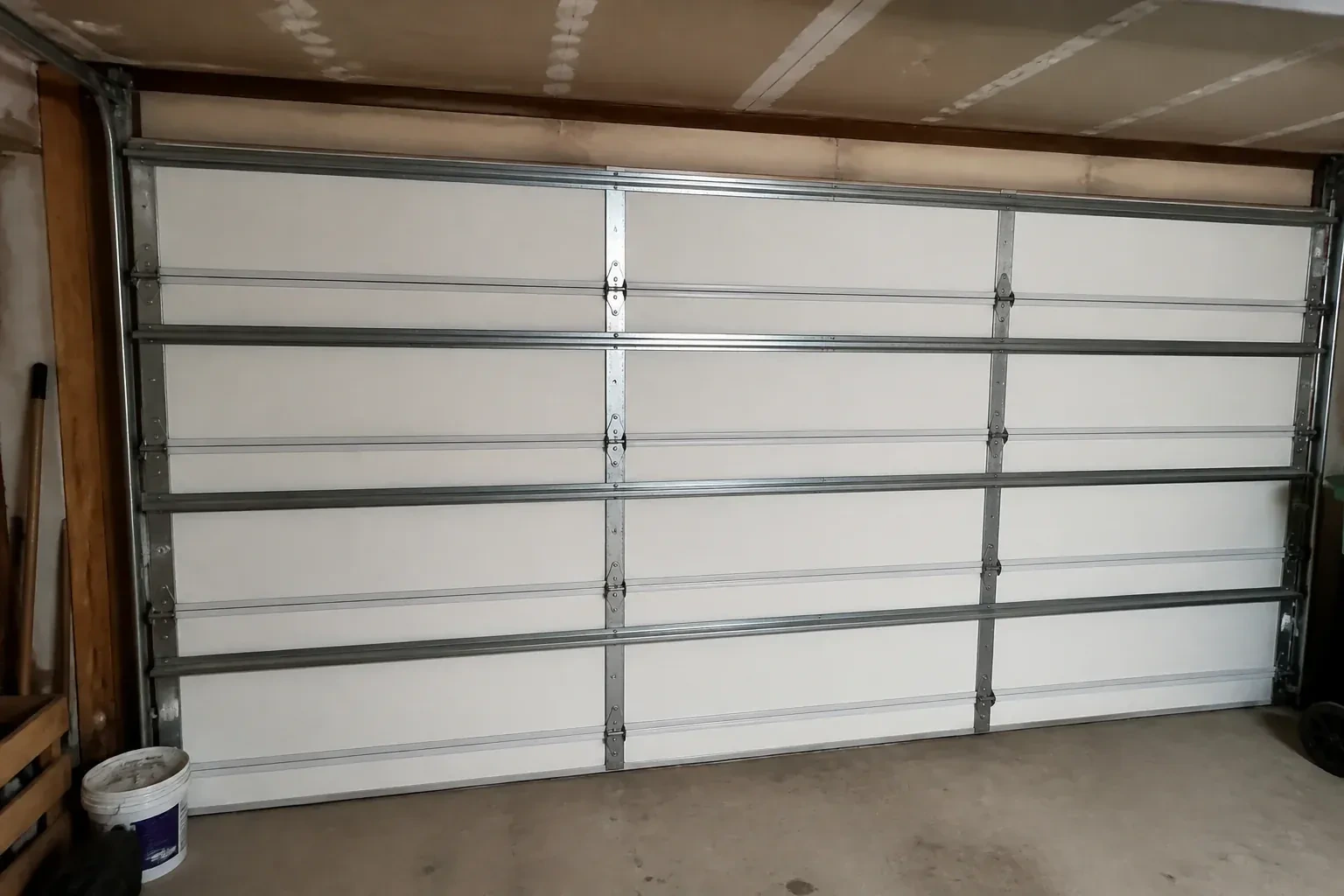
You are adding an automatic opener to an older, very heavy door. Before pairing equipment, you want sections, reinforcement, balance hardware and track chosen together for predictable manual and powered movement.
Strong gusts make the centre of your wide garage door bow inward and the rollers chatter in their tracks. Once the weather settles, the panels look straight again, but the movement has made you question how the opening is reinforced.
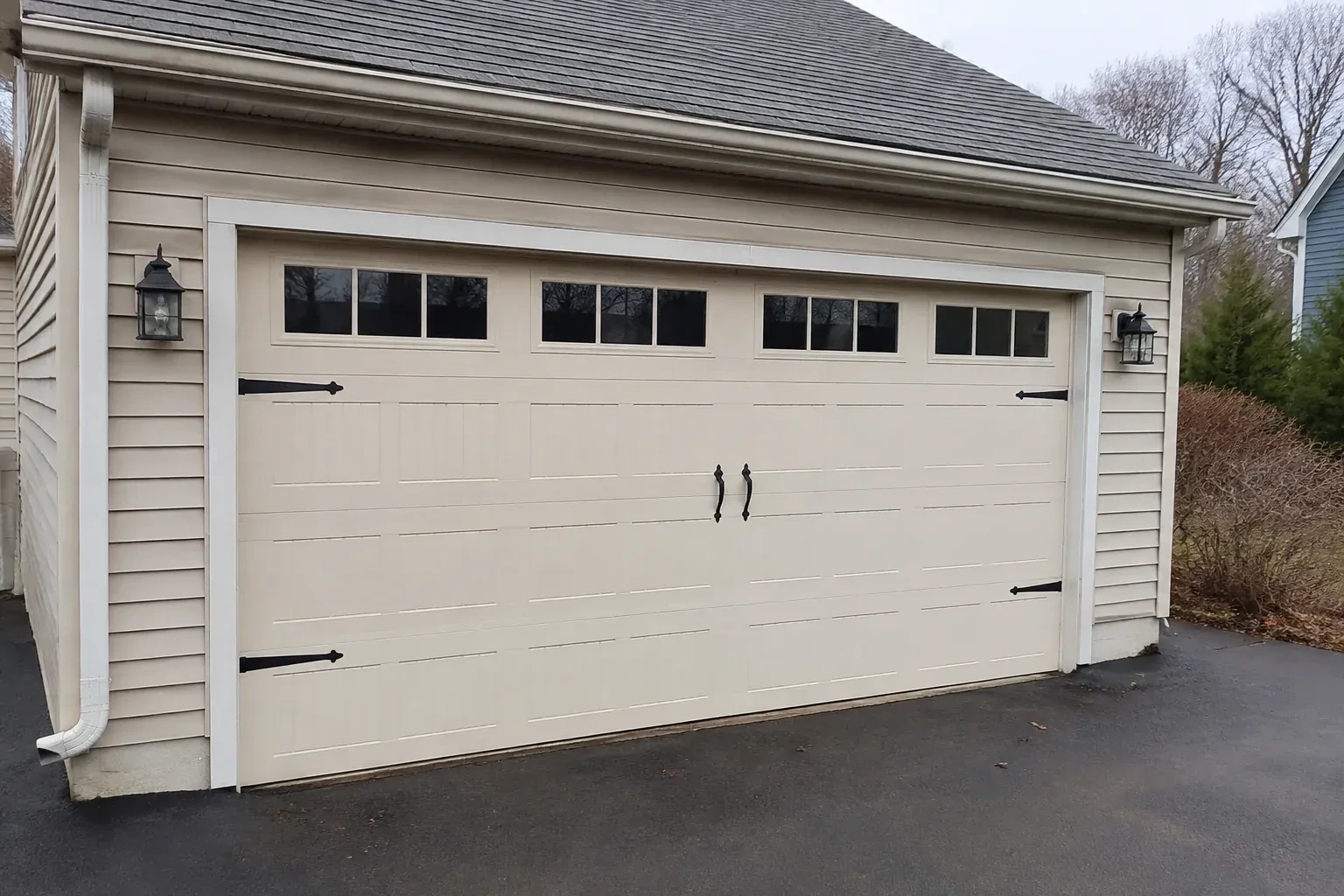
Cold air is noticeable around the current door, especially near the floor and section joints. This replacement is an opportunity to combine carriage-house styling with insulation and properly fitted perimeter seals.
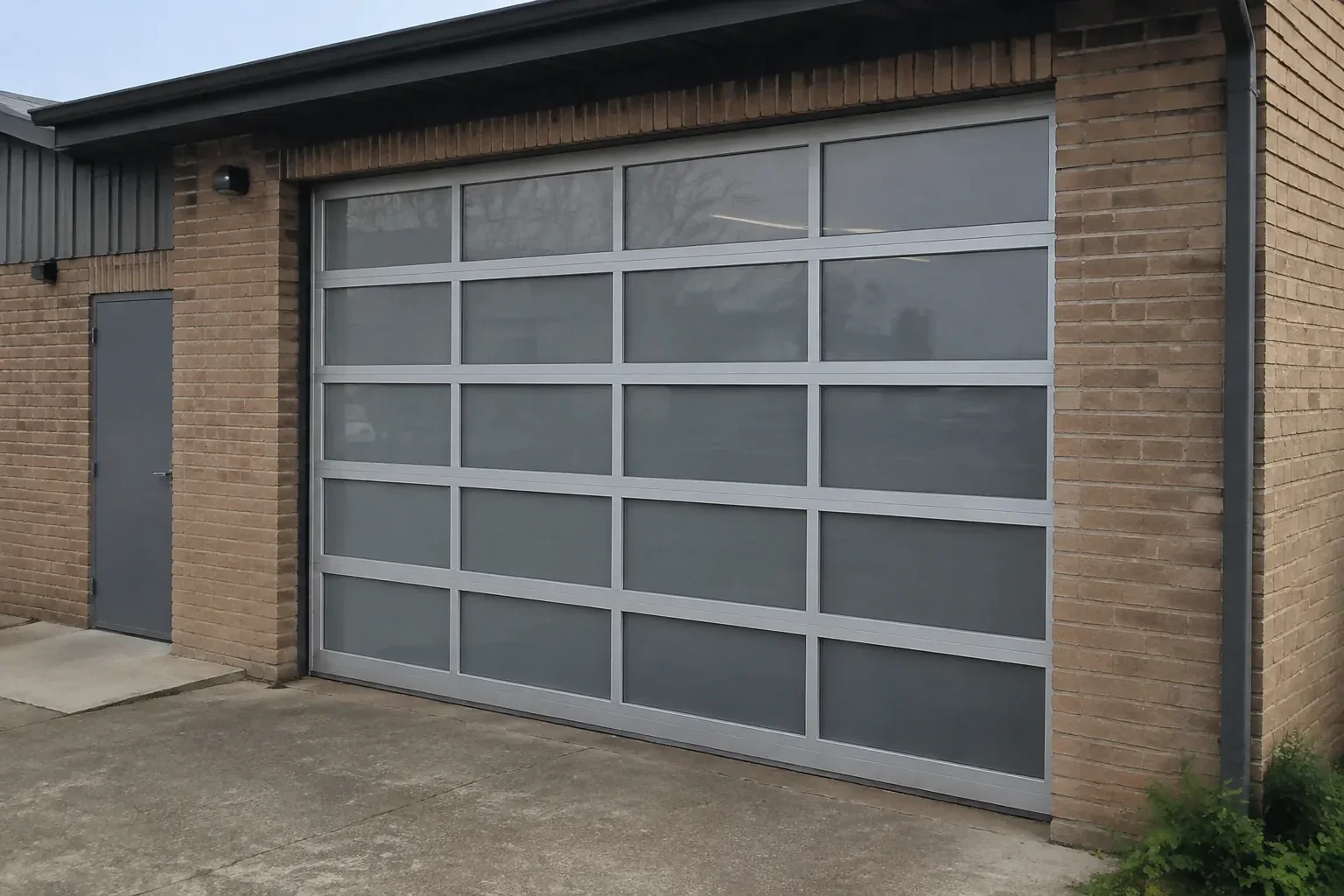
Your renovation has given the house clean modern lines, but the old raised-panel garage door now looks out of place. You want broad glass panels and a slim dark frame to complete the exterior.
Whether the door is single or double and roughly how tall; whether there is a spring on a shaft above the opening or springs along the tracks; the opener make if you can see it; how many doors need looking at; what prompted the call and when it began; and whether anything happened to the door lately. A photo of the opener label and of the spring area is a useful extra.
How can I tell that the bottom seal needs replacing?
Close the door, turn off the lights and look along the floor from inside. Daylight showing, a strip that feels hard or cracks when pressed, a bulb that has flattened and stays flat, an end hanging out of its channel, chew marks or missing pieces are all signs. So are leaves, snow or a puddle inside the door after weather. Any one of these means the seal has stopped doing its job.
The wood around my lock is soft. Can it still be repaired?
Yes. The decayed wood is cut back to sound material and a hardwood block or a steel backing plate is let in behind the handle and along the stile where the bar guides sit. The handle, mechanism and guides are then fixed to that new material with through-bolts rather than screws into soft grain, so the lock turns without rocking and the bars hold their line.
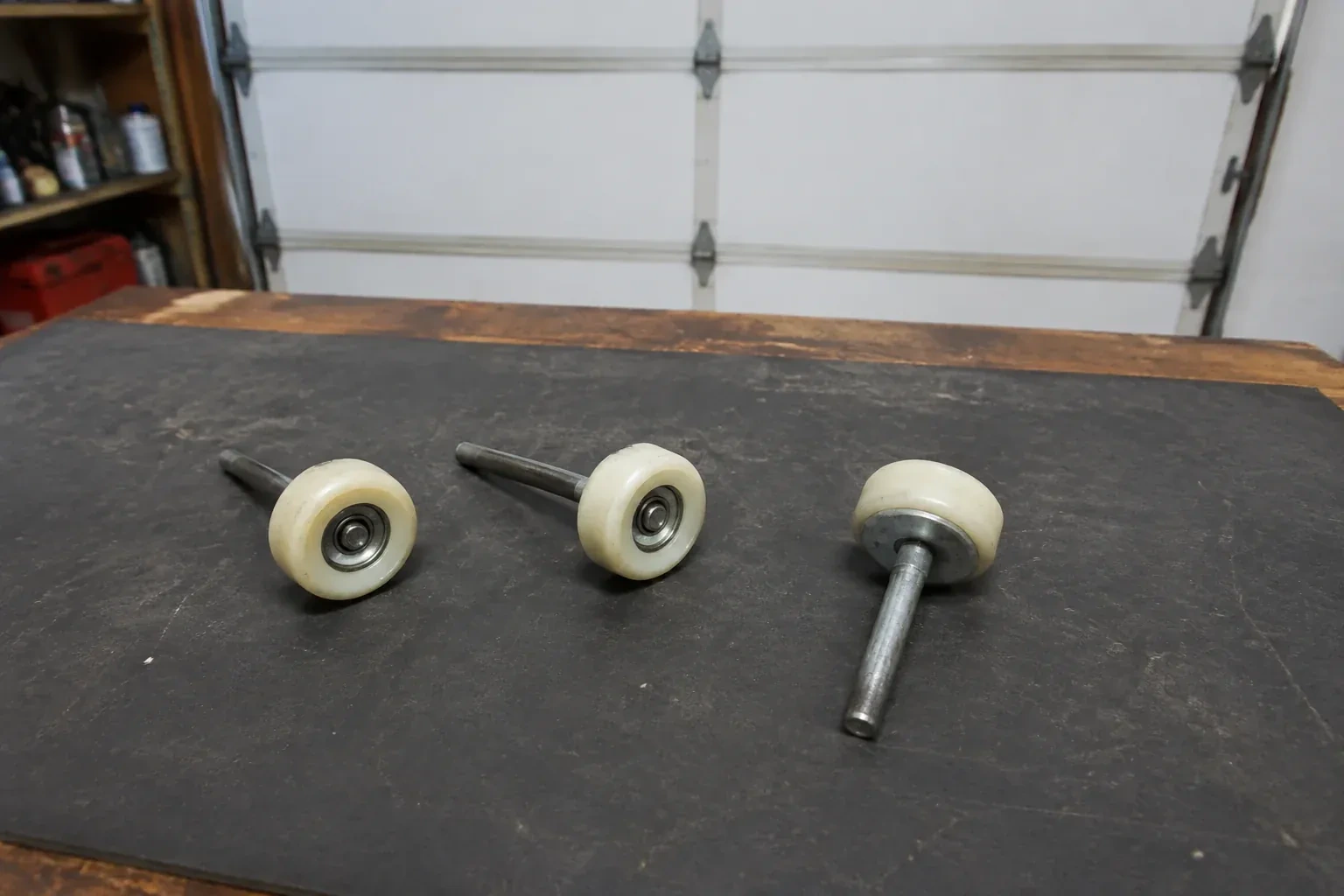
My door is heavy insulated steel. Which rollers suit it?
A heavier door needs rollers with a load rating to match, generally ball-bearing rollers rated around seventy-five to one hundred pounds each rather than the light plastic wheels many doors ship with. It often needs long-stem rollers at the double hinges on the end stiles, and the top rollers, which travel furthest under load, deserve the sturdiest in the set. Nylon with ten or more bearings suits most insulated residential doors; very heavy or commercial-weight doors may still call for steel.
How and how often is the rail lubricated?
On the interval the opener's own manual calls for, often every two to three years. With the power off, the old grease is wiped from the rail along the path the trolley travels, and a thin layer of white lithium grease is applied in its place. The door is then run a few times so the trolley spreads it. The door's own tracks, where the rollers run, are never greased; they stay clean and dry, and the rollers, hinges and bearings take a garage door lubricant once a year instead.
My opener has no sensors at all. Can they be added?
If the opener predates the entrapment-protection standard, which operators have had to meet since the mid-1990s, its board has no sensor circuit and a pair cannot simply be wired in. The positive news is that a modern operator brings the whole package: matched sensors, force reversal and a monitored circuit. The technician confirms the model first, because some units do have the terminals and simply had their sensors removed.
How is installation timing planned?
Timing is set after the door specification, site preparation, access and delivered components are confirmed. A straightforward opening and a project needing framing, electrical coordination or unusual track geometry have different sequences. The proposal should identify prerequisites and installation scope so the visit is scheduled around a ready opening and a verified door package.
Is a building permit needed for replacement?
A like-for-like door change and a project involving structural alteration are different situations. Enlarging an opening, combining bays, replacing framing, or completing work already covered by a permit can introduce municipal review. Ask the local building department about the specific scope, and keep its direction with the door selection and installation documents.
What routine care does the decorative finish need?
Care follows the selected surface. Factory-finished steel and many composite overlays generally benefit from mild washing with non-abrasive tools, while wood components may require coating attention at intervals described in their instructions. Keep a record of the finish name and approved care products. During cleaning, look over overlay edges, fasteners, glazing retainers and weather seals for visible changes.
Can one damaged pane be replaced later?
Many systems use replaceable glazing, but the method and available infill depend on the exact section design. Keep the model, section identifier, panel material, tint and frame finish in the handover record. A service assessment can then identify a compatible pane, gasket or complete section and plan safe support while glazing beads or frame components are handled.
Request a visit
A garage door is heavy and the springs carry real force, so the work in Midhurst is done the careful way: door clamped, tension released with proper bars, parts measured before they are matched, and the door run through complete cycles afterwards. Careful is not slow; it is simply how a heavy door should be treated.