New Doors · Phelpston
Commercial Rolling Door Repair in Phelpston
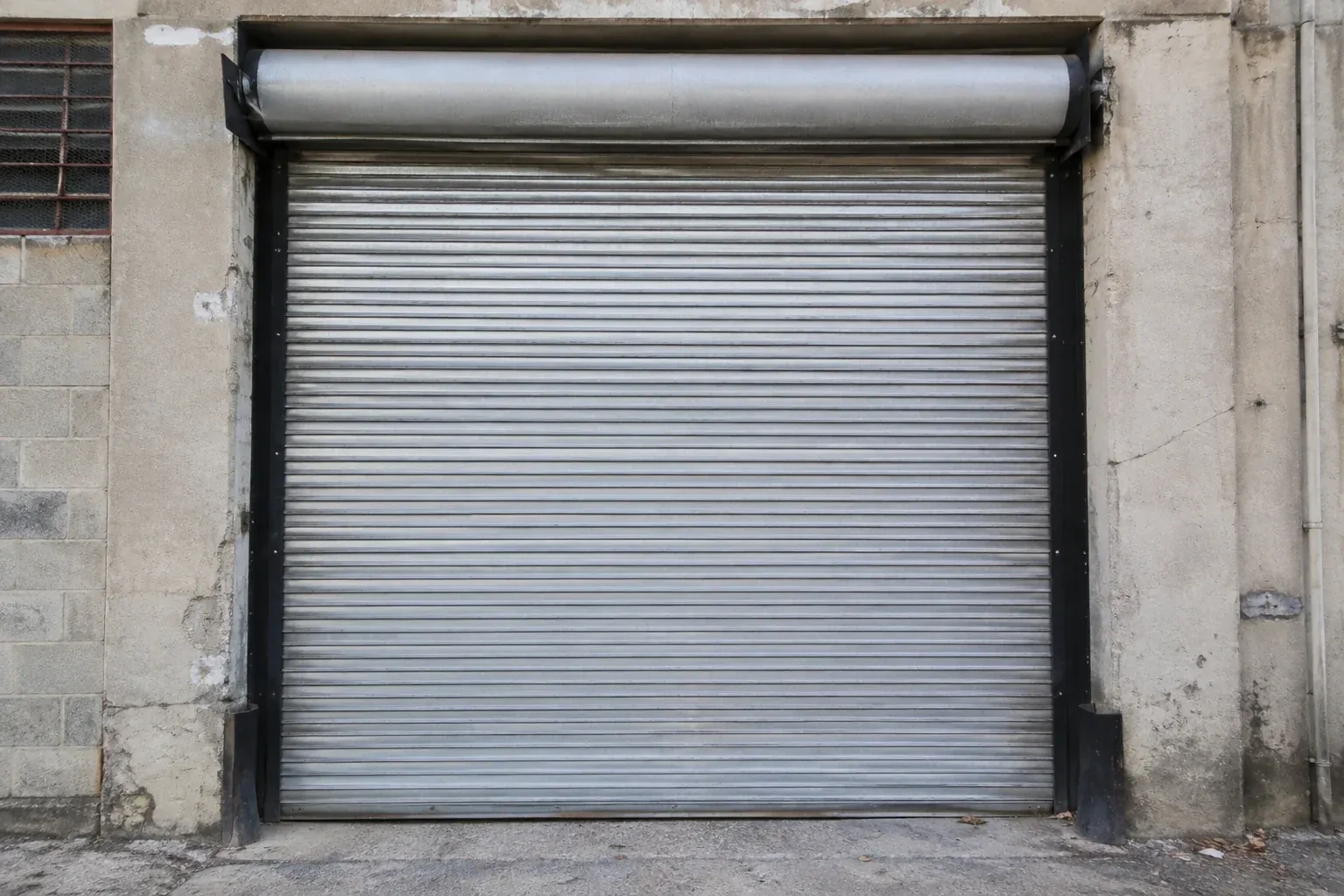
A metallic clatter now comes from inside the hood whenever the curtain coils.
In plain words
A labelled rolling fire door is both an operating door and part of a fire separation, so its identity shapes the repair. Labels, curtain construction, guides, release hardware and the closing path are recorded before component choices are made. Parts and procedures must suit the listed assembly, while inspection, release testing and documentation remain visible in the scope. The normal operating function is checked alongside the applicable fire-door sequence. This produces a repair record the facility can retain with its fire-safety information and keeps unrelated alterations from being folded casually into routine rolling-door work.
How the visit goesA lift truck clipped the lower curtain during unloading. Now two slats are bowed, an endlock catches halfway up, and each attempt to cycle the door pulls the damaged section farther toward one guide.
Commercial Rolling Door Repair
How the visit goes
Control both sides of the opening
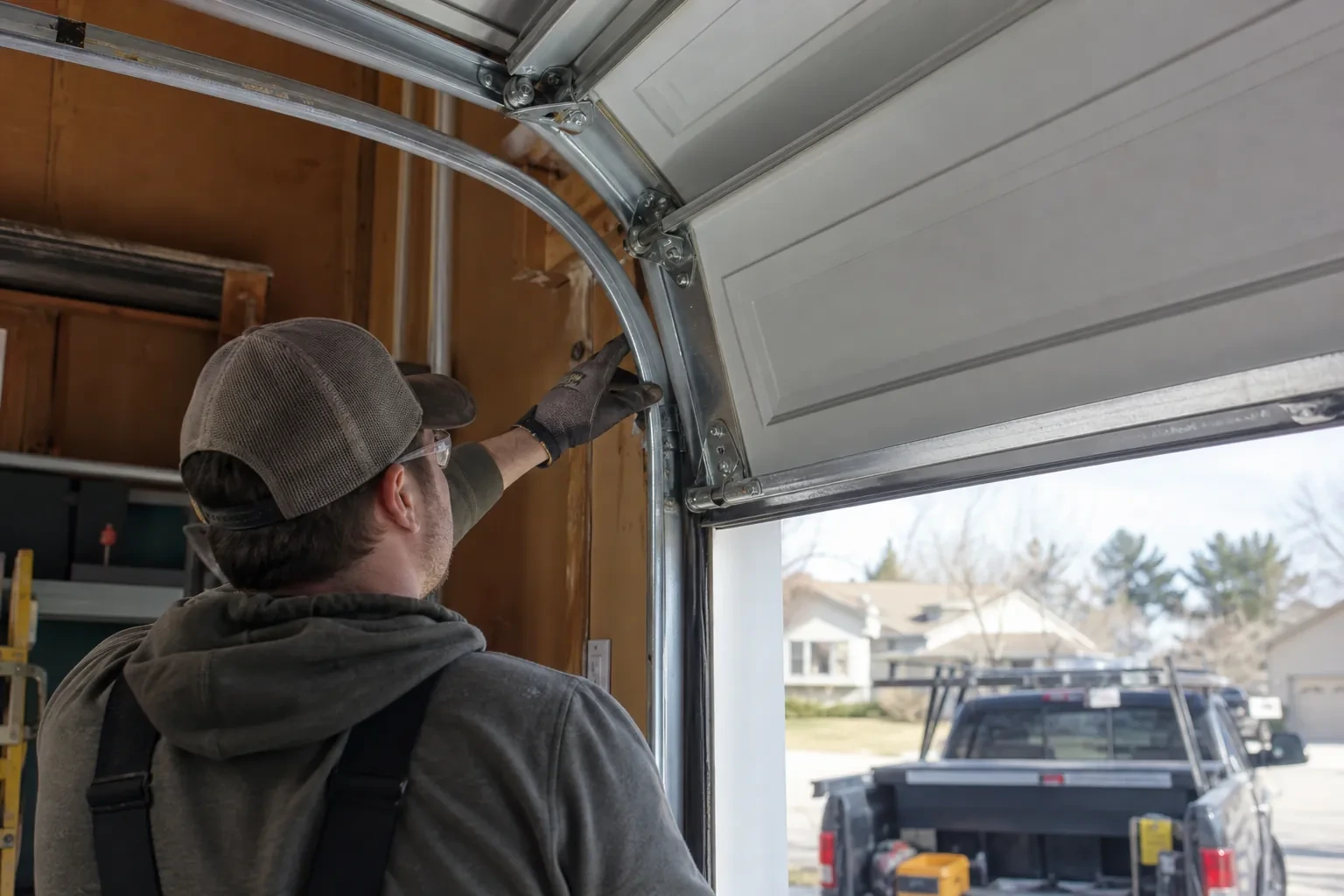
A commercial doorway joins two active work areas, so assessment begins by making the space predictable. Vehicle routes, pedestrian paths, stacked goods and scheduled deliveries are identified on the inside and outside. The control station and electrical disconnect are located, and the curtain's current position is considered before anyone approaches the guides or hood. Barriers and a site contact keep movement coordinated while inspection is underway. With the traffic area settled, the technician can observe the door deliberately and secure it in the position needed for measurements instead of working around changing facility activity.
Correct counterbalance and barrel issues
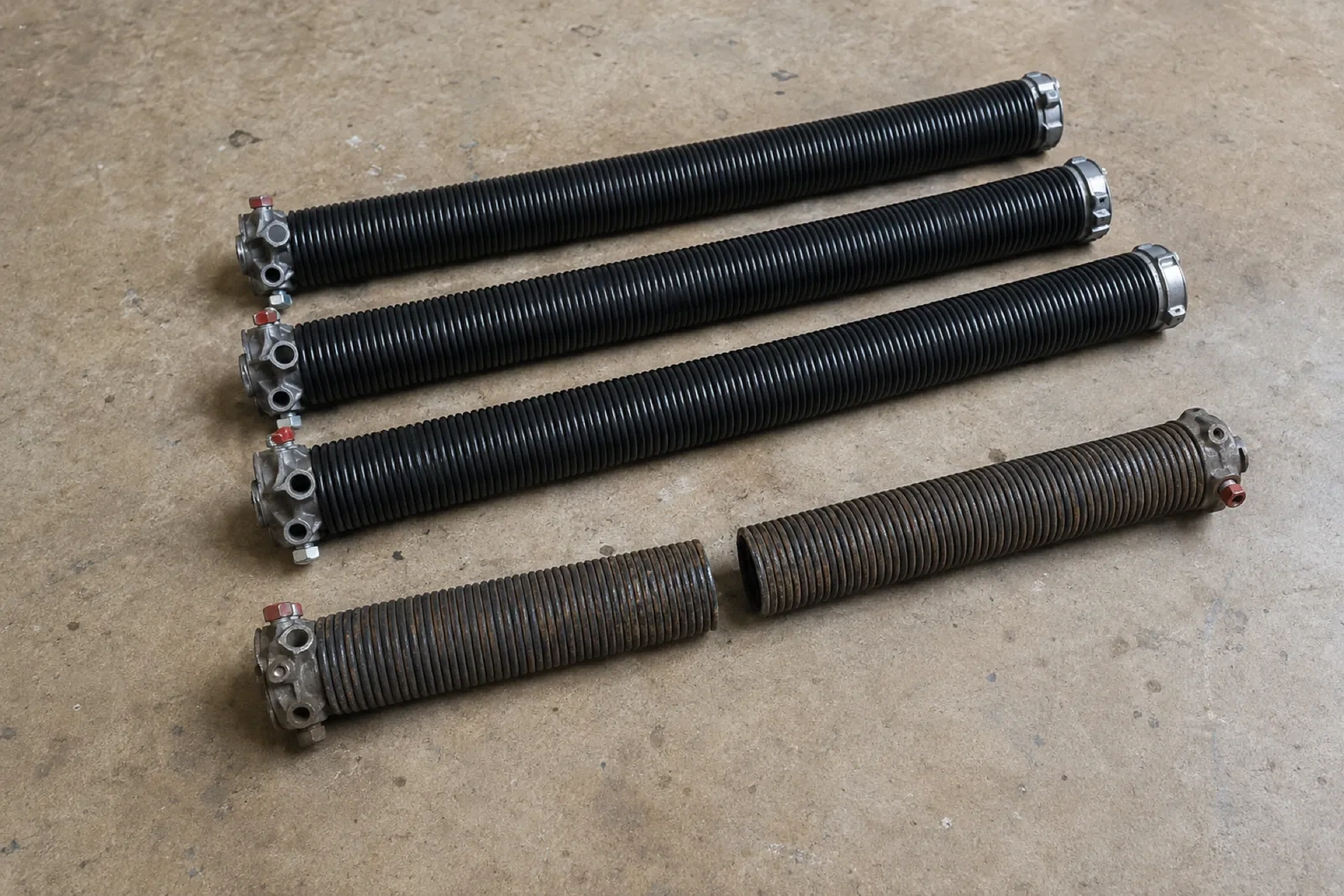
Barrel work is performed with the curtain secured because the internal or connected springs hold substantial tension. Bearings, brackets, shafts, tension wheels and fastening points are addressed first so the assembly has stable support. Spring adjustment follows the identified door procedure using proper winding bars and controlled increments, with operating effort checked between changes. The aim is balanced travel across the full opening, not a setting that merely feels light at one position. Drive sprockets, keys and roller chain are aligned and secured as part of the same mechanical path before power is returned.
Controls with clear, separate functions
The handover distinguishes the wall station, key control, access input, photoelectric protection, sensing edge and any vehicle-detection accessory. Each device is demonstrated according to its role, and staff see the applicable response during a controlled test. Sensor lenses remain visible and clean, cables stay protected, and stored materials are kept outside the beam path. Private access codes are retained by the facility rather than written in a service record. With the functions separated clearly, a blocked beam can be handled as a housekeeping clue while an unusual operator response can be reported with useful detail.
Commercial Rolling Door Repair
In the van
Sensing edge and controls
Barrel and headplate brackets
Windlocks and curtain fasteners
Curtain slats and endlocks
Counterbalance spring assembly
Commercial Rolling Door Repair
What affects the quote
Traffic-control requirements
Loading schedules, pedestrian routes, lift-truck lanes and access to both faces determine how the work zone is maintained. Facility support and alternate routing form part of the service plan.
Manual drive components
Direct push-up operation, a hand-chain hoist or another manual drive has its own chain, wheel, reduction and keeper parts. Wear and accessibility determine the tasks included.
Electrical and structural coordination
Supply faults, building wiring, damaged framing or uncertain anchors may involve another responsible trade or professional. The rolling-door quote separates that coordination from authorised door-system tasks.
What to have ready
- Was there a recent vehicle, pallet or forklift impact?
- Can both sides of the opening be cleared for work?
- Are any indicator lights showing on the operator or controls?
Commercial Rolling Door Repair: questions
QuestionsWill operations have to stop around the doorway?
The opening and its adjacent traffic area need to remain controlled during inspection, repair and test cycles. Facilities often route people, lift trucks and deliveries through another path while that work is active. Planning around shipping periods, stored goods and access to both faces of the door helps define a workable service window and equipment setup.
How is a rolling fire door repair different?
A labelled fire door is a closure in a fire separation, so labels, listed construction, compatible components, release hardware, clear closing path and required records shape the work. Routine operating repair and specialised fire-door inspection or release testing are defined explicitly. Substitutions are based on assembly information rather than appearance or approximate fit.
Why is there a grinding or clattering sound near the hood?
Noise at the head can come from worn barrel bearings, loose brackets, misaligned drive chain or sprockets, shifting slats, an uneven coil or hardware contacting the hood. The pattern matters: once per revolution suggests something different from continuous guide scrape. Controlled observation locates the source before a specific part is selected.
Related services
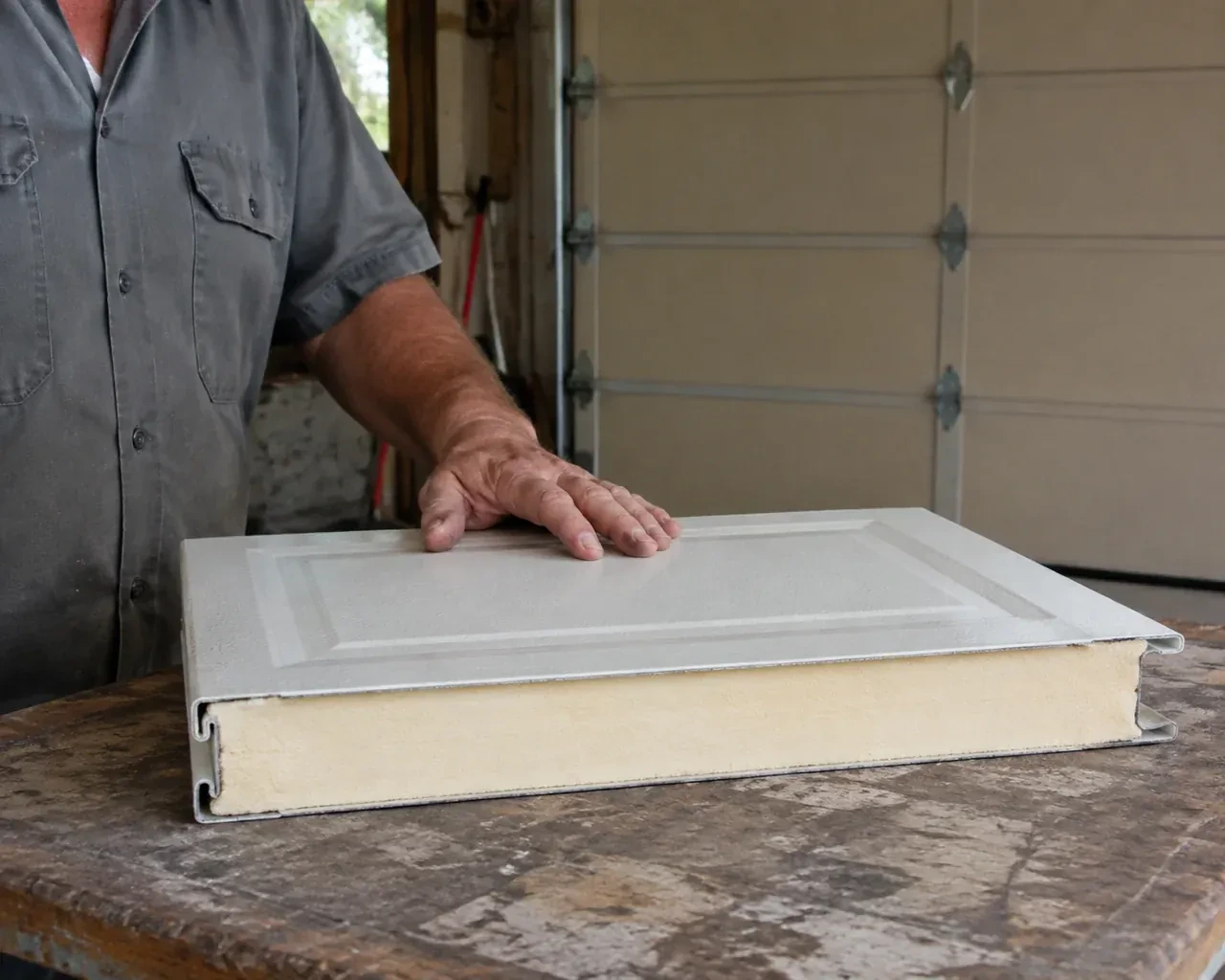
- Insulated Steel Garage Door InstallationA refreshed exterior has made the faded garage door stand out.
- Wind-Rated Garage Door ReplacementYour building designer has supplied positive and negative pressure values for the garage opening.
- Carriage-House Garage Door InstallationYour garage door works, yet its broad plain panels feel disconnected from the brick, gables and entry details around them.