Garage Doors in Minesing, OntarioBikes, strollersand a door that behaves.
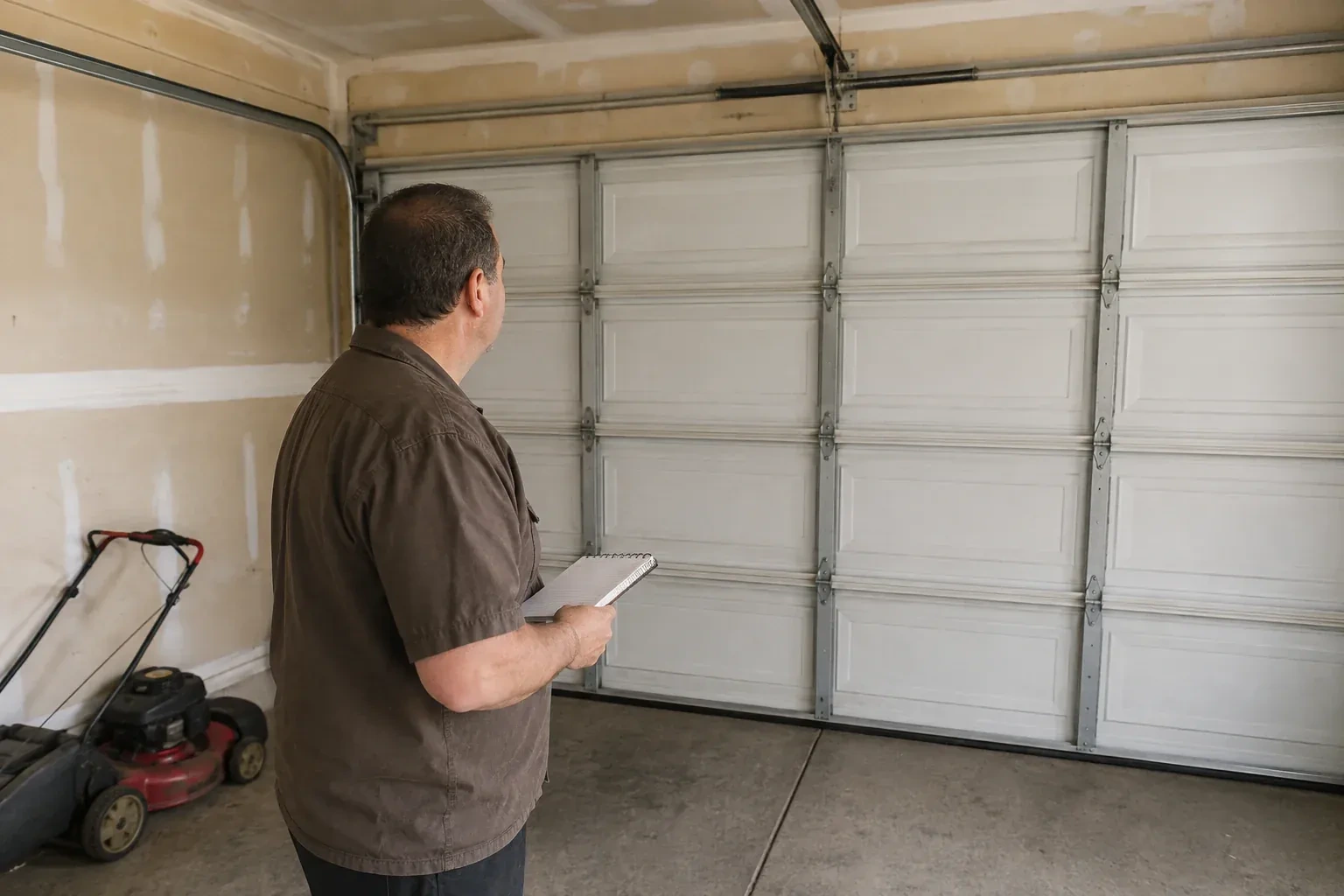
Family garages in Minesing are busy places, with kids ducking under the door and a bike wheel always somewhere near the track. We set the auto-reverse so it trips on a light touch, aim the photo-eyes properly, and make sure the door closes fully every time so the house stays secure behind it. Calls from Edenvale, Essa, Grenfell, New Flos, Strongville and Vigo are covered too.
Family garages in Minesing are busy places, with kids ducking under the door and a bike wheel always somewhere near the track. We set the auto-reverse so it trips on a light touch, aim the photo-eyes properly, and make sure the door closes fully every time so the house stays secure behind it. Calls from Edenvale, Essa, Grenfell, New Flos, Strongville and Vigo are covered too.
Explained before, tested after.
We keep the van stocked for Minesing so a single visit covers most repairs, and we book a time you can hold us to rather than a window that swallows your morning. If a part must be ordered, you hear that on the spot, along with when the second visit will be.
Businesses in Minesing depend on their doors more than they think about them, until one stops. We service rolling steel doors, sectional commercial doors and the heavy-duty openers that run them, keeping the right hardware on the shelf so a service call finishes the job. For homes in the area, the same technicians handle residential repairs and installations with the same care.
13years in business
24/7open every day
Nothing hidden. Every part we replace, you can see. Every adjustment, we explain. If we find something unexpected, we stop and tell you before continuing.
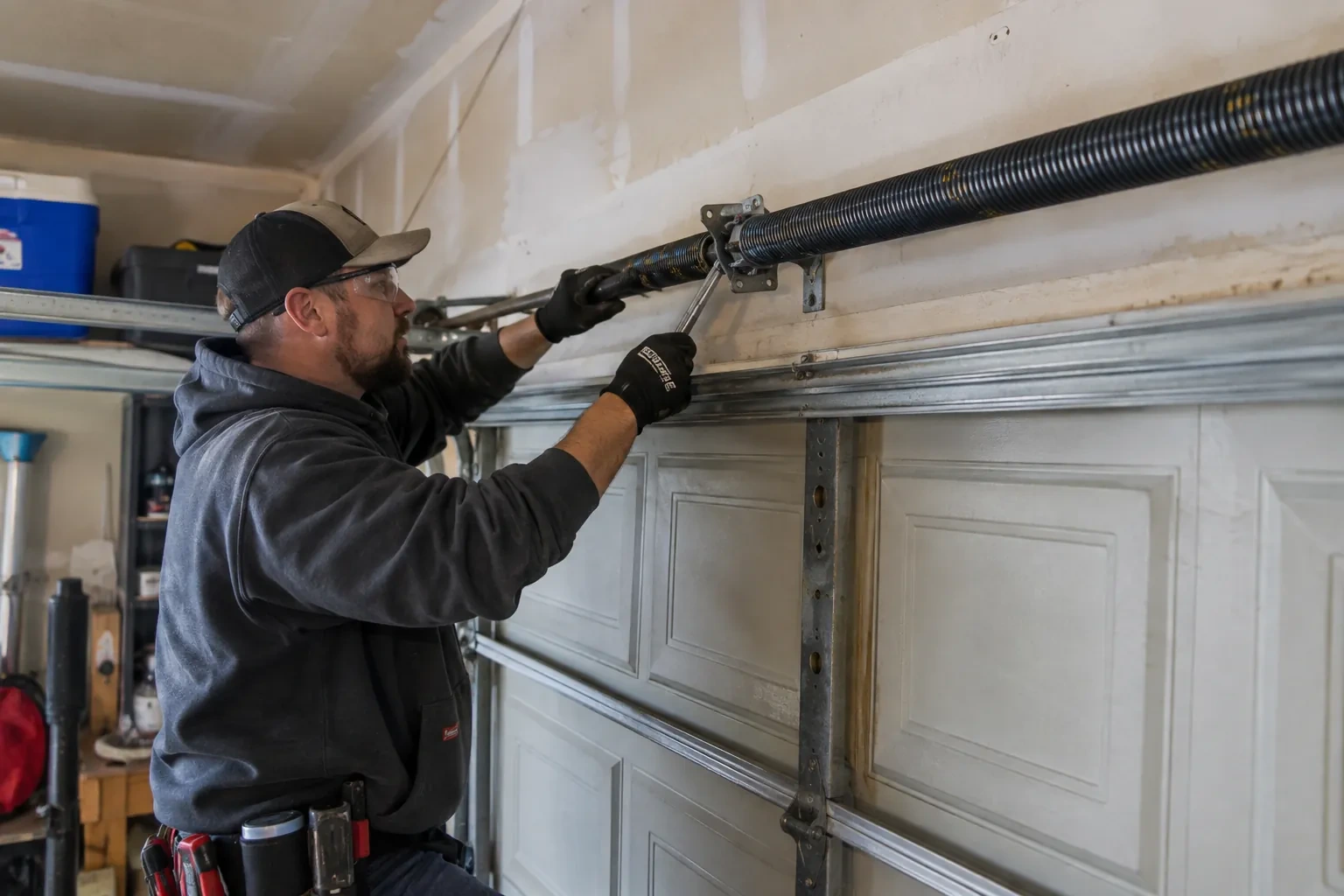
Care with heavy parts. Springs and cables are handled with the right tools and a steady method, and the door is secured before any tension is released.
Clear about what comes next. Before we leave, you know what was done, what to watch for, and when the door might want attention again.
Get your Minesing garage door looked over properly.
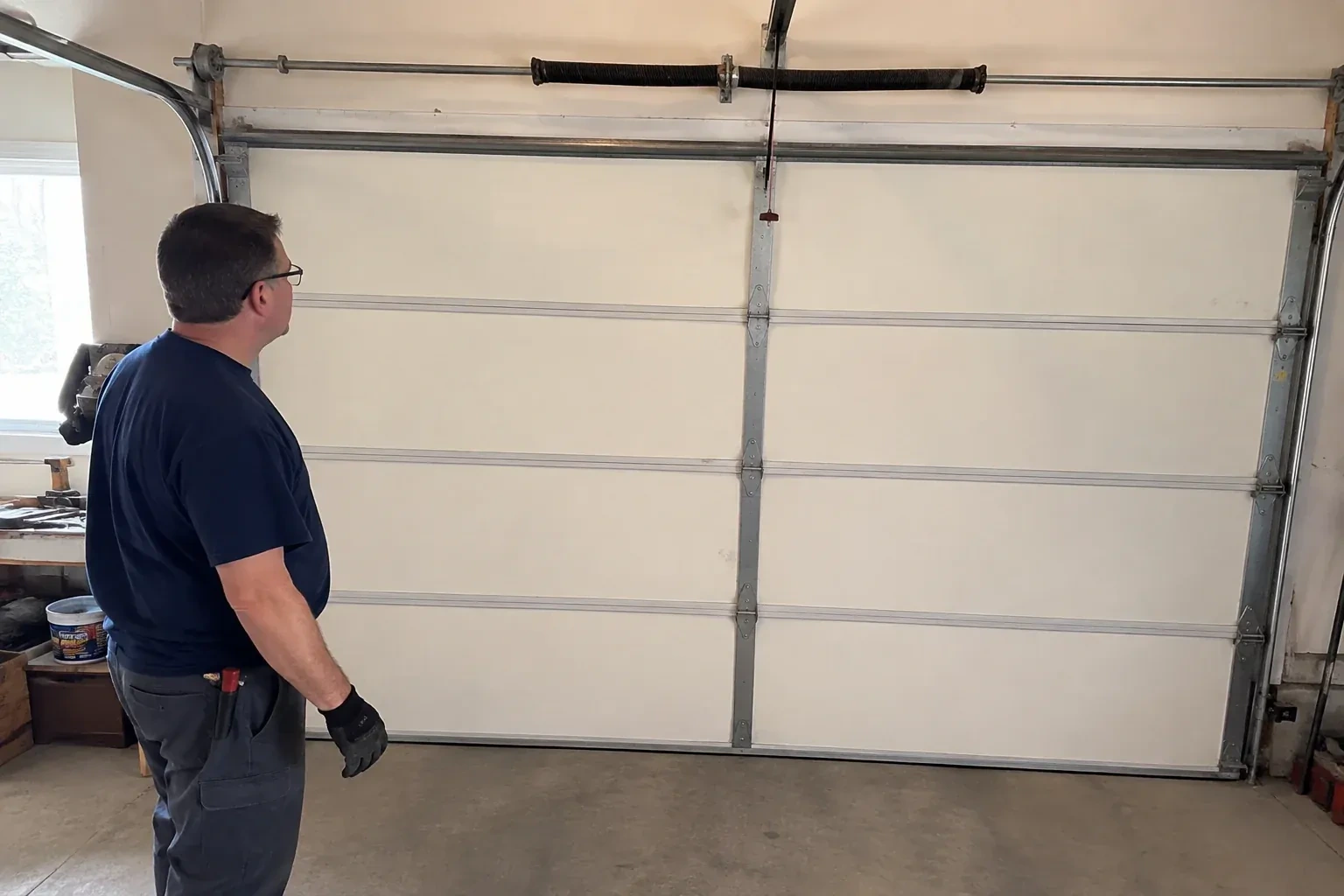
Garage door work for Minesing divides neatly into what we fix, what we replace and what we install. We fix tracks, hinges, openers and panels; we replace springs, cables, rollers, seals and sensors; and we install new doors, new openers and access equipment such as keypads and smart controllers.
About 38% of homes in Springwater were built in 1980 or earlier, according to the 2021 Census.
In a mixed neighbourhood, some garages are detached with plenty of side room and others are tucked under a bedroom with little headroom, so opener and spring choices vary from house to house. Measuring at the door, rather than assuming, is how the right hardware is chosen.
Single-detached houses make up about 93% of homes in Springwater (2021 Census).
Mostly houses
Where most homes are single-detached, nearly every property has its own garage door and its own opener, and the homeowner makes every decision about it. That makes for straightforward visits: one door, one owner, and a repair or replacement chosen at the house without anyone else to consult.
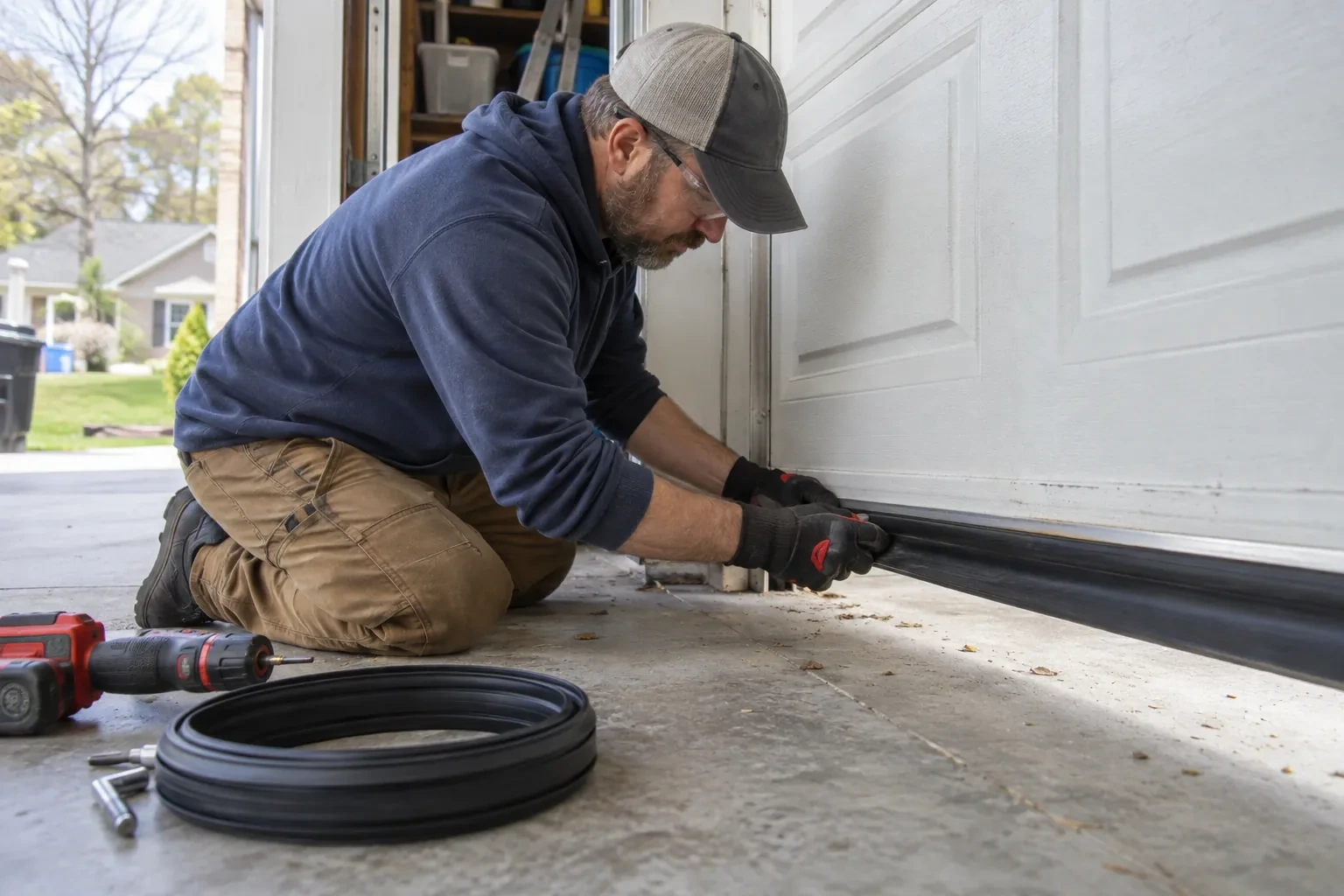
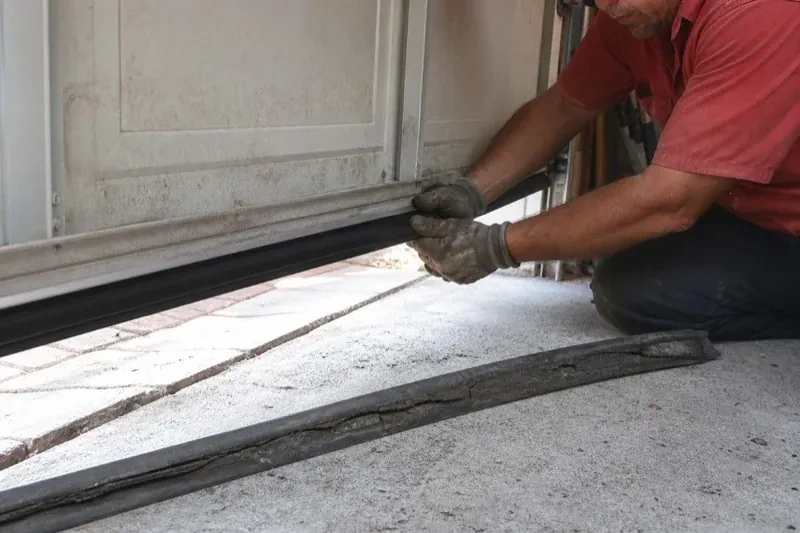
On windy nights the door rattles in its frame, there is a line of daylight along one side, and the bottom seal has gone hard and flat. Leaves and fine snow drift in underneath and the garage never seems to hold its temperature.
The morning after a thaw the opener groaned, the door stayed stuck to the icy floor for a second, then lurched up crooked. It stopped halfway with a grinding scrape and has not moved since.
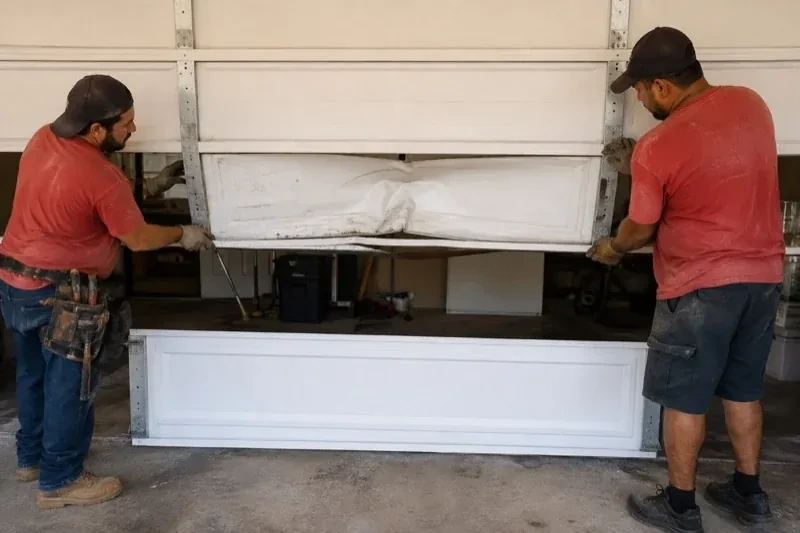
The top section has developed a bend where the opener arm pulls on it. On the way up it flexes visibly, the door hesitates near the top of its travel, and daylight shows through the joint below it when the door is closed.
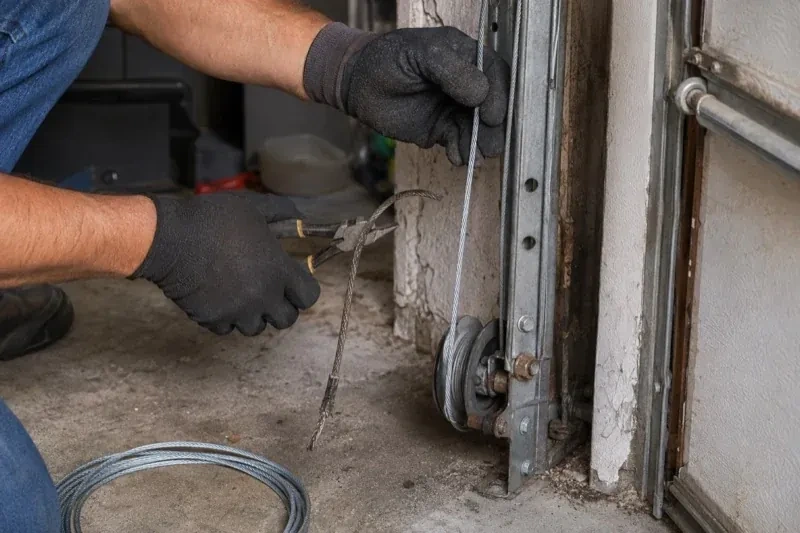
The car bumper kissed the door on the way in. The bottom panel has a dent, the bracket in that corner sits crooked, and the cable on that side has jumped and gone slack, so the door reverses every time it tries to close.
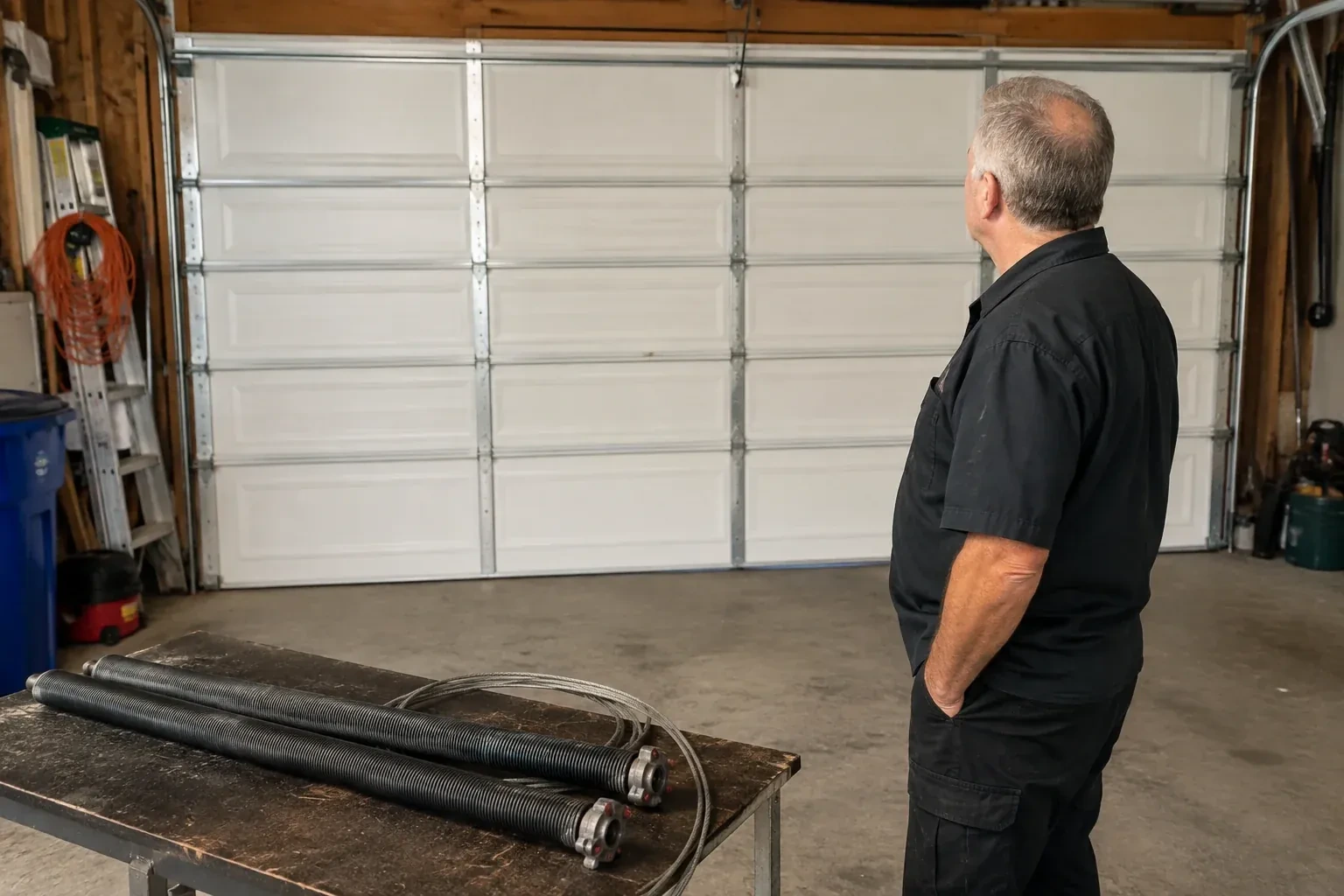
On a cold morning the remote does nothing useful: the light comes on, the motor turns briefly, the door stays shut. There may be a fresh crack in a rusty coil, and flakes of orange on the floor below the shaft.
After the power came back you pulled the red cord to get the car out. Since reconnecting, the door stops short of the floor, and no amount of turning the limit adjustment brings it the rest of the way down.
It is February. You come down in the morning and the garage door has stood open all night; the car is frosted inside, the furnace has run without a pause, and the pipe in the shared wall is your first worry. Nobody knew, because nothing told anyone.
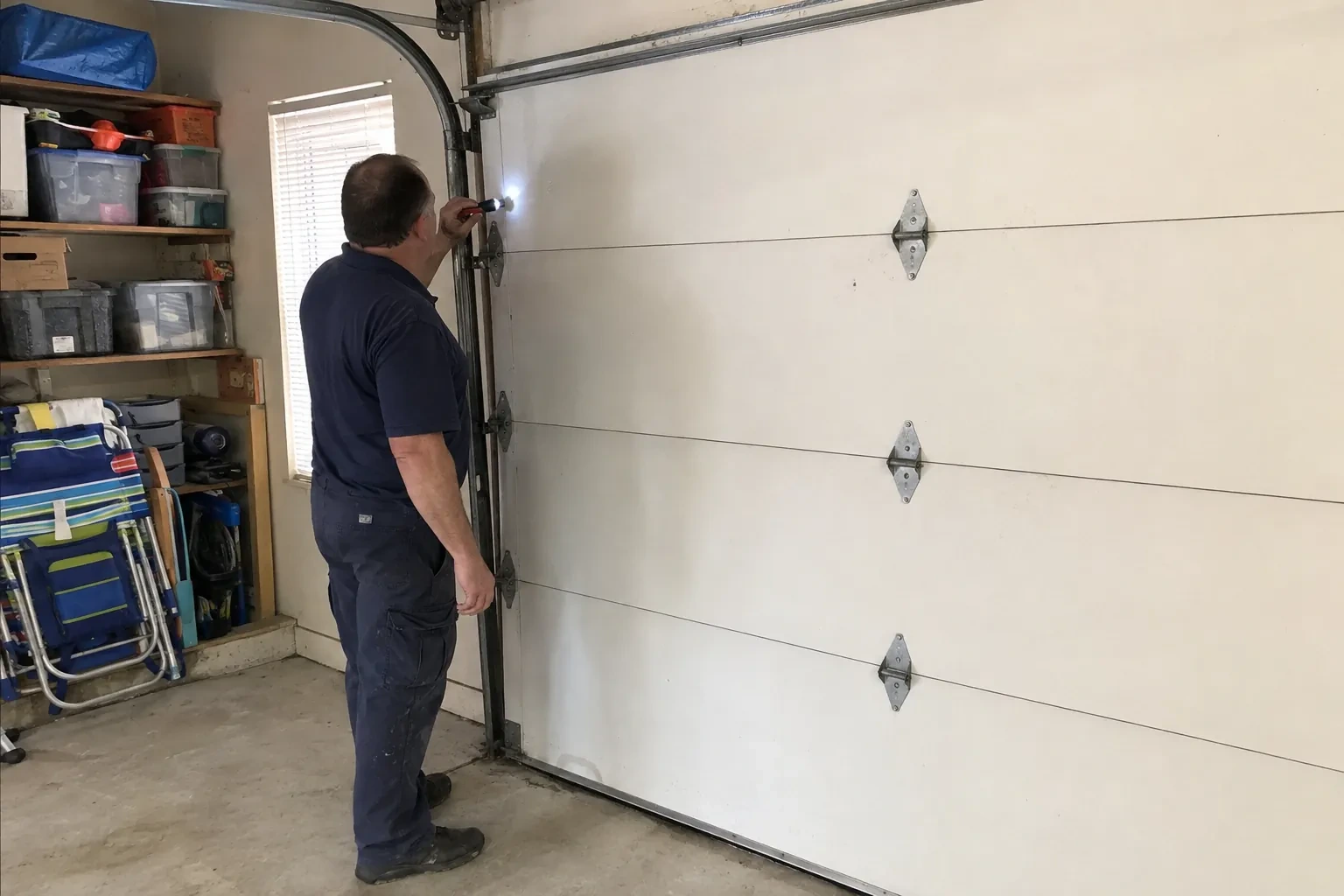
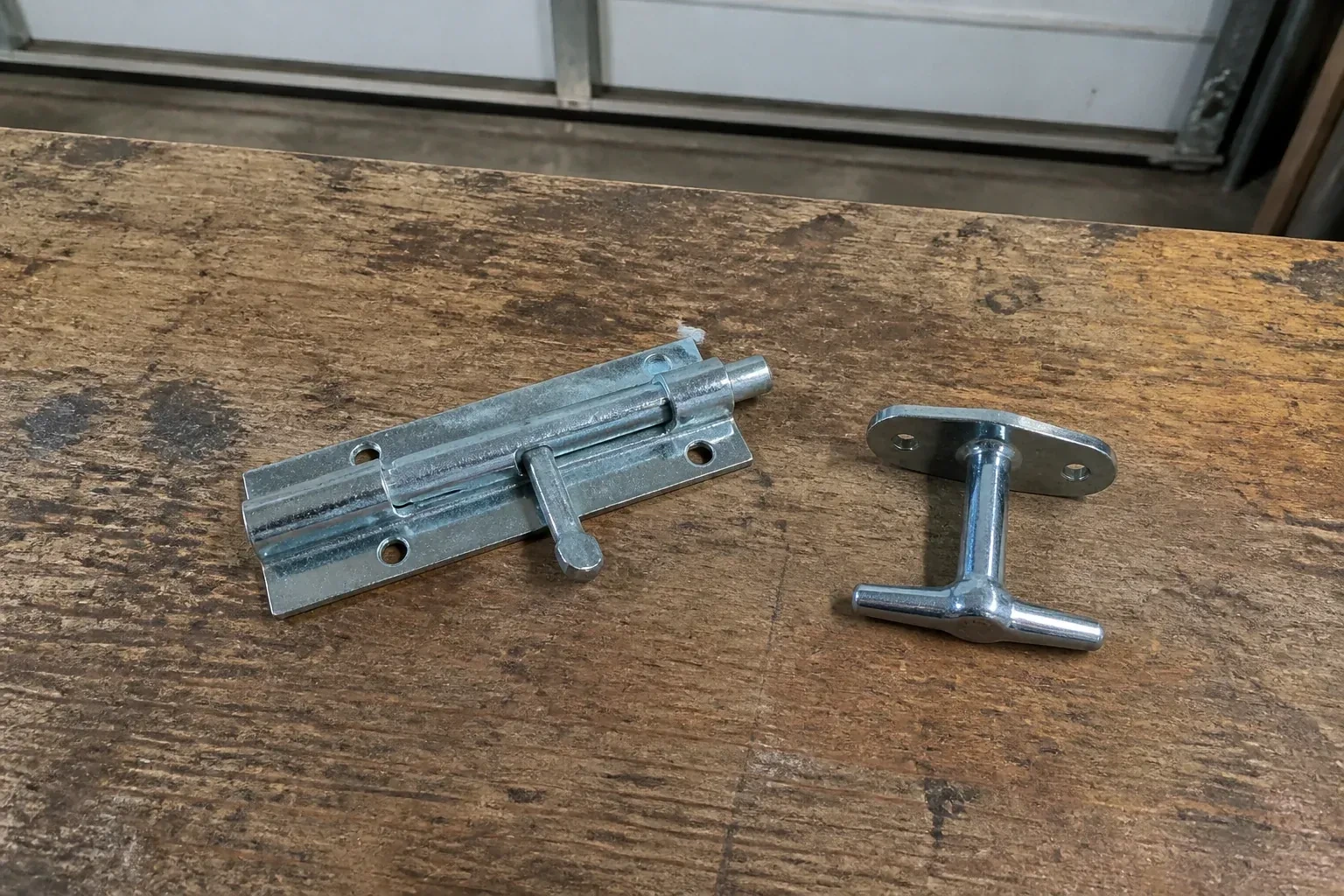
A previous owner knotted the release cord around the rail and stacked storage shelves right beneath it. You only discovered this in the dark, with the power off, a flashlight in your teeth and a car that needed to be somewhere.
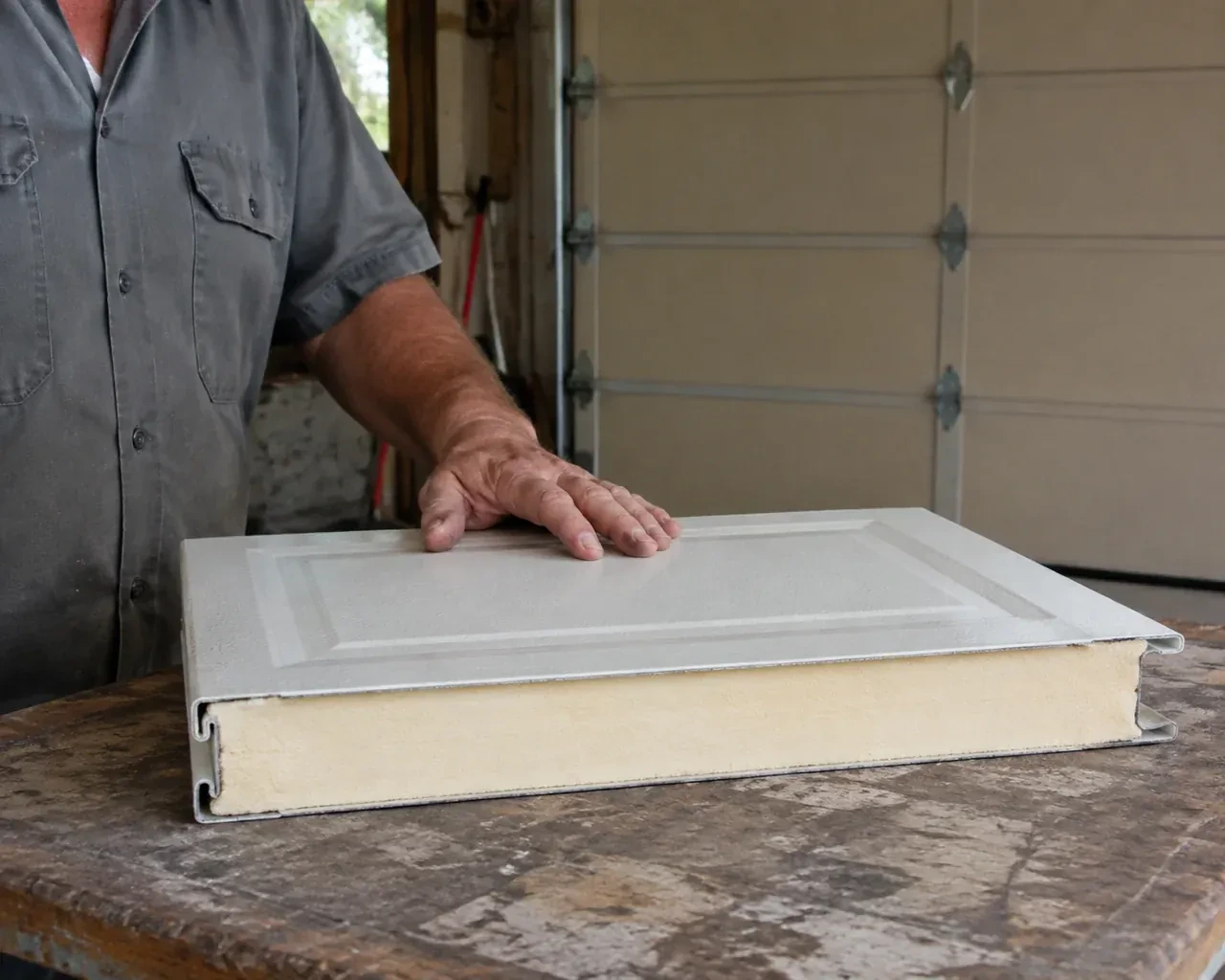
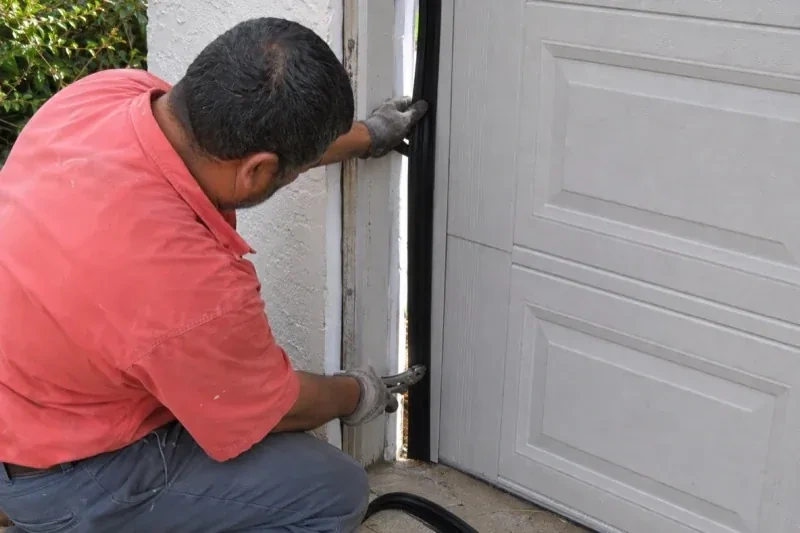
Daylight appears beside the closed door and powdery snow collects just inside after windy weather. The sections still move, but worn perimeter seals and an uneven floor leave the garage exposed.
Power and low-voltage wiring are being roughed in while the garage is open. The operator location, ceiling supports, wall control and photoelectric sensors need to align with the door before finishes close everything in.
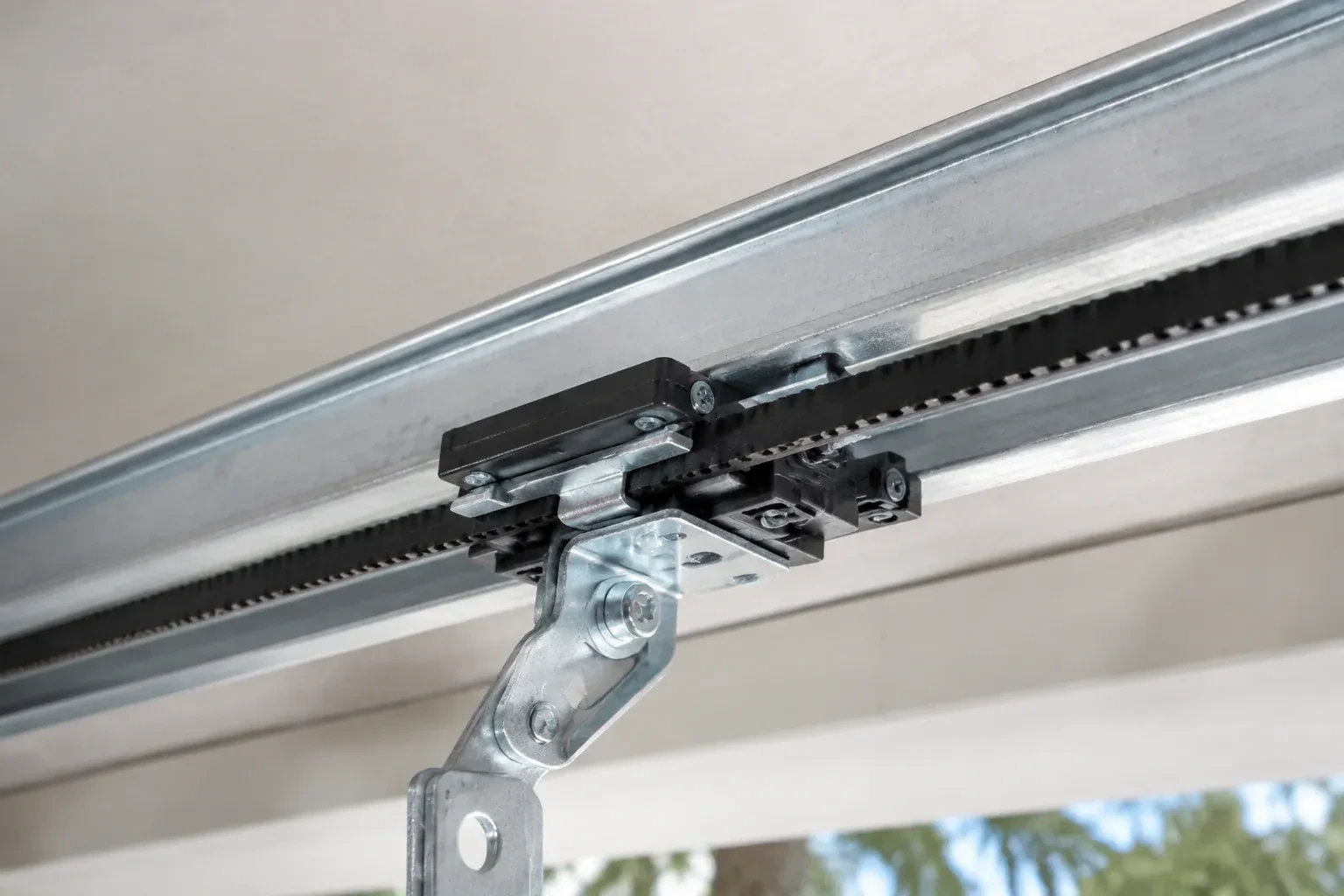
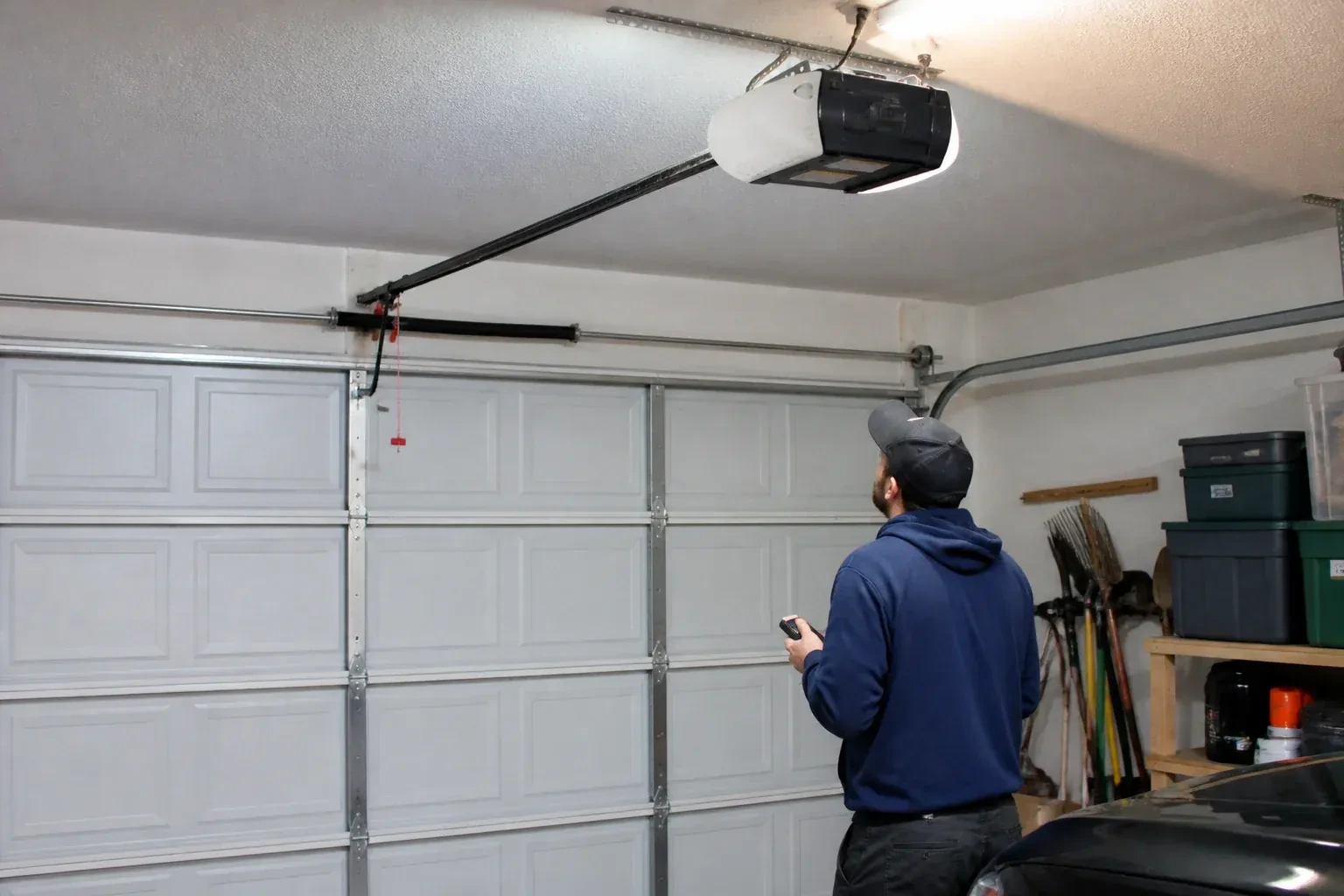
The door used to glide up with a soft hum. Now there is a sharp clack every second or so, and if you stand underneath you can see the belt sagging below the rail and slapping it on the way up.
Since the storm the door behaves oddly: it reverses halfway down for no reason, the light flickers, and the travel limits drift so it either slams or stops short. The board inside is discontinued and the last repair only bought a few months.
The door will only go down while a finger stays on the wall button; let go and it stops or reverses. From the remote it opens fine but never closes, so someone has to stand in the garage every time.
A smart hub arrived in the mail with a coin-cell sensor and two wires. The instructions ask what colour your learn button is and how old the opener is.
Since the new door went in, the red handle has hung just below the ceiling, a stepladder's height above anyone in the household. During last week's blackout your daughter stood under it with a broom, unable to hook it down.
Which fix fits?
On windy nights the door rattles in its frame, there is a line of daylight along one side, and the bottom seal has gone hard and flat.
WhyFor a household here, the most valuable feature is often the simplest: a message that says the door has been open for ten minutes on a January night.
A previous owner knotted the release cord around the rail and stacked storage shelves right beneath it.
Two tests, once a month. With the door open, press close and wave a broom handle through the photo-eye beam near the floor: the door should stop and go back up. Next, set a 2x4 flat on the concrete in the middle of the opening and press close: the door must reverse when it meets the board. If it stops on the board without reversing, the down travel or force setting needs adjustment, and if it fails after that, book a visit.
How is a reset different from a track repair?
In a reset the rail is sound and the work is putting rollers, cables and sections back where that rail expects them, with minor alignment corrections. In a track repair the rail itself is the problem and must be straightened, re-hung or partly replaced first. One visit can include both, and the technician tells you which you need after looking at the door rather than guessing from the description.
How much room do you need in the garage on the day?
Enough to bring the new section in, lay it flat, and work at both tracks and the spring shaft. Moving vehicles out of the garage and clearing a metre or two along the walls where the tracks run makes the job smoother, as does clear access to the opener and the ceiling around the spring. Sections are handled by two people and are wider than the door opening, so a clear path from the driveway helps.
Why is the door sitting crooked in the opening?
Each corner of the door is held by its own cable. When one cable stretches, slips its drum or breaks, that corner loses its lift and drops while the other stays up, so the door tips and usually wedges against the track. Setting both cables to the same length and tension is part of every cable replacement, and it is what brings the door back level.
Will the new spring look the same as the old one?
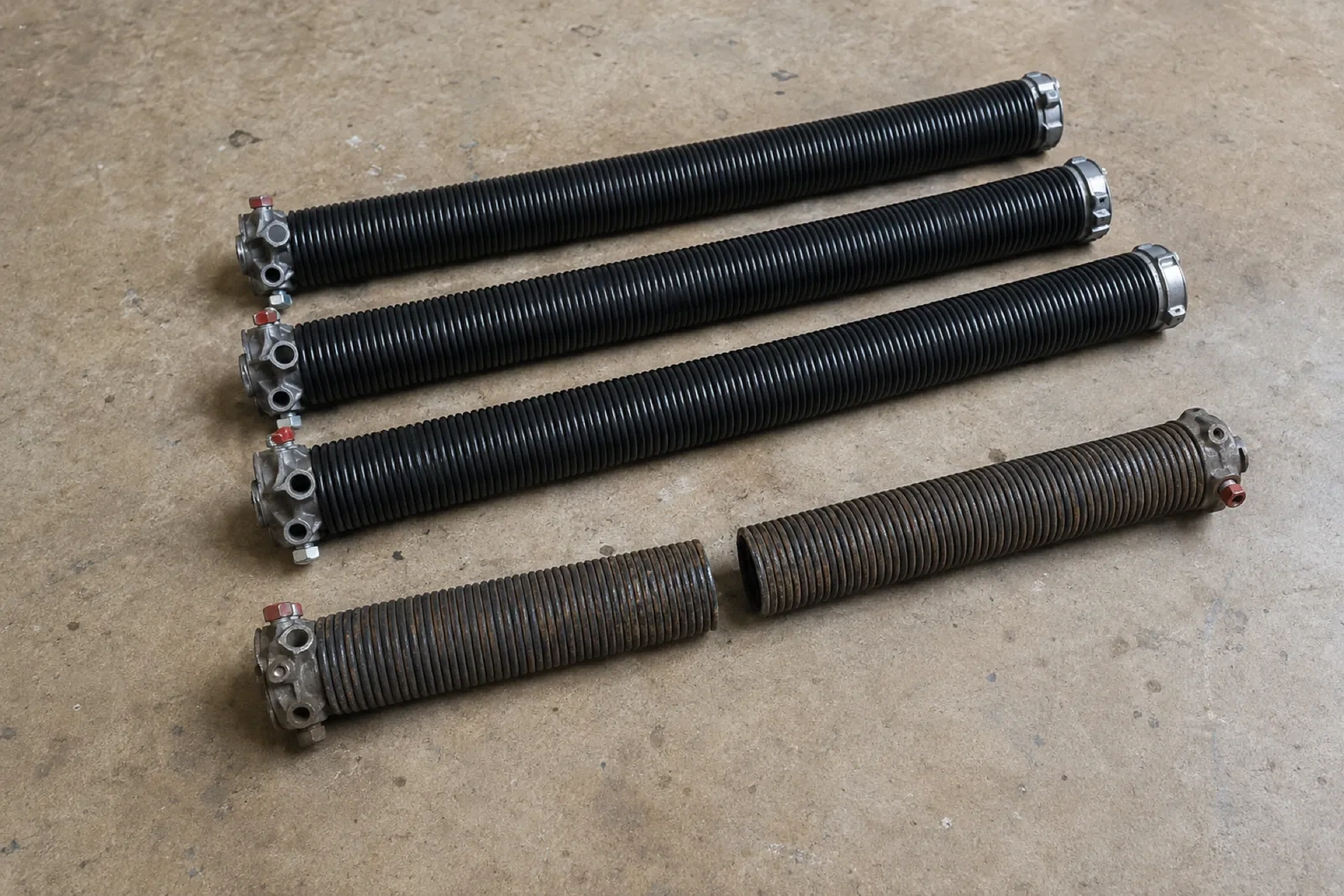
Not necessarily, and that is fine. The paint colour on the winding cone or coil is a code that identifies wire size and wind direction, and different suppliers use their own schemes, so a matched replacement can carry a different colour than the spring it replaces. What matters is that the wire size, diameter, length and wind direction suit the door's weight and height, which is confirmed by the balance test.
What is the idler pulley and why does it squeal?
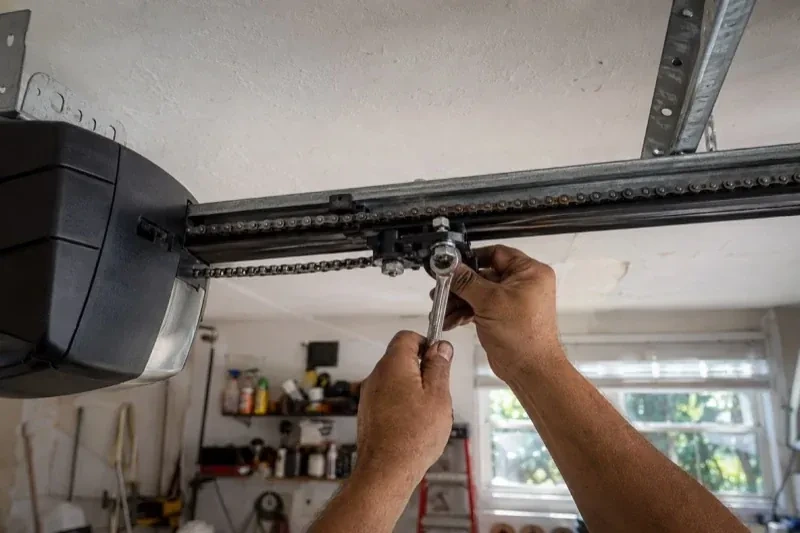
It is the wheel at the header end of the rail that the belt wraps around on its return. It spins on a small bearing, and when that bearing dries or fails the pulley squeals on every cycle and can let the belt wander to one side and fray. Replacing the pulley is a modest job done with the belt slack, followed by re-tensioning.
The previous owner's controller is still on the ceiling. Can I use it?
Usually, once it is released from their account. If the seller can be reached, they remove the device from their app; if not, the technician performs a factory reset using the maker's documented steps, which clears the old registration. The hub and sensor are then paired fresh, joined to your network and claimed under your own login, and the battery and sensor placement are checked rather than assumed.
Would battery backup mean I never need the release?
It covers most outages: the battery opens and closes the door on stored power, so the release stays on its hook. It is a wearing part that needs replacing every few years, and a status light or beep tells you when. The release is still the fallback for a flat battery or an opener that has itself failed, which is why the two are checked together. Many households on outage-prone streets keep both in working order.
How do I operate the door during a power outage?
At handover, the installer demonstrates the operator's emergency release and the safe handle or gripping point for manual movement. The exact sequence follows the operator instructions. Once released, a balanced door can be raised and lowered by hand with controlled effort. Reconnection is also shown, and remotes are kept aside until the mechanism is properly engaged again.
Which documents should stay with the completed door system?
Keep the door and operator manuals, model or component identification, approved selections and any relevant drawings with the building records. The closeout note can include door size, track arrangement, counterbalance type, controls and completed commissioning checks. Private access codes remain with the owner rather than in a general service file. These records make future maintenance and compatible part identification much more straightforward.
Request a visit
We keep the van stocked for Minesing so a single visit covers most repairs, and we book a time you can hold us to rather than a window that swallows your morning. If a part must be ordered, you hear that on the spot, along with when the second visit will be.