Repairs · Phelpston
Garage Door Perimeter Weatherstrip in Phelpston
The vinyl strip around the door used to be soft and white.
In plain words
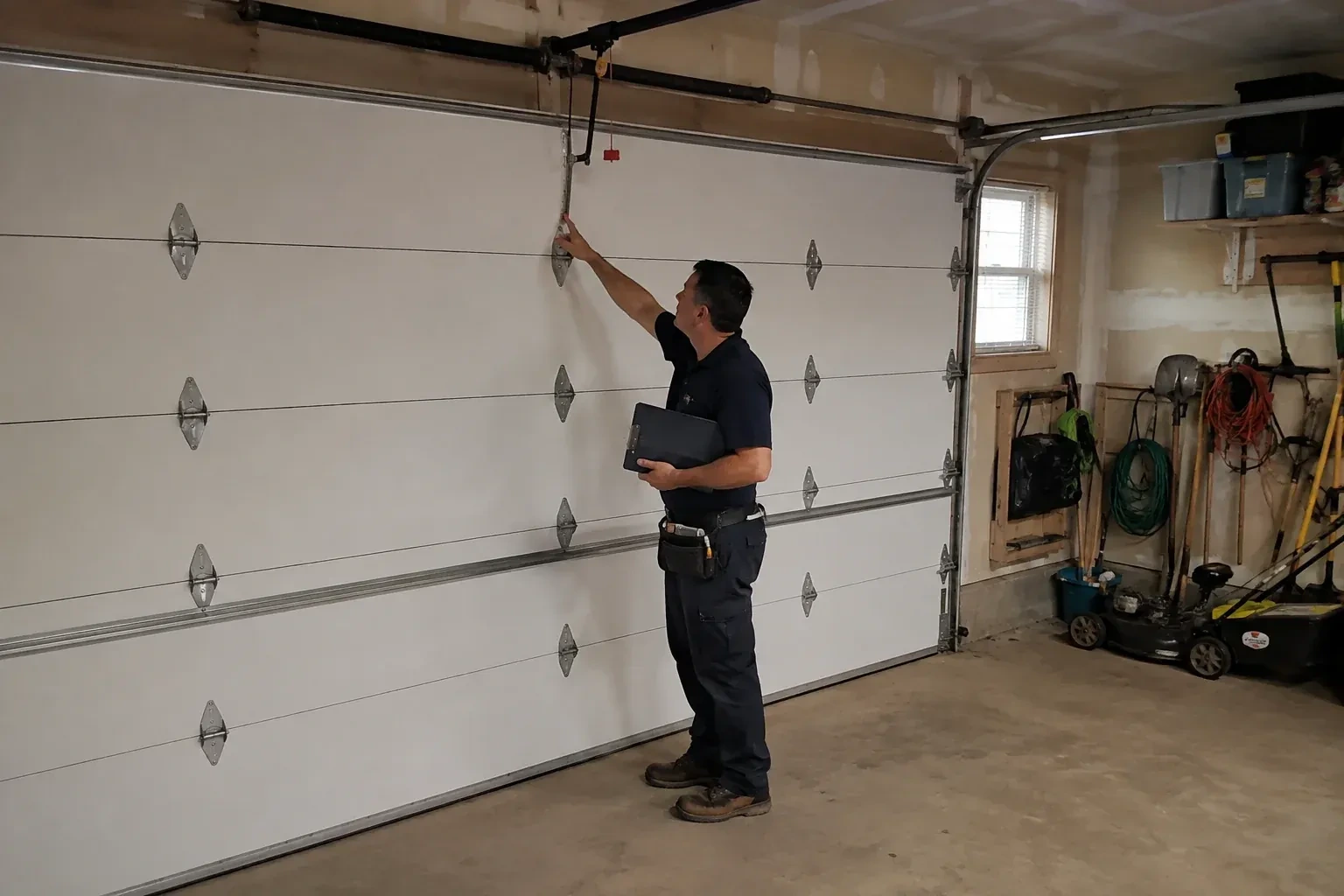
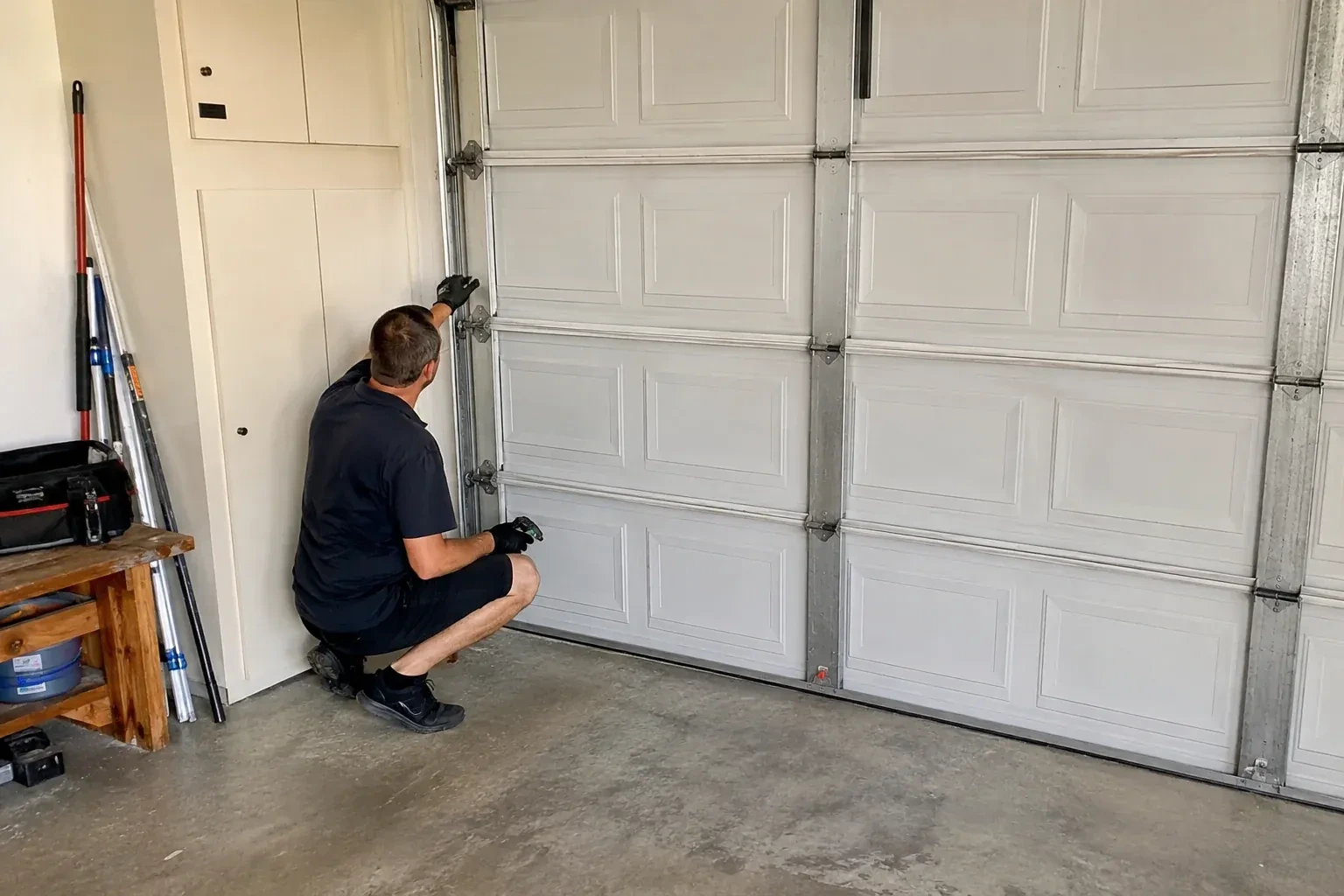
A perimeter seal is only as good as the door it meets, so a technician looks at the door before the seal. If one side shows daylight and the other is tight, the strip may be fine and the door may have drifted: worn rollers, a track bracket that has moved, a top section that bows away from the header. Setting that right first means the new fin can be positioned with the same light contact on every side. Where the door is already square, the seal is fitted straight to it. Either way the result is a door that closes against a continuous line of contact.
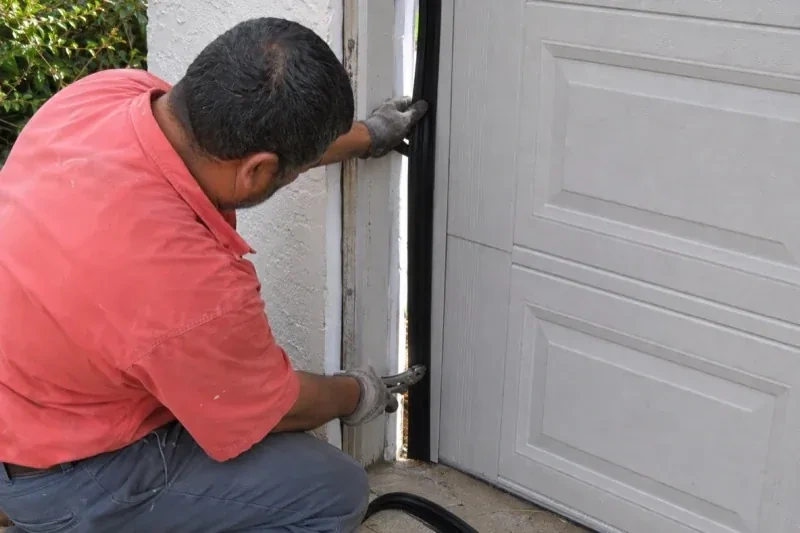
How the visit goesEvery time the door closes there is a rubbing squeal along one side, and the flexible fin has folded under itself and torn. Someone painted the trim last summer and painted the seal with it; now it is stiff as a board.
Garage Door Perimeter Weatherstrip
How the visit goes
Probing the jambs and header
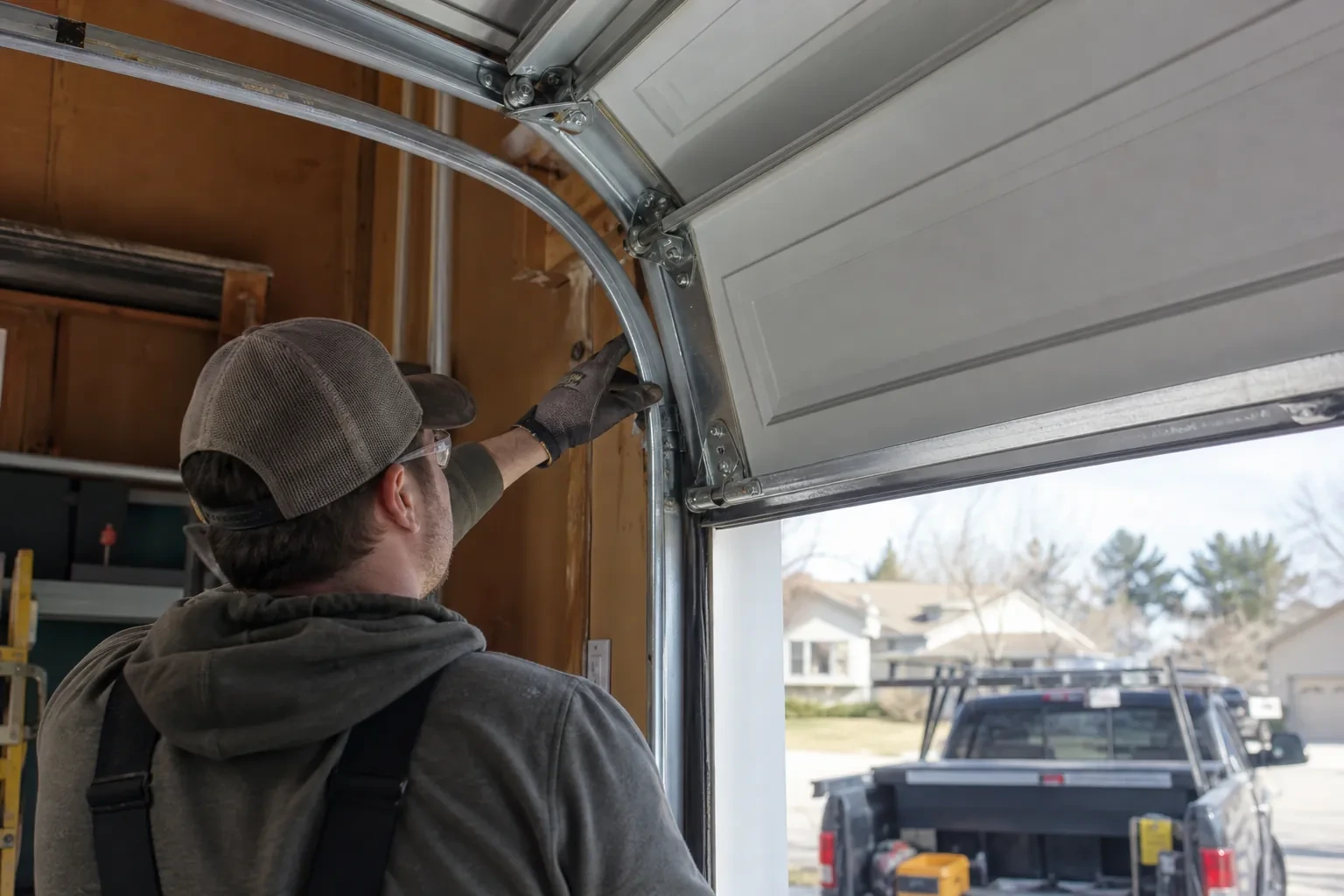
The strip is only as secure as the wood behind it, so the jambs are probed with an awl along their length and especially the lowest part, where slush and salt sit all winter. Soft, dark or crumbling wood is marked for repair. The header is checked for sag and for gaps opening between it and the top section. Where the jambs are clad in aluminum or vinyl, the technician looks for what the cladding hides and for where the seal can be fastened through to solid material. This step often adds a splice of new lumber or PVC trim to the job, and it is what makes the new seal stay put.
Fastening that lasts through the seasons
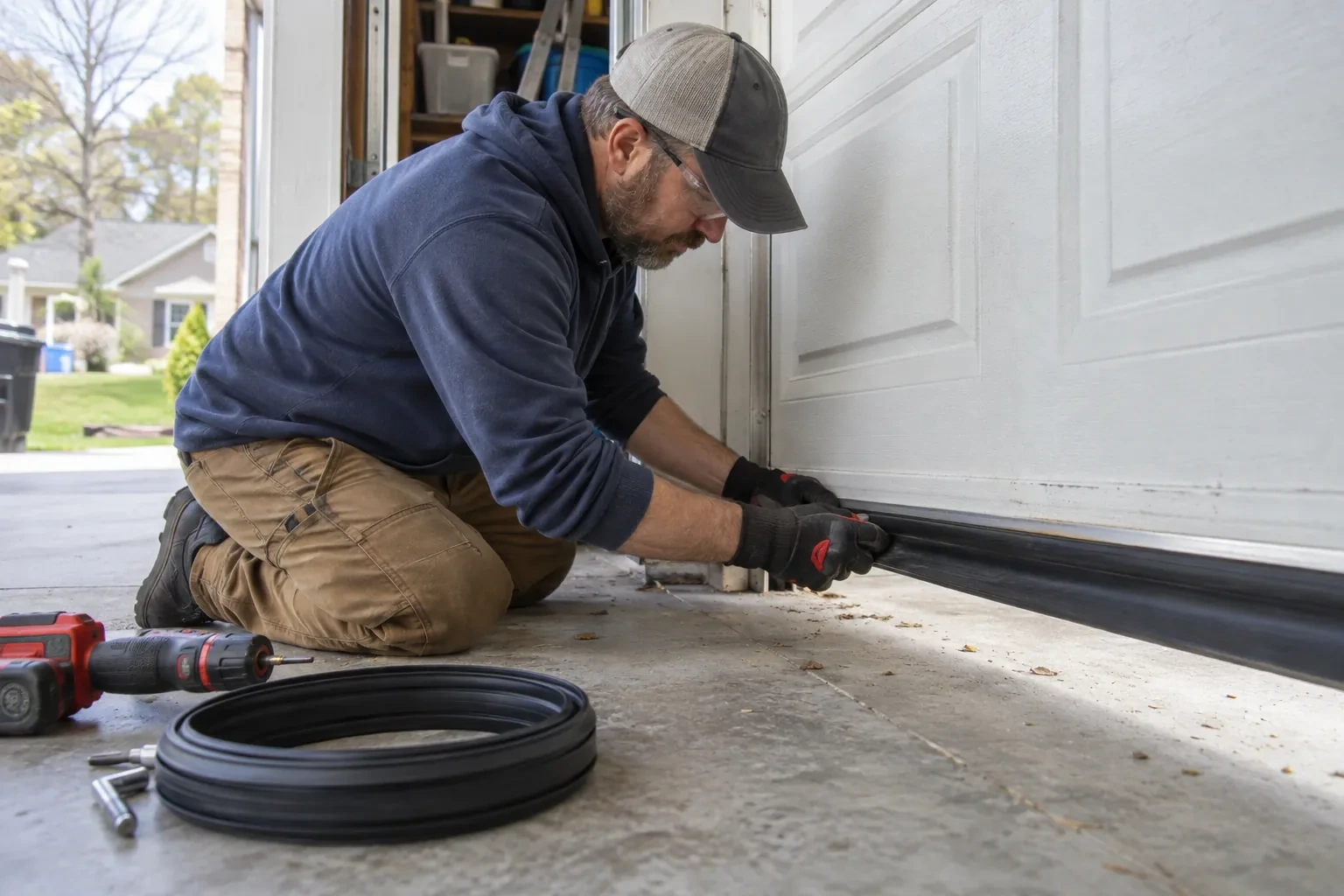
Fasteners are chosen for the weather they will live in: galvanized or stainless trim nails, exterior screws where the stop is heavy or the wood is hard, and weatherproof staples only for a light fin on sound wood. They are spaced evenly so the strip stays straight between them, and a nail set is used so the heads sit flush without crushing the vinyl. In cold weather the lengths are kept warm in the van until the moment they are fitted, because cold vinyl is brittle and splits at the ends. Fasteners near the end of each piece go in a little further back for the same reason.
If the door changes, the seal is re-checked
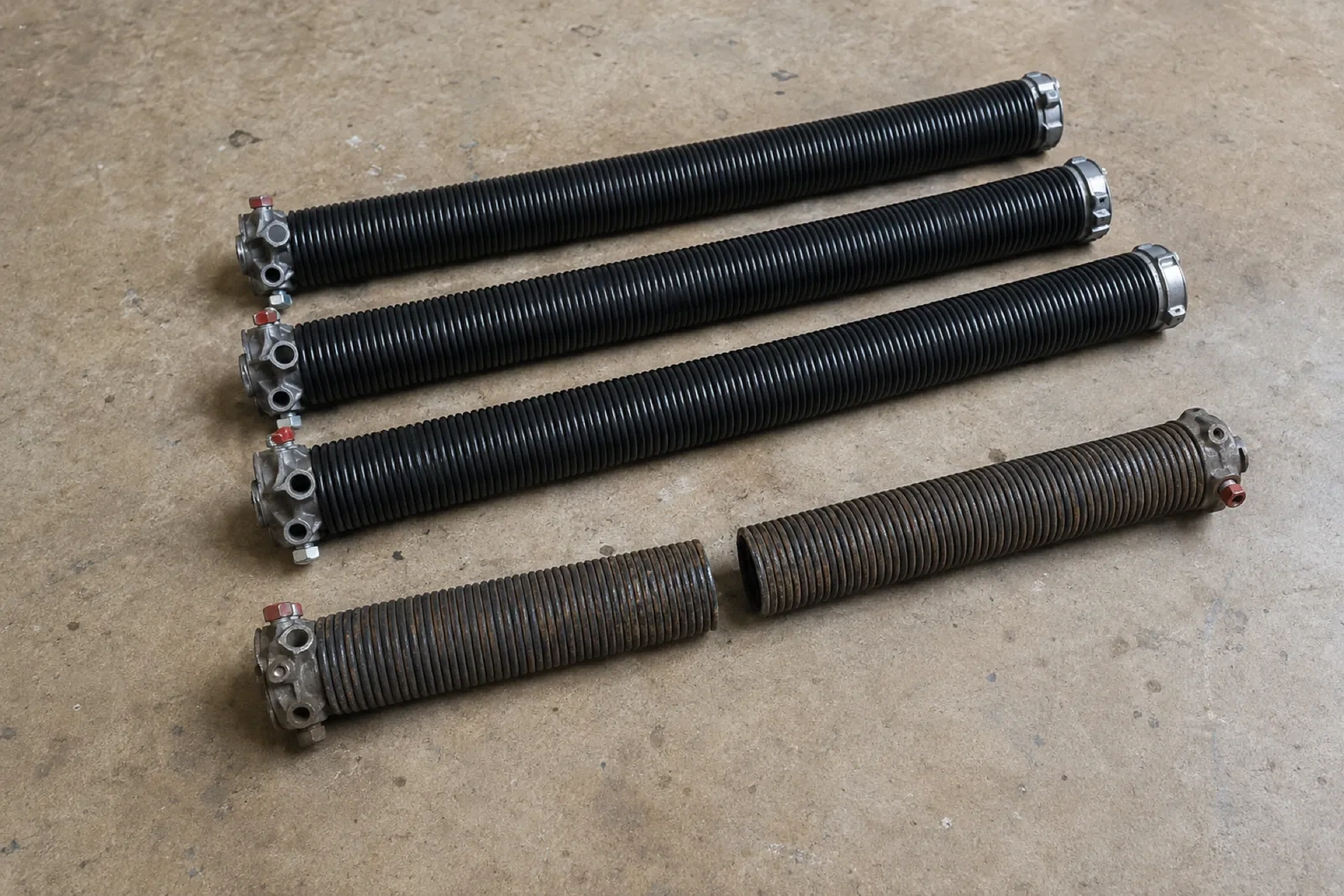
The seal was set against the door as it sits today. If the door is later adjusted, has its springs or rollers replaced, or is swapped for a new one, the contact can change: a door that now sits a few millimetres further out presses the fin harder, and one that sits further in leaves a gap. After any such work, do the daylight test again and ask the technician doing that job to check the perimeter seal while they are there. Re-setting a length is a small task and keeps the two parts of the system working together.
Garage Door Perimeter Weatherstrip
In the van
Utility knife and mitre saw
Exterior screws and weatherproof staples
Epoxy consolidant and exterior primer
Aluminum retainer and rubber insert
Exterior caulking and gun
Garage Door Perimeter Weatherstrip
What affects the quote
Corner detailing
Mitred corners on a one-piece stop, or fitting round an unusual trim profile, take more cutting and fitting than butted corners on a plain jamb.
Fin on the existing stop or a one-piece vinyl stop
Nailing a new fin to a sound wood stop uses less material than replacing the stop with a one-piece vinyl moulding, which costs more as a part but needs no paint and does not rot.
Trim, brickmould and caulking
Re-caulking the joint between stop and trim, or dressing capping that channels water down the jamb, is small work done while the surface is bare and is listed on its own line.
What to have ready
- Is the wood around the opening soft or rotten near the floor?
- Is the existing seal a flexible strip on a wood stop, or a one-piece vinyl moulding?
- Is it a single or double door, and roughly how wide and tall?
Garage Door Perimeter Weatherstrip: questions
QuestionsWhat should I do before the technician arrives?
Move the car out of the garage or well back from the door, and clear anything stored against the jambs inside and any bins, planters or snow piled against them outside. Leave the door closed so the gaps can be seen as they are. If you have noticed where the daylight, drafts or snow come in, or where the mice appear, be ready to point it out.
How do I stop the seal freezing to the door in an ice storm?
Wipe the fin with a silicone spray or a silicone lubricant on a cloth in late autumn and once or twice through the winter. The film cuts the odds of meltwater bonding the fin to the cold door face, though a hard freeze can still catch it. Avoid oil-based products, which soften vinyl. If the door does freeze to the seal, let the sun or a little warm water free it, dry the spot afterwards, and avoid forcing the opener.
Can I paint the new seal to match my trim?
Paint the rigid parts only. A wood stop can be painted before the fin is fitted or with the fin masked, and a vinyl stop needs no paint at all. The flexible fin is left bare, because paint fills it and stiffens it, and a stiff fin cracks well before its time once cold weather sets in. Seals come in a range of colours so the fin can match the trim without a brush.