Garage Doors in Phelpston, OntarioWorkshop doorsthat earn their keep.
Plenty of garages in Phelpston are workshops first and parking second. Dust, sawdust and frequent openings are hard on rollers and photo-eyes, so we fit sealed bearings, protect the sensors, and set the opener for the extra cycles, so the door keeps pace with whatever you are building inside. The same crew covers Crossland and Fergusonvale.
Plenty of garages in Phelpston are workshops first and parking second. Dust, sawdust and frequent openings are hard on rollers and photo-eyes, so we fit sealed bearings, protect the sensors, and set the opener for the extra cycles, so the door keeps pace with whatever you are building inside. The same crew covers Crossland and Fergusonvale.
Explained before, tested after.
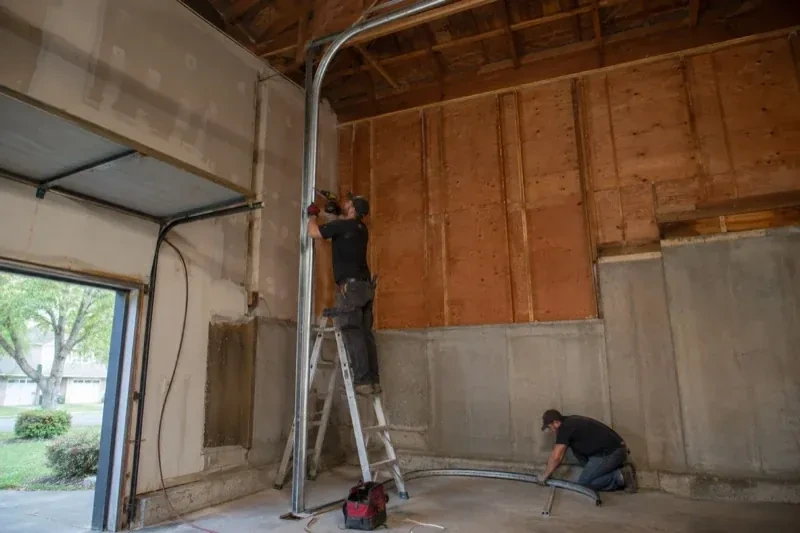
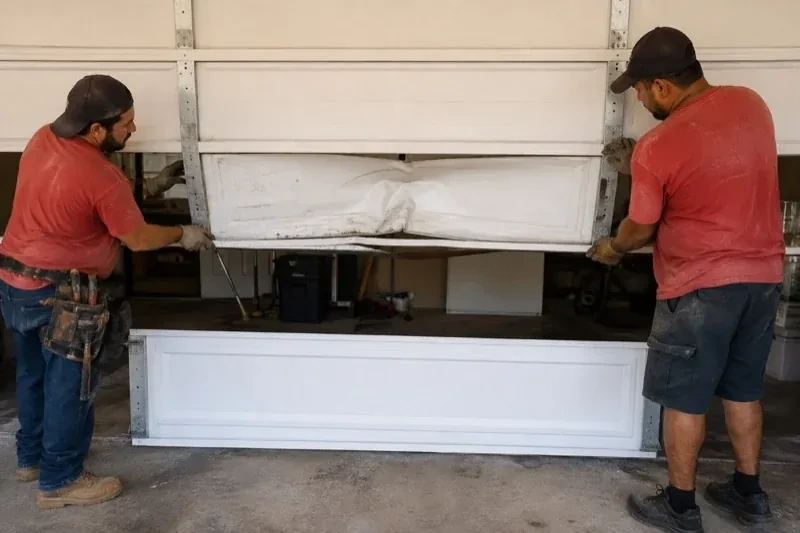
A new door for a home in Phelpston is planned with more time than a repair. We measure the opening and headroom, talk through insulation, windows, colour and panel style, show samples at the house, and install the door and its hardware plumb, level and balanced so it looks and runs right from the first day.
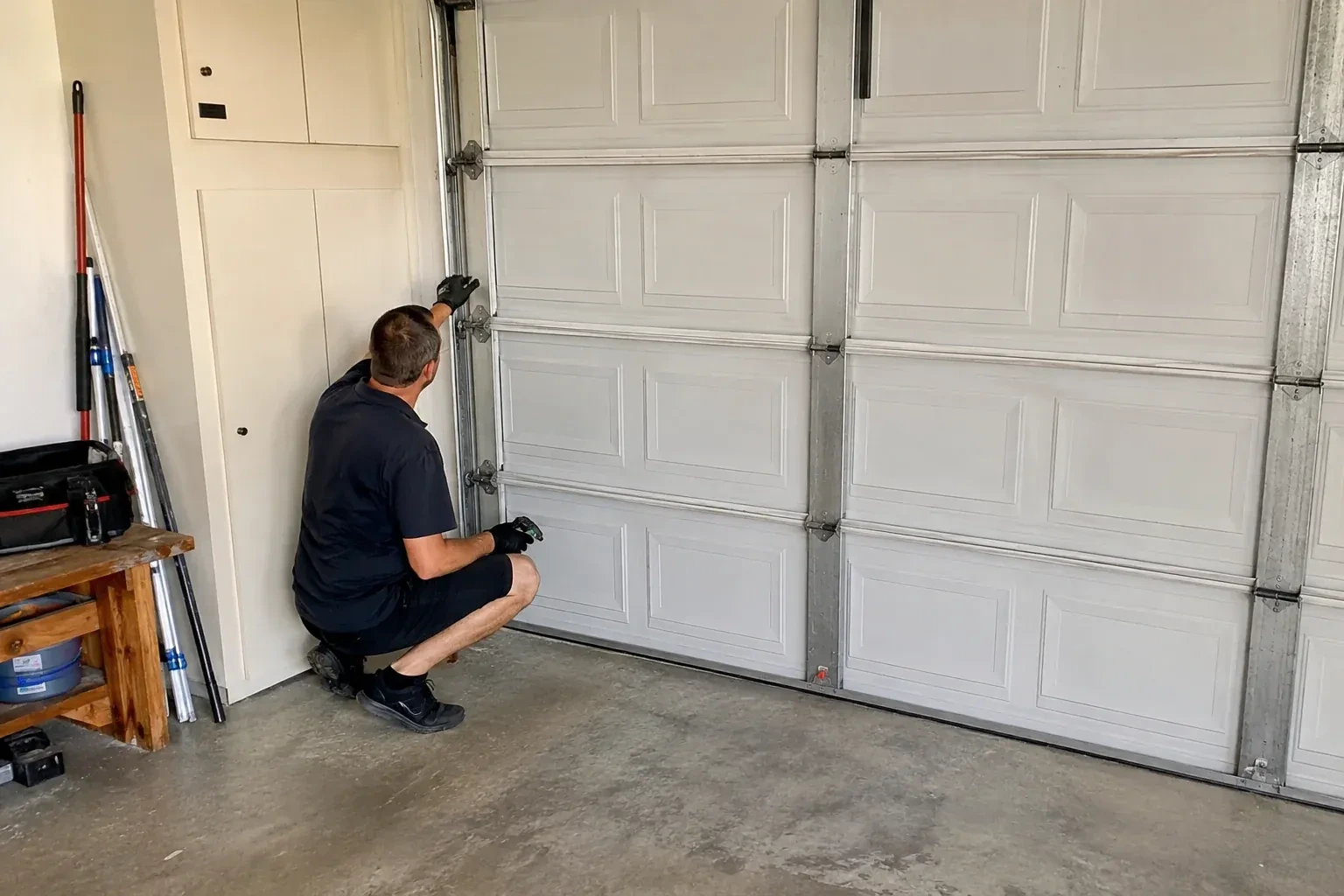
Many of the houses in Phelpston have garage doors that are decades old, adjusted and patched over the years by more than one pair of hands. We work with that history rather than against it, bringing the door back into balance, replacing what is worn and being honest when a new door would serve the household better. Every visit ends with a full test and a clear explanation.
13years in business
24/7open every day
Nothing hidden. Every part we replace, you can see. Every adjustment, we explain. If we find something unexpected, we stop and tell you before continuing.
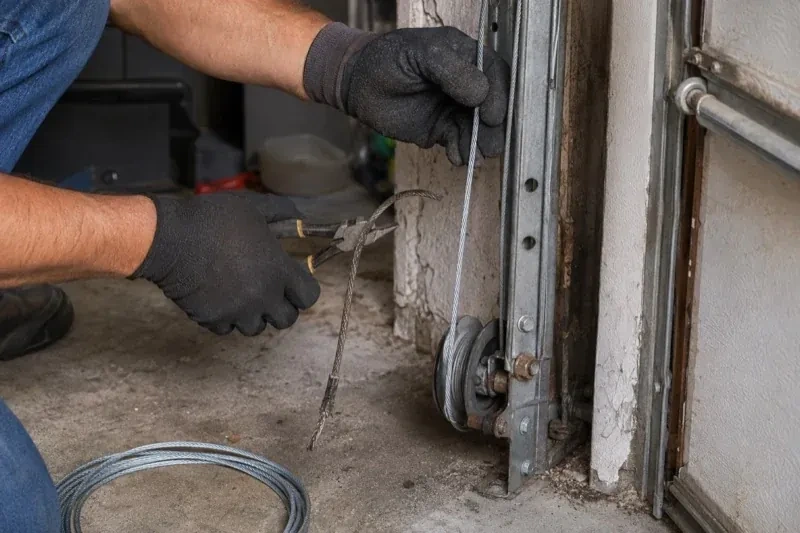
Care with heavy parts. Springs and cables are handled with the right tools and a steady method, and the door is secured before any tension is released.
Clear about what comes next. Before we leave, you know what was done, what to watch for, and when the door might want attention again.
Book a spring, cable or opener repair in Phelpston.
Broken spring, snapped cable, door off the track, opener humming but not lifting, remote lost, seal cracked, panel dented, door too loud for the bedroom above: those are the calls we take from Phelpston, and each has its own service page explaining how we handle it.
About 38% of homes in Springwater were built in 1980 or earlier, according to the 2021 Census.
A mixed housing stock means some doors are on their original openers without photo-eyes while others have modern units with apps and keypads. We handle both: upgrading the older ones for safety and quietness and adjusting or expanding the newer ones as the household grows.
Single-detached houses make up about 93% of homes in Springwater (2021 Census).
Mostly houses
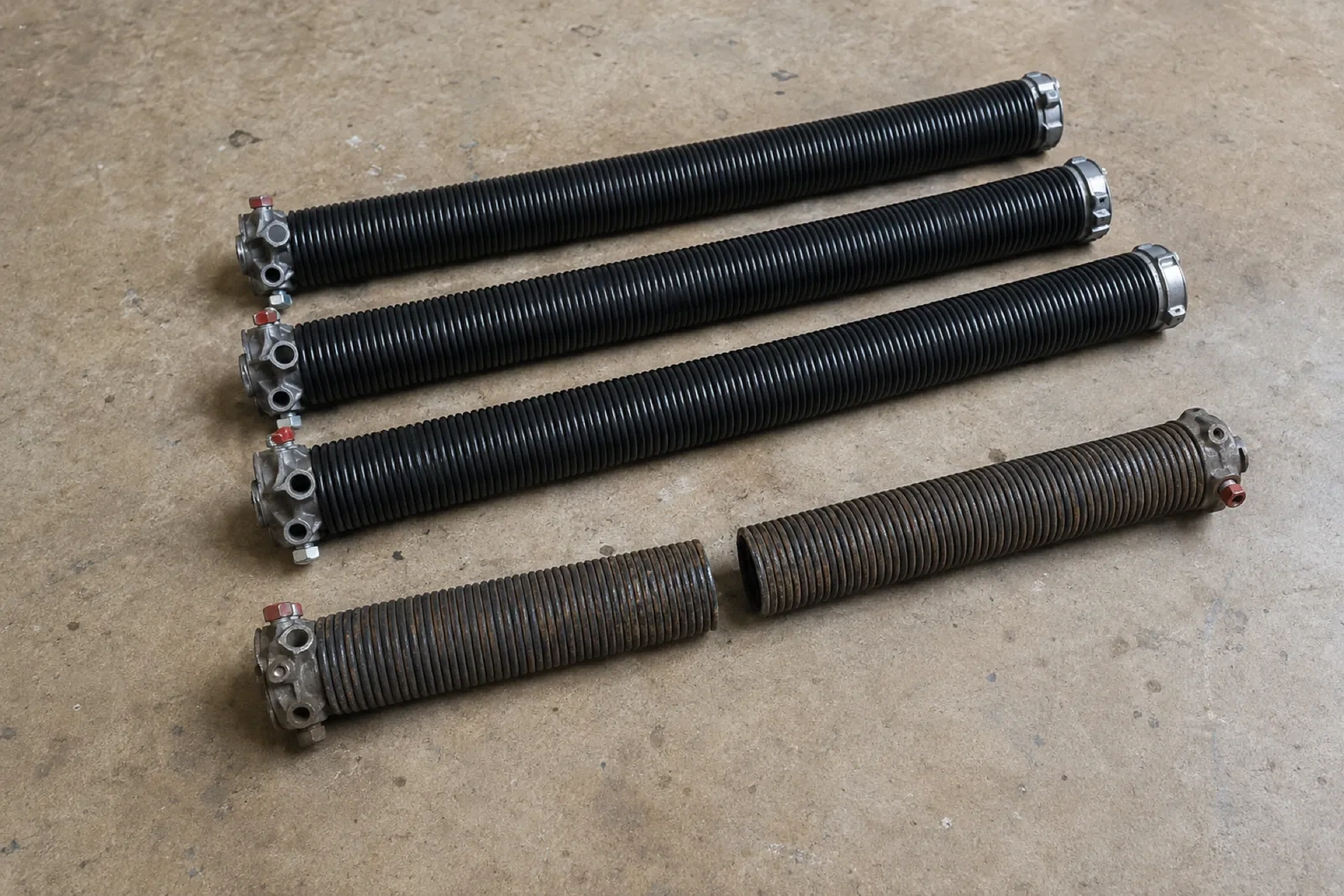
Detached houses commonly have attached two-car garages with a wide double door, which is a heavy door on a pair of torsion springs. Spring and cable work on these doors is done as a matched set so the door lifts level and the opener carries only its intended load.
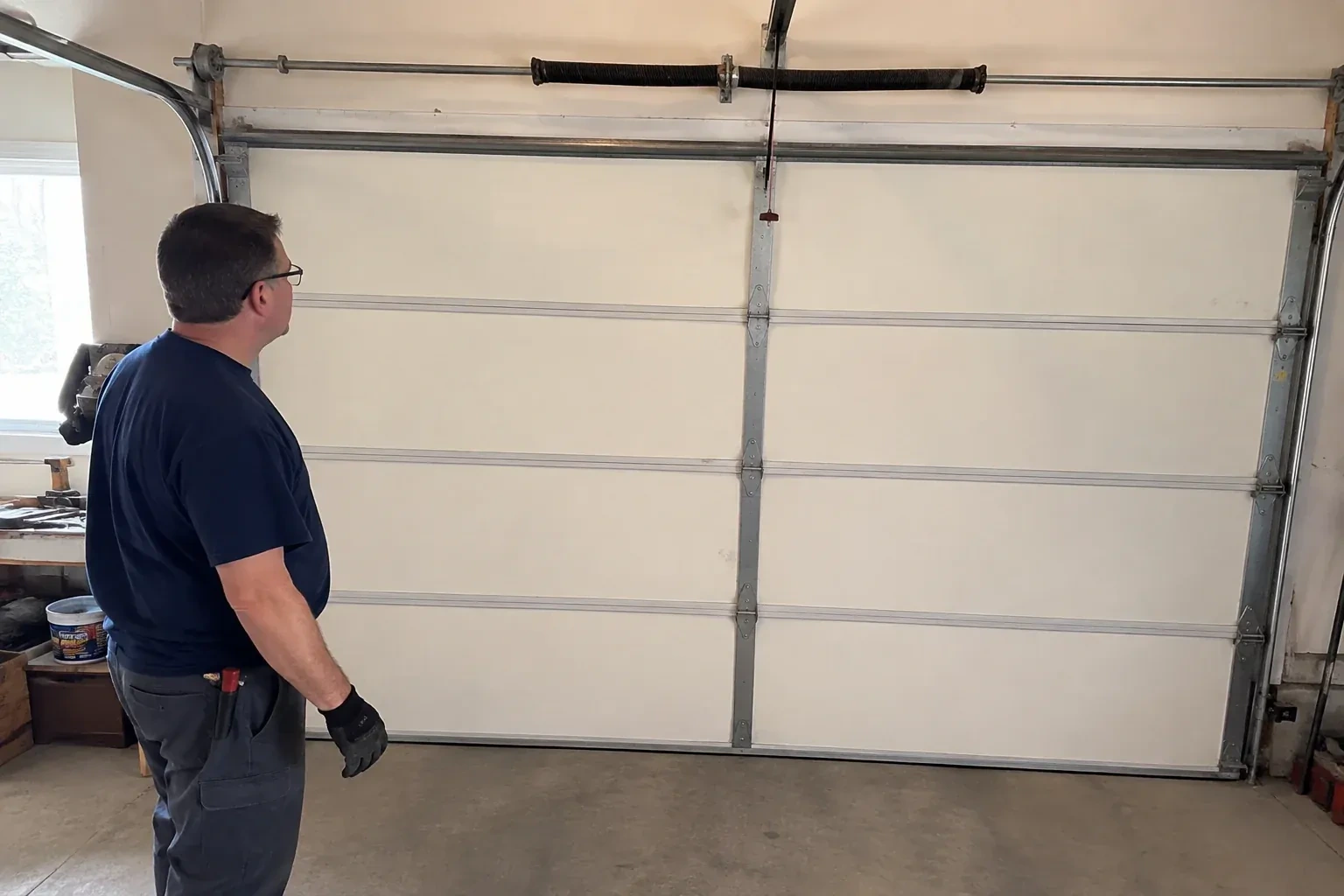
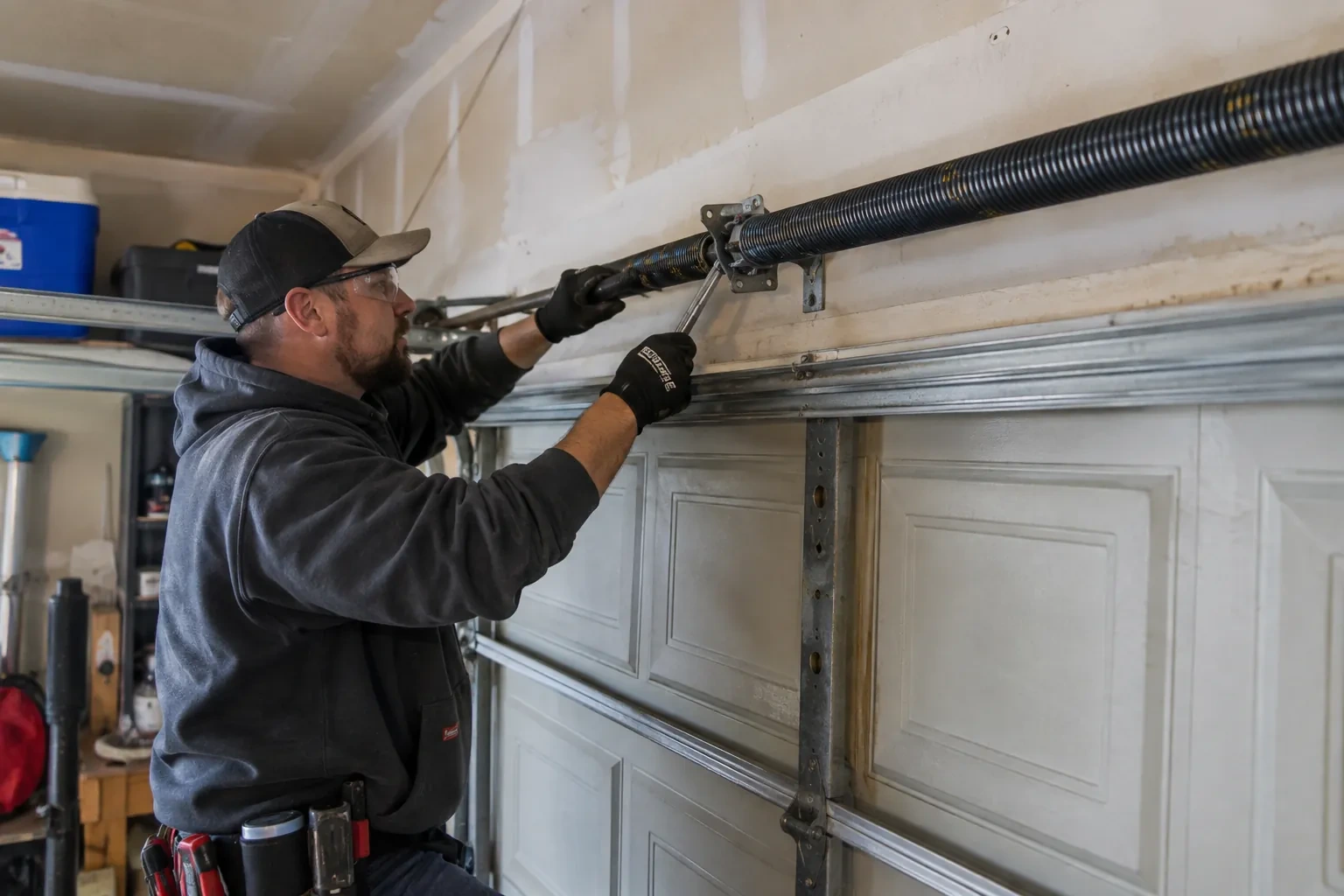
This is the heavy side of garage door work. A technician with winding bars, a set of stands and a measured approach can make a door that was dangerous to move feel light again.
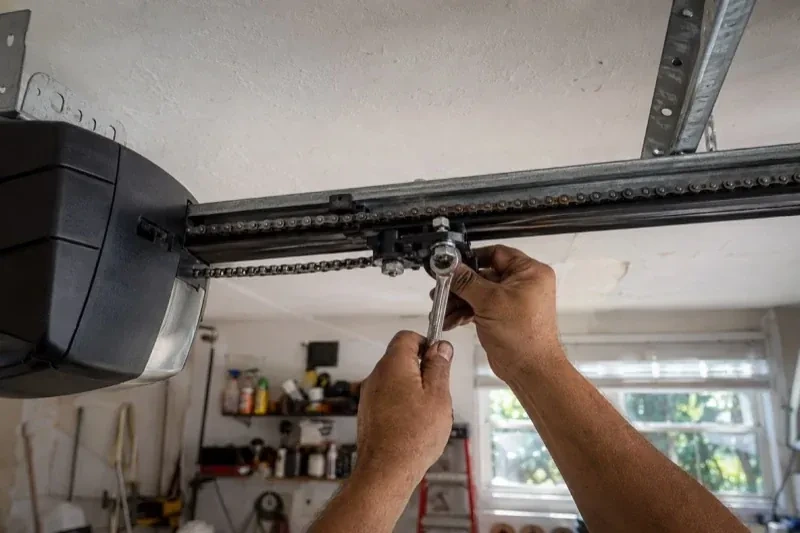
The door used to glide up with a soft hum. Now there is a sharp clack every second or so, and if you stand underneath you can see the belt sagging below the rail and slapping it on the way up.
Since the storm the door behaves oddly: it reverses halfway down for no reason, the light flickers, and the travel limits drift so it either slams or stops short. The board inside is discontinued and the last repair only bought a few months.
The door will only go down while a finger stays on the wall button; let go and it stops or reverses. From the remote it opens fine but never closes, so someone has to stand in the garage every time.
A smart hub arrived in the mail with a coin-cell sensor and two wires. The instructions ask what colour your learn button is and how old the opener is.
Since the new door went in, the red handle has hung just below the ceiling, a stepladder's height above anyone in the household. During last week's blackout your daughter stood under it with a broom, unable to hook it down.
Which fix fits?
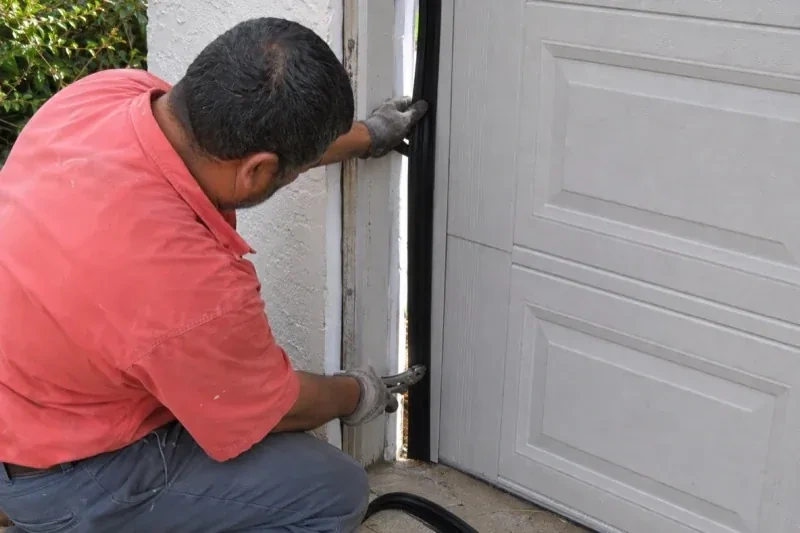
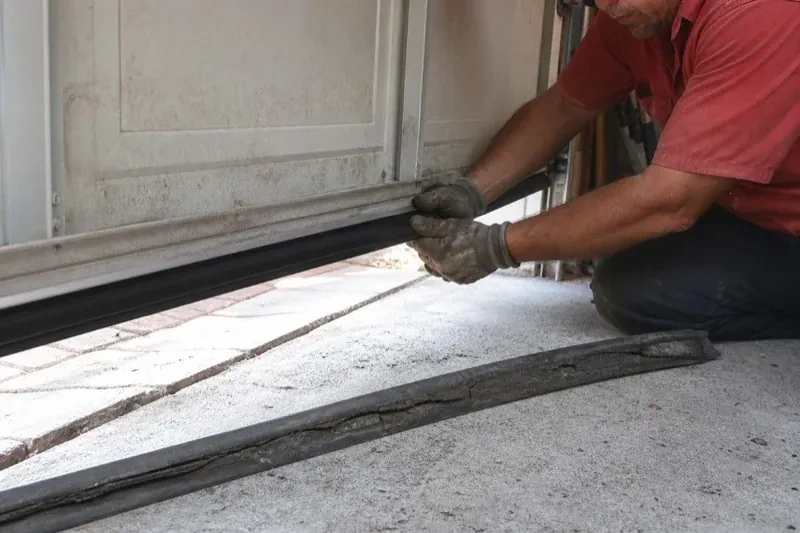
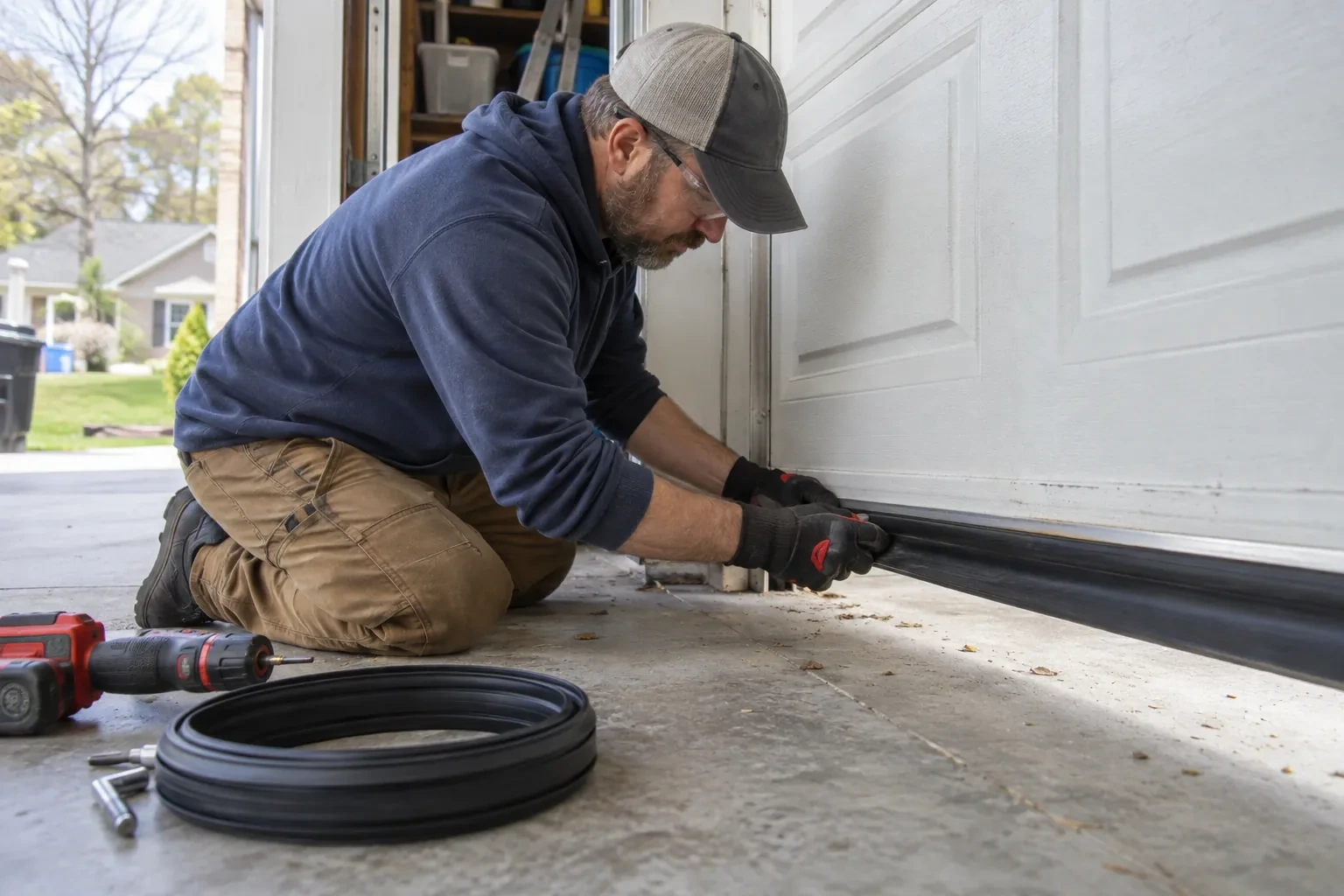
Every time the door closes there is a rubbing squeal along one side, and the flexible fin has folded under itself and torn.
WhyWhat you get back is a door that runs its full height without a catch, hesitation or bang, with every roller seated in its channel and both sides rising together.
The opener groans on the way up and the door slams the last foot on the way down, hard enough to rattle the windows.
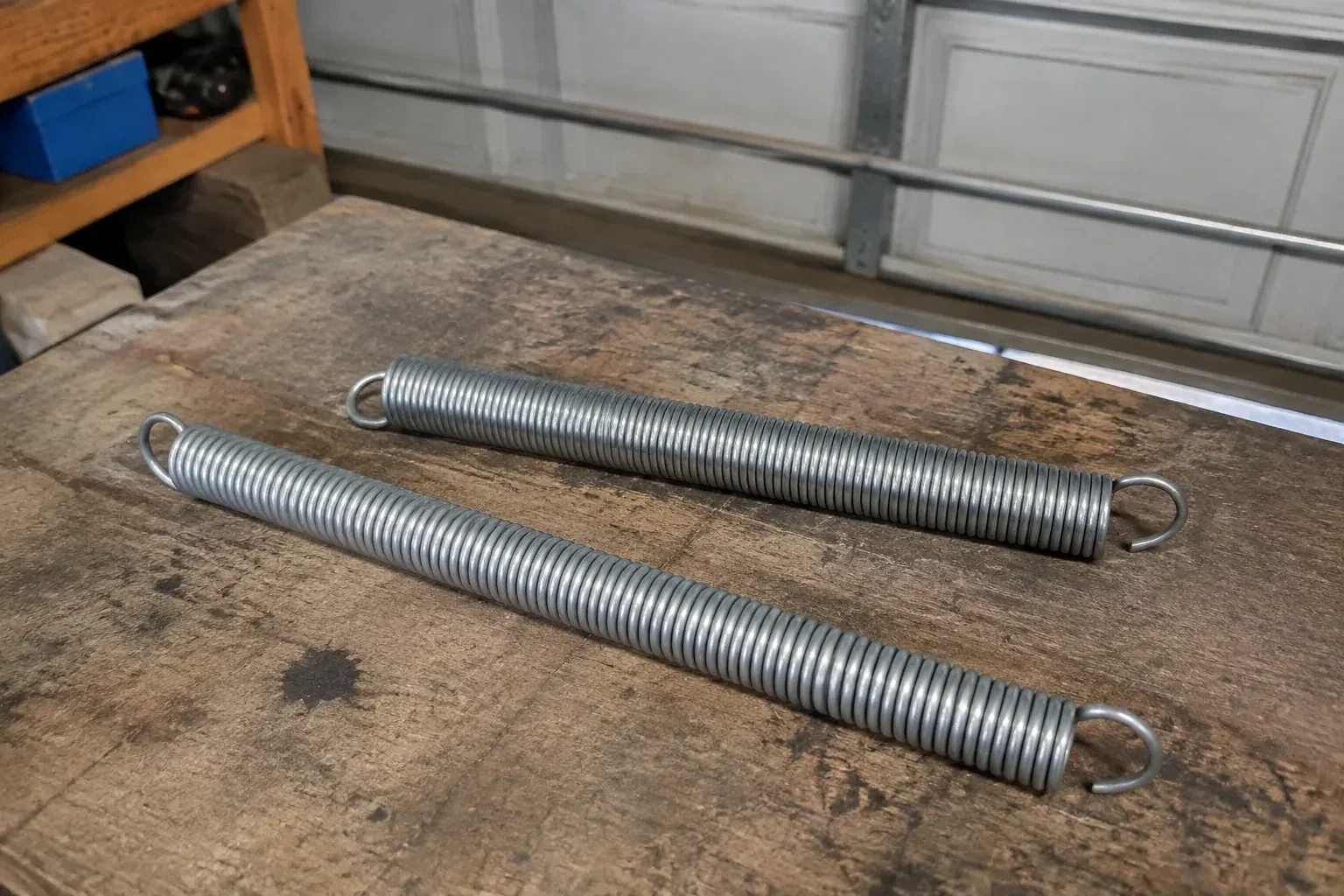
WhyExtension springs are common on the detached garages behind older houses, where a low ceiling left no room for a torsion shaft, and those garages are rarely heated.
Since the new insulated panels went in, the door feels like a different animal.
WhyMost openers built in the last fifteen years report their own trouble.
Since the storm the door behaves oddly: it reverses halfway down for no reason, the light flickers, and the travel limits drift so it either slams or stops short.
WhyHigh lift sits between standard lift and full vertical lift.
How a visit goes
Describe the property, the hardware and what has changed, and the visit starts from what you have seen.
01
We listen first
You describe what the door did and when it started. A stuck door, a bang, a remote that stopped: every detail helps us arrive with the right parts.
02
We check the whole door
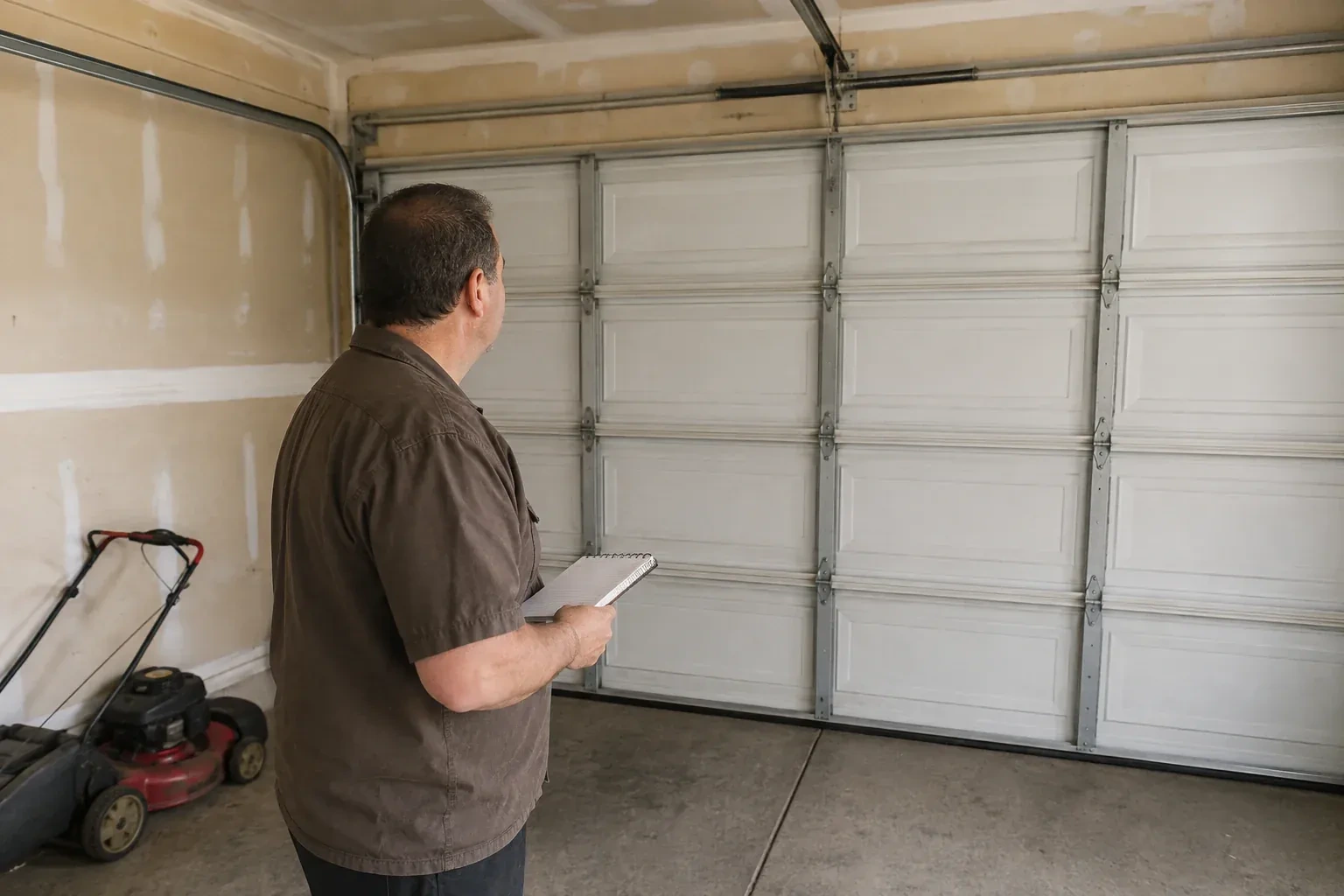
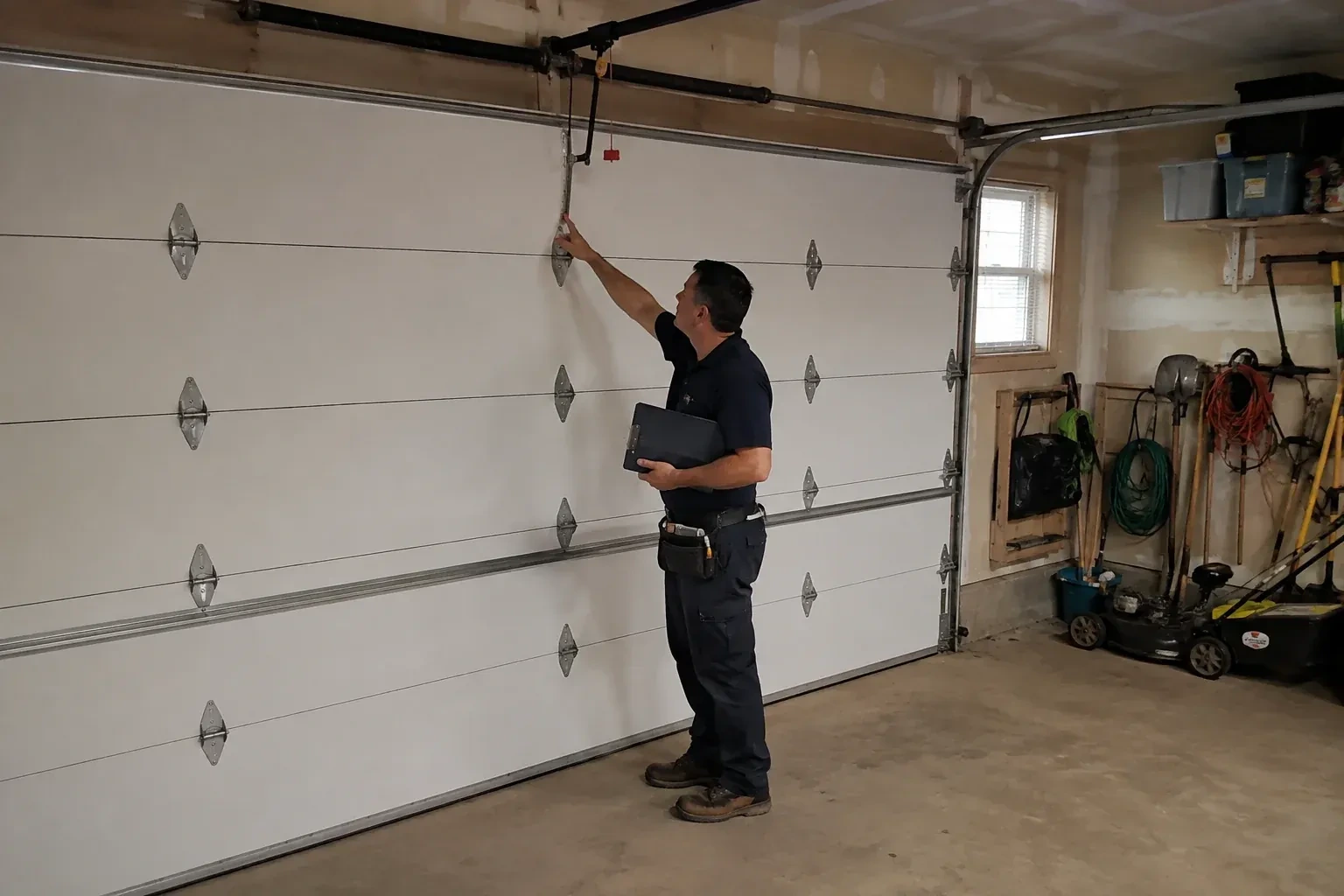
Before touching anything, the technician runs the door, watches the travel, tests balance by hand and looks at springs, cables, rollers and sensors.
03
We explain, then work
You hear what we found and what the choices are before any repair begins. Then the work is done carefully and tested through full cycles.
An entrance. Not an afterthought.
1/10Garage Door Perimeter Weatherstrip
Every time the door closes there is a rubbing squeal along one side, and the flexible fin has folded under itself and torn. Someone painted the trim last summer and painted the seal with it; now it is stiff as a board.
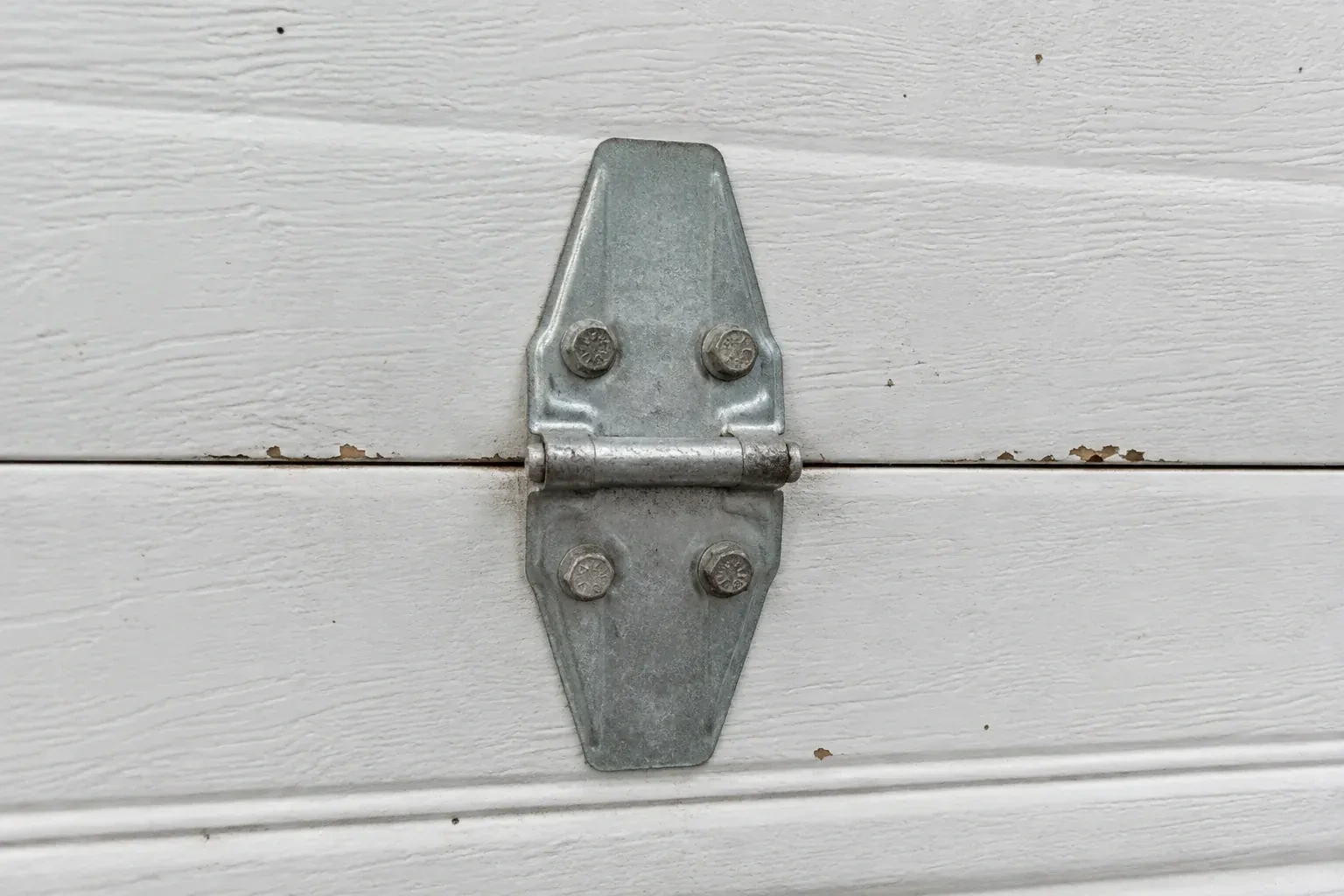
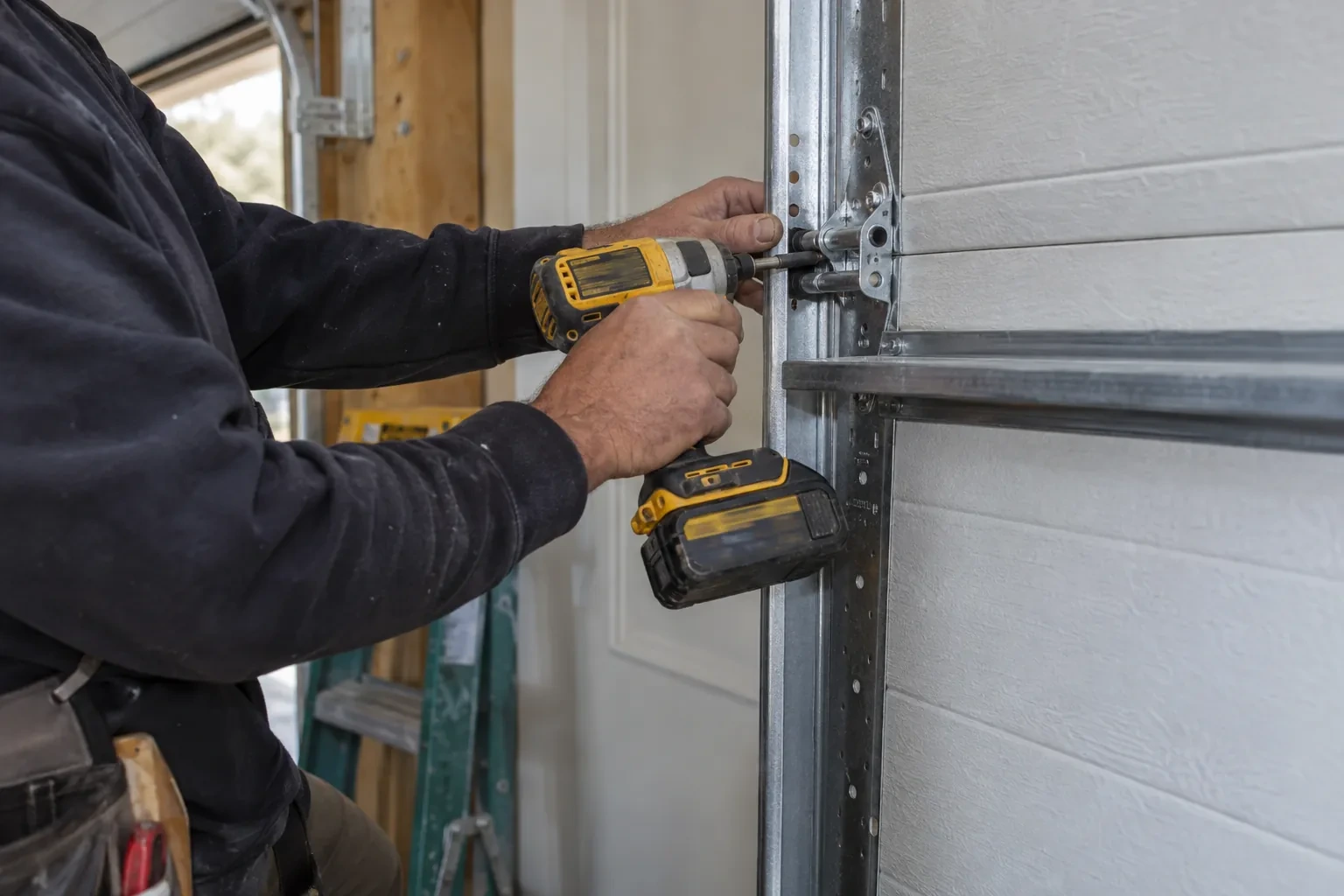
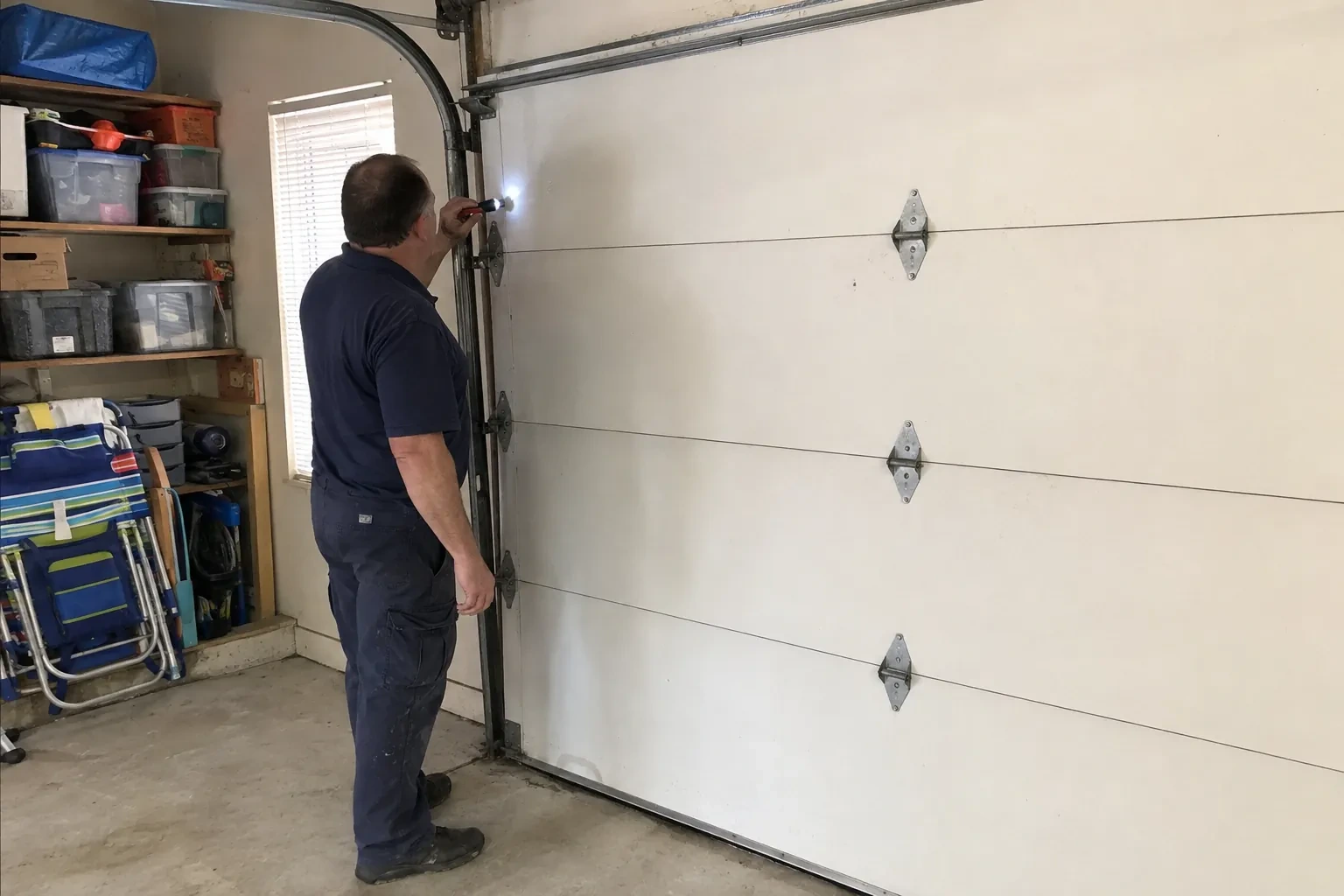
With the door closed and a flashlight on the inside face, one of the hinges near the edge has a crack running from the screw hole to the knuckle. The steel around it is brown with rust, and the pin looks loose in its barrel.
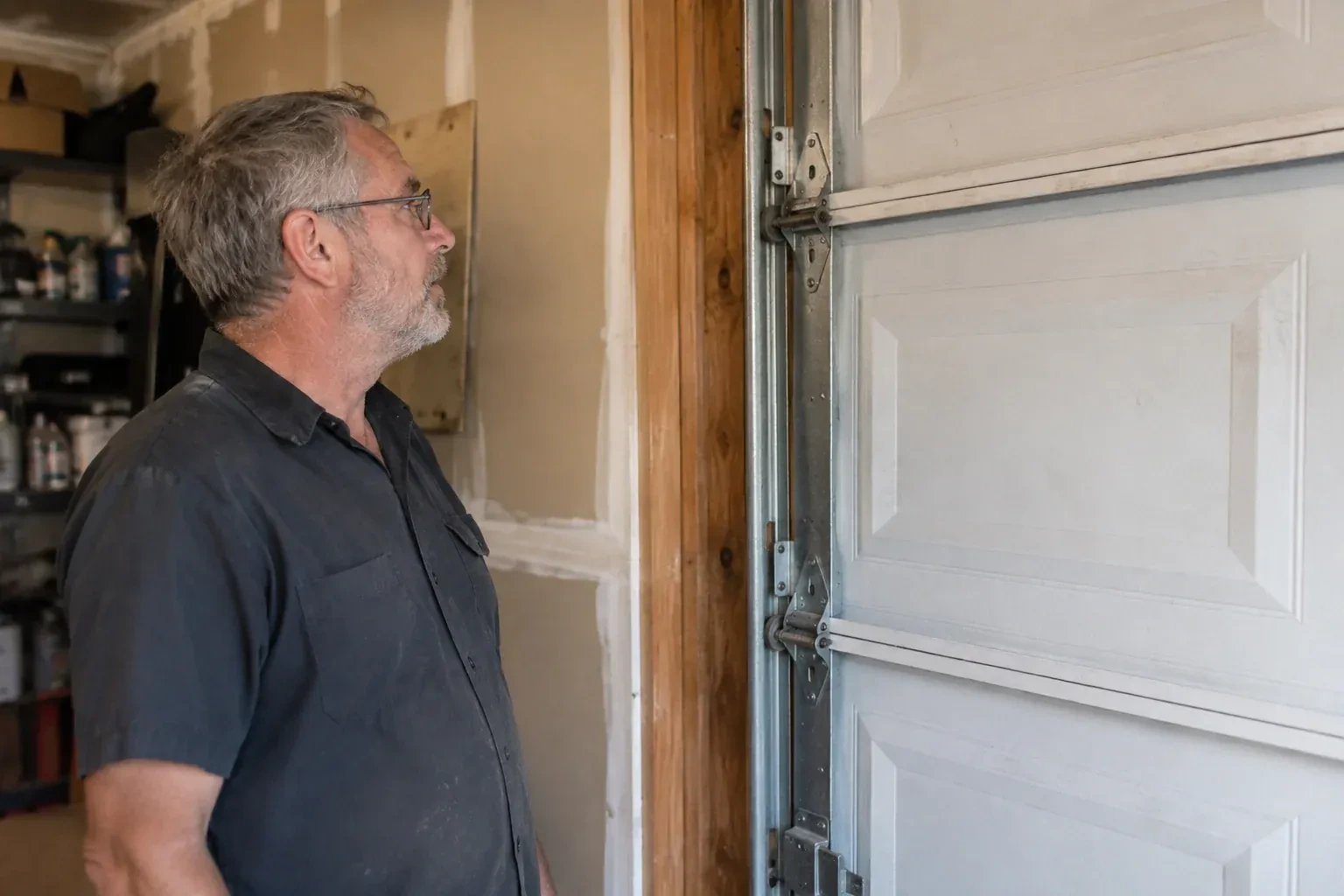
You bought the house with a door that sticks near the top of its travel. The vertical track was screwed tight against the jamb, so the door drags along its stop moulding on every trip instead of swinging clear.
The opener groans on the way up and the door slams the last foot on the way down, hard enough to rattle the windows. The motor is the same one it always was; something in the springs has stopped doing its share.
Since the new insulated panels went in, the door feels like a different animal. It closes with a thud, the opener labours where it used to hum, and lifting it by hand takes a proper heave rather than a fingertip.
You press the remote from the driveway and hear the motor hum overhead, a steady drone with no movement behind it. The door stays shut. Press again and the hum returns, then quits, as if the machine is trying and cannot get a grip on anything.
Since the storm the door behaves oddly: it reverses halfway down for no reason, the light flickers, and the travel limits drift so it either slams or stops short. The board inside is discontinued and the last repair only bought a few months.
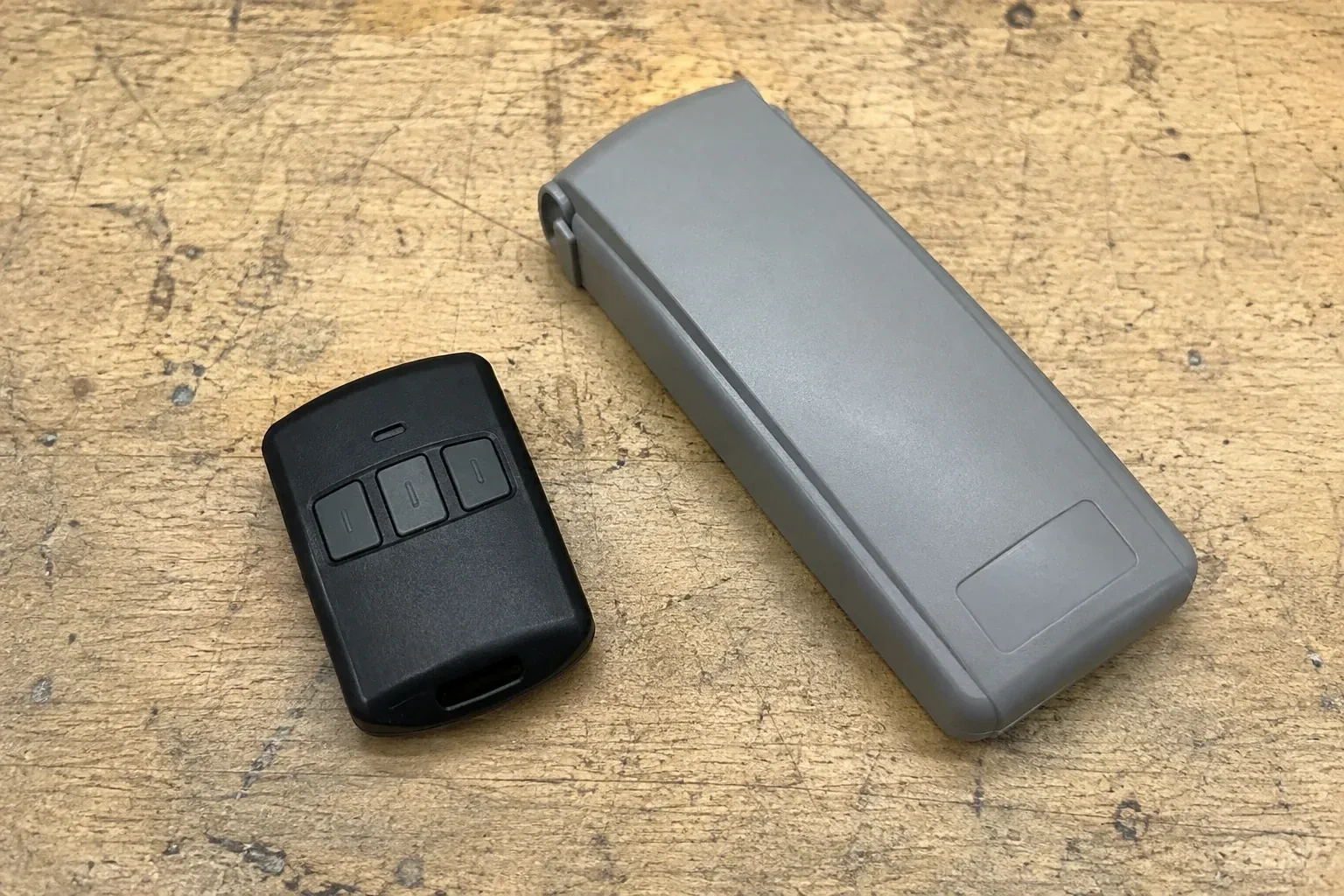
The new car has three buttons in the mirror for garage doors. You held the old remote up to it as the manual said, the light in the car changed, and yet the door ignores it completely. The handheld remote works fine.
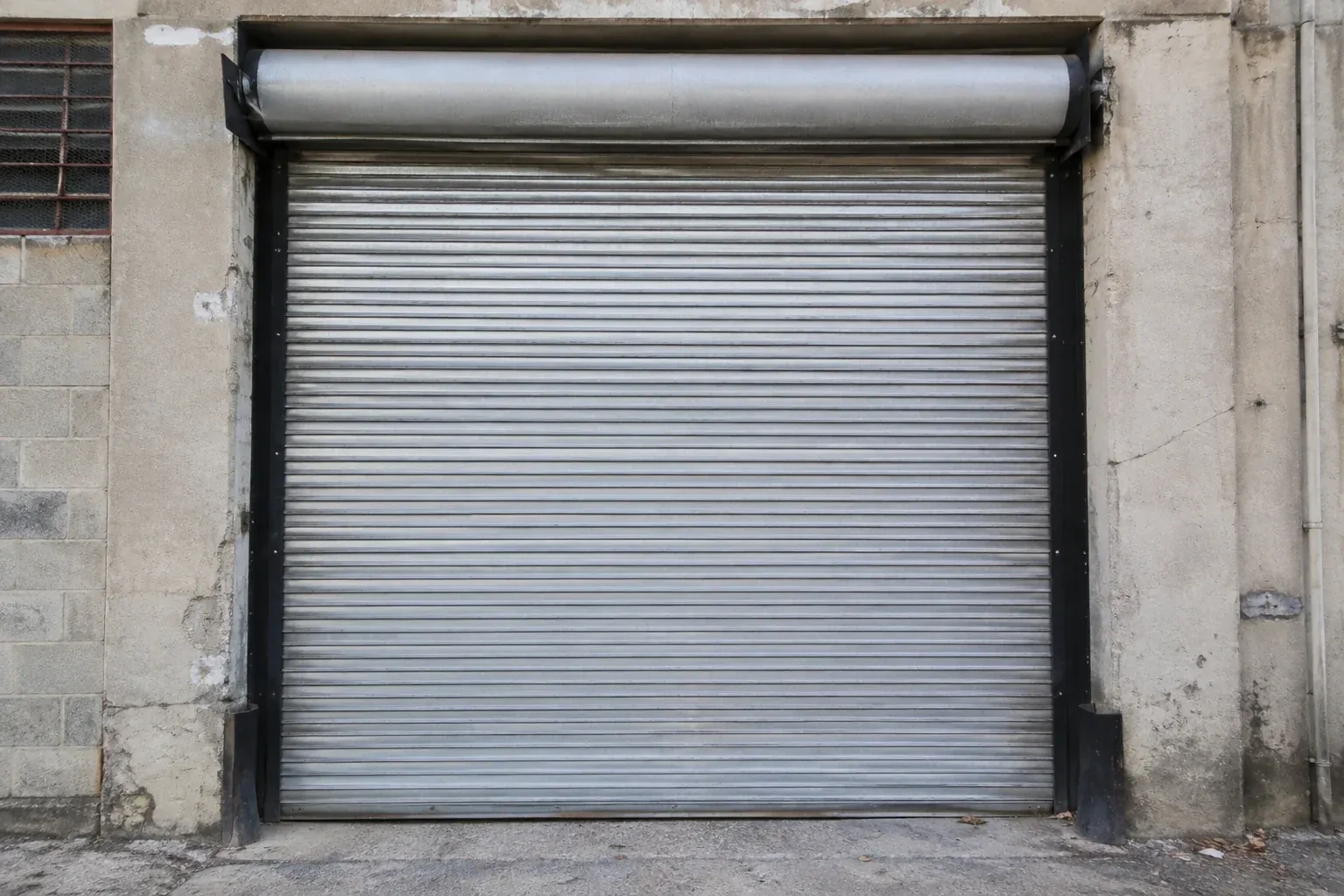
A lift truck clipped the lower curtain during unloading. Now two slats are bowed, an endlock catches halfway up, and each attempt to cycle the door pulls the damaged section farther toward one guide.
Your new vehicle lift fits the floor plan, but the open garage door crosses the space above it. The ceiling is high enough; the standard track simply turns too soon and leaves the panels hanging over the raised vehicle.
How do I stop the seal freezing to the door in an ice storm?
Wipe the fin with a silicone spray or a silicone lubricant on a cloth in late autumn and once or twice through the winter. The film cuts the odds of meltwater bonding the fin to the cold door face, though a hard freeze can still catch it. Avoid oil-based products, which soften vinyl. If the door does freeze to the seal, let the sun or a little warm water free it, dry the spot afterwards, and avoid forcing the opener.
Do the rollers get replaced with the hinges?
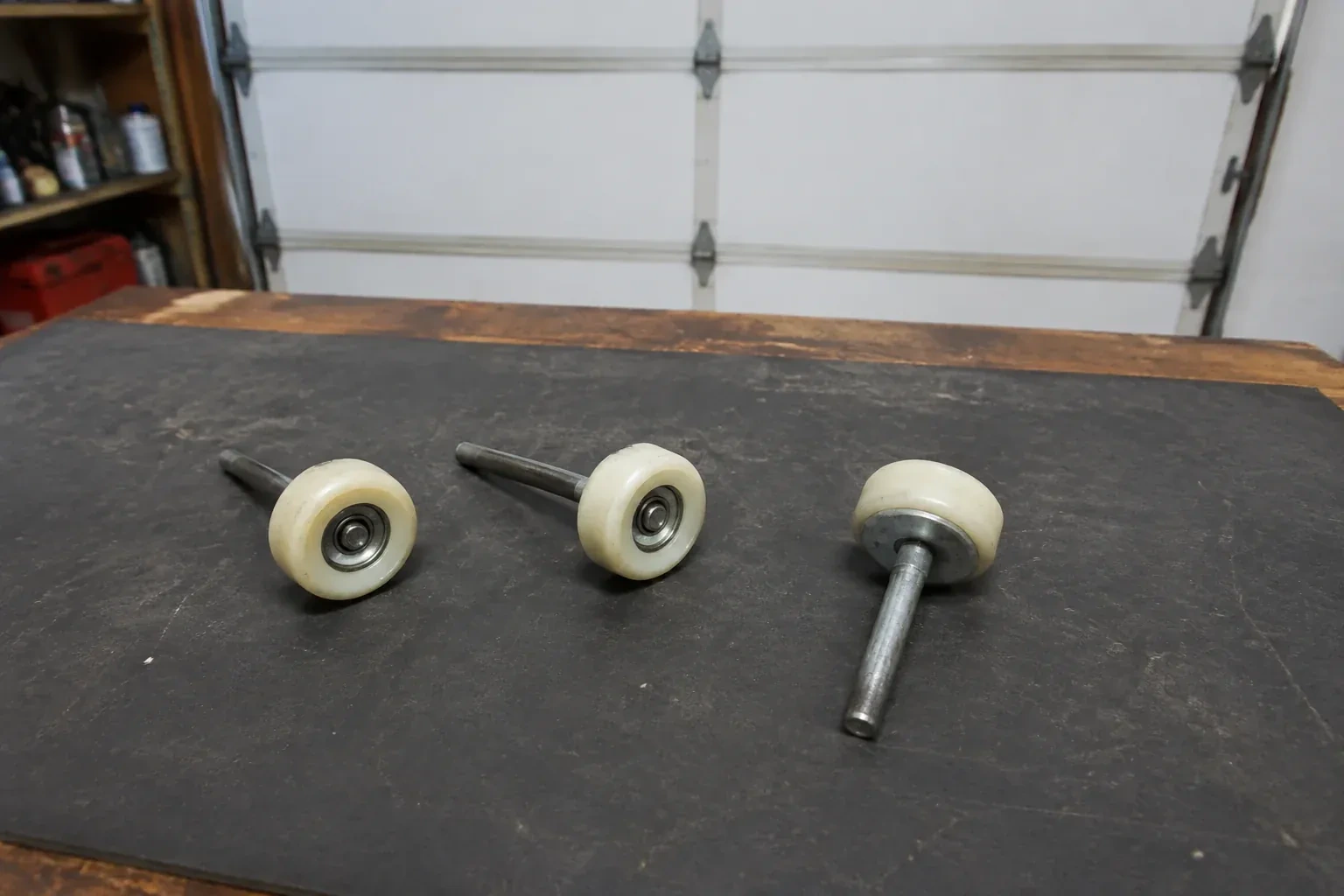
They are checked every time and replaced when they need it. The roller stem sits in a tube on the edge hinge, so when that hinge comes off the roller is already in hand, and fitting a new one adds a minute. A wheel that is cracked, flat-spotted or grinding on its bearing is the sort of thing that strained the hinge, so leaving it would ask the new hinge to carry the same load.
My door rubs the frame on one side. Is that a track problem?
Often, yes. The vertical track is meant to stand a fraction further from the jamb at the top than the bottom, so the closed door seals on its stop and swings clear as it rises. If a bracket has loosened or the track was set flat to the wood, the door drags along the stop moulding every trip. Resetting the spacing and taper, and tightening the brackets into sound wood, usually ends the rub.
What is a safety cable, and does my door need one?
A safety or containment cable is threaded down the inside of each extension spring and fixed at the hanger behind and the bracket in front. It carries no load in normal use. If a spring snaps, the cable keeps the broken halves in place beside the track. Every extension-spring door should have one each side, and the industry's inspection checklist asks for it. Doors installed decades ago often have none; they are added with the new springs.
Is this something I can do myself?
The hand test, yes, and it is a good habit. The adjustment itself is a job for a trained technician, because the springs, cables, drums and bottom brackets are under high tension whenever the door is closed, and the industry's own guidance reserves any change to them for someone with the right bars, clamps and method. Leaving that part to the visit keeps the whole thing uneventful.
The wall button works but none of my remotes do. What happened?
Three things account for most of these. The wall control has been put into lock mode, sometimes by a child or a visitor, which blocks all remotes until it is released. The opener's memory was cleared, usually by someone pressing the learn button while trying to program a new remote, so every remote needs programming again. Or the receiver in the head unit has failed. The first two are simple settings; the third is a part.
The door is frozen to the floor. Why does the opener reverse?
Because the operator is protecting the door. Its force setting is tuned to the small effort a balanced door needs, so a seal glued to the concrete by ice registers as an obstruction and the door heads back up rather than ripping the rubber or bowing the top panel. Loosen the seal with a plastic scraper or a hair dryer along the sill, then try again; a shovelled threshold before a cold night keeps it from recurring.
Can I give a visitor or cleaner a code that stops working?
Many keypads allow a temporary code alongside your main one. It can be set to expire after a chosen number of hours, up to several days, or after a set number of openings. Once expired it no longer opens the door, though on some models it can still close it. That suits a cleaner, a trade or a house-sitter better than sharing the main code, and it can be set again whenever needed.
How is a rolling fire door repair different?
A labelled fire door is a closure in a fire separation, so labels, listed construction, compatible components, release hardware, clear closing path and required records shape the work. Routine operating repair and specialised fire-door inspection or release testing are defined explicitly. Substitutions are based on assembly information rather than appearance or approximate fit.
Is structural work always included in the conversion?
Door hardware needs suitable attachment points, but framing changes are defined separately when required. The assessment records jambs, header, ceiling support and back-hang locations, then identifies any condition needing input from the responsible building professional or another trade. A clear proposal distinguishes door-system installation from structural, electrical and finish work so responsibilities are easy to coordinate.
Request a visit
A new door for a home in Phelpston is planned with more time than a repair. We measure the opening and headroom, talk through insulation, windows, colour and panel style, show samples at the house, and install the door and its hardware plumb, level and balanced so it looks and runs right from the first day.